
A fragile two-week ceasefire between the United States and Iran is already under severe strain, with Tehran accusing Washington of violating the framework of the agreement just as it takes effect. The truce, which was intended to halt 40 days of escalating US-Israeli attacks on Iran, is being further complicated by continued Israeli military operations in Lebanon, raising fears that the region may be sliding back toward a wider war.
The agreement, announced on Tuesday, April 7, 2026, came less than two hours before a deadline set by US President Donald Trump, who had previously threatened to “wipe out a ‘whole civilization'” if a deal was not reached according to CNN. Whereas the ceasefire is intended as a starting point for further negotiations, the immediate aftermath has been marked by diplomatic friction and reports of continued violence in neighboring territories.
As the truce took effect on Wednesday, April 8, 2026, US Vice President JD Vance described the arrangement as a “fragile truce,” reflecting the deep mistrust between the two powers per CNN reporting. Despite President Trump characterizing the deal as a “total and complete victory,” the reality on the ground remains volatile, with Iran already labeling the current state of the ceasefire as “unreasonable” according to AP News.
A Precarious Peace: The Terms of the US-Iran Truce
The ceasefire was brokered by Pakistan, with the involvement of Pakistan’s prime minister and military chief. The primary objective of the two-week halt in hostilities was to provide a window for diplomatic negotiations and to address the critical disruption of global shipping routes. A central condition of the agreement, as announced by President Trump via Truth Social, was that Iran must agree to reopen the Strait of Hormuz, a vital maritime chokepoint through which approximately one-fifth of the world’s oil flows per CNN.
Iran reportedly put forward a 10-point proposal, which the US administration has described as a “workable basis on which to negotiate” as reported by CNN. Under the terms of the truce, Iran confirmed it would allow the resumption of shipping across the Strait of Hormuz during the two-week period to ease the soaring global oil and gas prices caused by the conflict according to Al Jazeera.
The cessation of hostilities follows 40 days of intense conflict characterized by air strikes and missile exchanges. While Israel announced it would halt its direct attacks on Iran, the scope of this halt has turn into a primary point of contention, specifically regarding Israel’s operations in other theaters of war.
The Lebanon Gap and Allegations of Breach
The stability of the ceasefire has been immediately threatened by a critical distinction in how the warring parties view the geographic scope of the truce. Israeli Prime Minister Benjamin Netanyahu explicitly stated that the US-Iran ceasefire “does not include Lebanon” per Al Jazeera. This loophole has allowed Israeli military operations to expand in Lebanon even as the truce with Iran remains nominally in place.

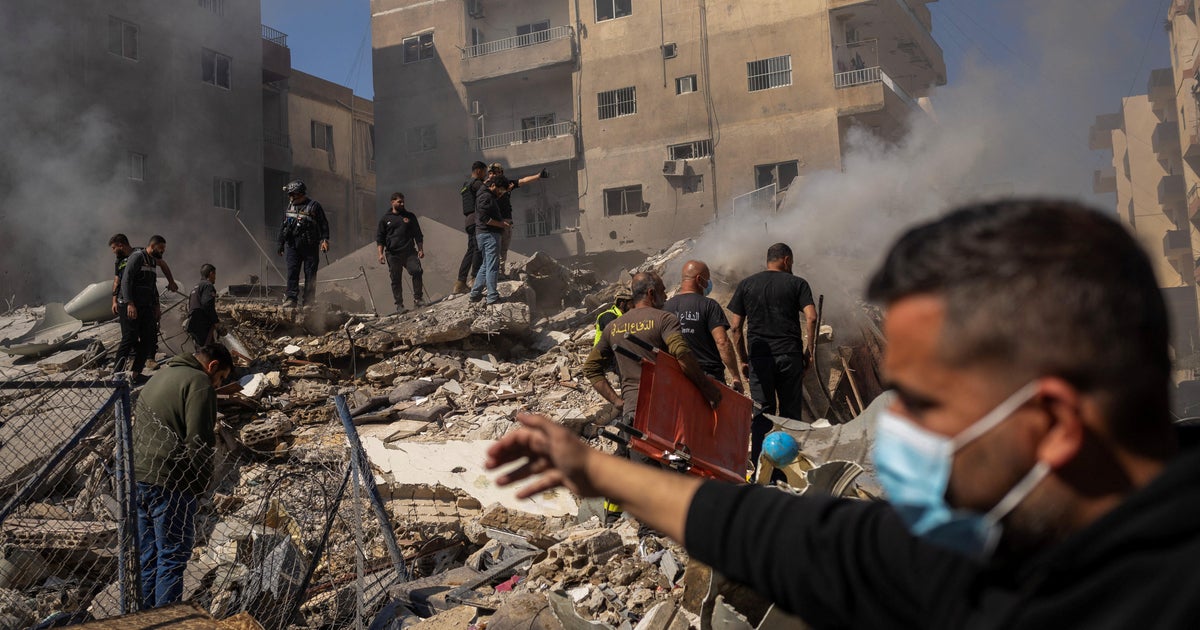
The human cost of this distinction has been severe. Reports indicate that more than 100 people were killed after Israel struck central Beirut, with the Israeli government maintaining that the Iran truce does not apply to the Lebanese front according to AP News. This escalation has led Iran to accuse the United States of violating the framework of the deal, arguing that the ceasefire is unreasonable given the ongoing violence as reported by AP News.
Adding to the volatility, reports emerged of attacks in Iran, the United Arab Emirates, and Kuwait just hours into the truce per Al Jazeera. Some updates indicate that Iran may have closed the Strait of Hormuz again, directly challenging one of the core conditions of the agreement according to AP News.
Global Economic Ripples: The Strait of Hormuz
The conflict between the US and Iran has had an immediate and profound impact on the global economy, primarily due to the instability of the Strait of Hormuz. Because a fifth of the world’s oil passes through this narrow waterway, the threat of closure triggered a historic global oil disruption per CNN.
When the ceasefire was first announced on Tuesday, the market responded with immediate volatility. Oil prices dropped as hopes for stabilized shipping routes grew, while US Treasuries rose as investors reacted to the potential easing of regional tensions per AP News. However, the subsequent accusations of ceasefire violations and the ongoing strikes in Beirut suggest that this economic relief may be temporary.
The critical nature of the Strait of Hormuz means that any failure to maintain the truce will likely result in another spike in global energy costs, affecting everything from transport to manufacturing on a global scale.
The Road to Islamabad: What Comes Next
Despite the immediate friction, the diplomatic process is scheduled to continue. Iran has indicated it will negotiate with the United States in Islamabad, Pakistan, with talks set to begin on Friday, April 10, 2026 according to AP News.
The next two weeks are seen as a critical window to draw up a final agreement that could definitively end the war. However, the “gulf” between Washington and Tehran remains wide, as both nations have portrayed the temporary truce as a victory for their respective sides per CNN.
| Key Element | Detail | Status/Condition |
|---|---|---|
| Duration | Two weeks | Effective April 8, 2026 |
| Mediator | Pakistan | Brokered by PM and Military Chief |
| Core Condition | Strait of Hormuz | Iran to allow shipping resumption |
| Excluded Zone | Lebanon | Israel maintains attacks may continue |
| Next Milestone | Islamabad Talks | Scheduled to begin Friday, April 10 |
The international community now watches to see if the Islamabad negotiations can bridge the divide or if the “fragile truce” will collapse entirely under the weight of continued Israeli strikes in Lebanon and Iranian accusations of US bad faith.
The next confirmed checkpoint for this developing story is the start of the diplomatic negotiations in Islamabad on Friday. We will continue to monitor these talks and provide updates as official statements are released.
Do you believe a two-week window is sufficient to resolve a conflict of this magnitude? Share your thoughts in the comments below or share this report with your network.