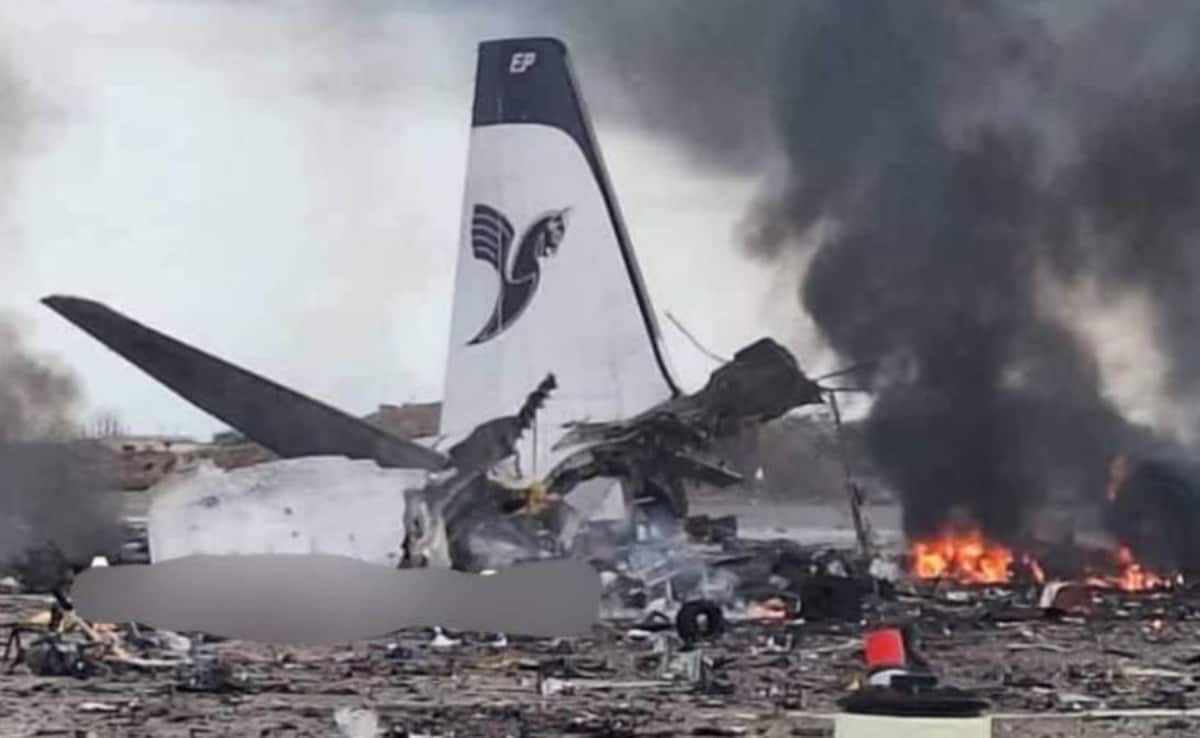
Bushehr, Iran – Reports emerging Tuesday indicate a parked passenger aircraft was destroyed on the ground at Bushehr Airport during a series of military strikes, as tensions escalate dramatically following the reported death of Iran’s Supreme Leader Ayatollah Ali Khamenei. The strikes are part of a wider joint operation conducted by the United States and Israel targeting Iranian military and strategic sites, including Islamic Revolutionary Guard Corps (IRGC) command centers, missile facilities, and air defenses.
The unfolding crisis represents a significant escalation in regional hostilities, raising fears of a broader conflict with potentially devastating consequences for global energy markets and international security. The attacks follow a period of heightened tensions, culminating in the reported killing of Ayatollah Khamenei, a pivotal figure in Iranian politics for over three decades. The situation remains fluid and is being closely monitored by international observers.
Escalation of Hostilities: A Timeline of Events
The current crisis began to unfold on Saturday, with the launch of coordinated strikes by US and Israeli forces inside Iran. According to reports, these strikes utilized ballistic missiles, including Tomahawk cruise missiles launched from warships in the Persian Gulf, alongside air strikes conducted by fifth-generation stealth fighters such as the F-22 and F-35. The initial wave of attacks reportedly targeted key infrastructure and leadership compounds, culminating in the reported death of Ayatollah Khamenei in a strike on his compound in central Tehran.
Donald Trump, the former US President, publicly commented on the death of Khamenei, stating, “Khamenei, one of the most evil people in History, is dead,” and warning of continued “heavy and pinpoint bombing” throughout the week. This rhetoric underscores the aggressive stance adopted by the US in response to Iran’s regional activities and nuclear program.
Iran responded swiftly to the attacks, launching a barrage of missiles and unmanned aerial vehicles (UAVs), including its low-cost Shahed drones, targeting Israel and American military bases in the region. These attacks also reportedly extended to civilian buildings in neighboring Gulf nations, further broadening the scope of the conflict. The response included the closure of the Strait of Hormuz, a critical waterway for global oil shipments, threatening to disrupt energy supplies and send shockwaves through the global economy. Approximately 20 million barrels of crude oil are shipped daily through the Strait of Hormuz.
Damage Assessment and Reports of Airport Strikes
While a comprehensive assessment of the damage is ongoing, initial reports indicate significant destruction across multiple Iranian sites. Iranian state media reported that Mehrabad Airport in Tehran was also targeted by strikes, with images circulating showing a cloud of grey smoke rising from the vicinity of a runway. The Mehr News Agency described the attacks as perpetrated by “American-Zionist terrorists.”
The destruction of the aircraft at Bushehr Airport, as reported by Iranian media, adds another layer to the escalating conflict. Details regarding the type of aircraft and its purpose remain scarce, but the incident highlights the direct impact of the strikes on Iranian civilian infrastructure. The US-Israeli strikes have reportedly killed 555 people across Iran, according to the Iranian Red Crescent Society.
Further compounding the crisis, Ayatollah Khamenei’s wife reportedly succumbed to injuries sustained during the US-Israeli attack. Loud explosions have also been reported near a nuclear facility and an air base in Isfahan, raising concerns about the potential for a wider escalation involving Iran’s nuclear program.
International Response and Regional Implications
The international community has reacted with a mix of concern and calls for de-escalation. NATO Secretary-General Mark Rutte stated that the alliance has “absolutely no plans” to join the war with Iran. Spain has decided against allowing the use of its military bases, jointly operated with the US, in operations related to the conflict.
Meanwhile, protests have erupted in several countries, including India, where left parties held a demonstration at Jantar Mantar in Delhi, condemning the US-Israeli attack and the killing of Ayatollah Khamenei.
The situation is further complicated by reports of Iranian sleeper cells being “activated” inside the United States, with Homeland Security officials warning of a “travel” signal sent from Tehran and increased risk to top US targets. there have been incidents of mistaken identity, such as the case of a US airman mistakenly shot down by Kuwait after parachuting from an F-15.
Key Takeaways
- Escalated Conflict: The death of Ayatollah Ali Khamenei has triggered a significant escalation in hostilities between Iran, the United States, and Israel.
- Strategic Targets: Military and strategic sites across Iran have been targeted in the strikes, including airports, command centers, and nuclear facilities.
- Regional Instability: The closure of the Strait of Hormuz and attacks on neighboring countries raise concerns about wider regional instability and potential disruptions to global energy supplies.
- International Response: The international community is calling for de-escalation, but the situation remains highly volatile.
The coming days will be critical in determining the trajectory of this crisis. Further developments are expected as Iran vows retribution and the US and Israel maintain a firm stance. The international community will be closely watching for any signs of de-escalation or further escalation, as the stakes remain exceptionally high.
Next Steps: The Iranian government is expected to issue a formal response to the attacks in the coming days. The United Nations Security Council is scheduled to convene an emergency session to discuss the crisis on Wednesday. World Today Journal will continue to provide updates as the situation unfolds.
Do you have insights or perspectives on this developing story? Share your thoughts in the comments below.