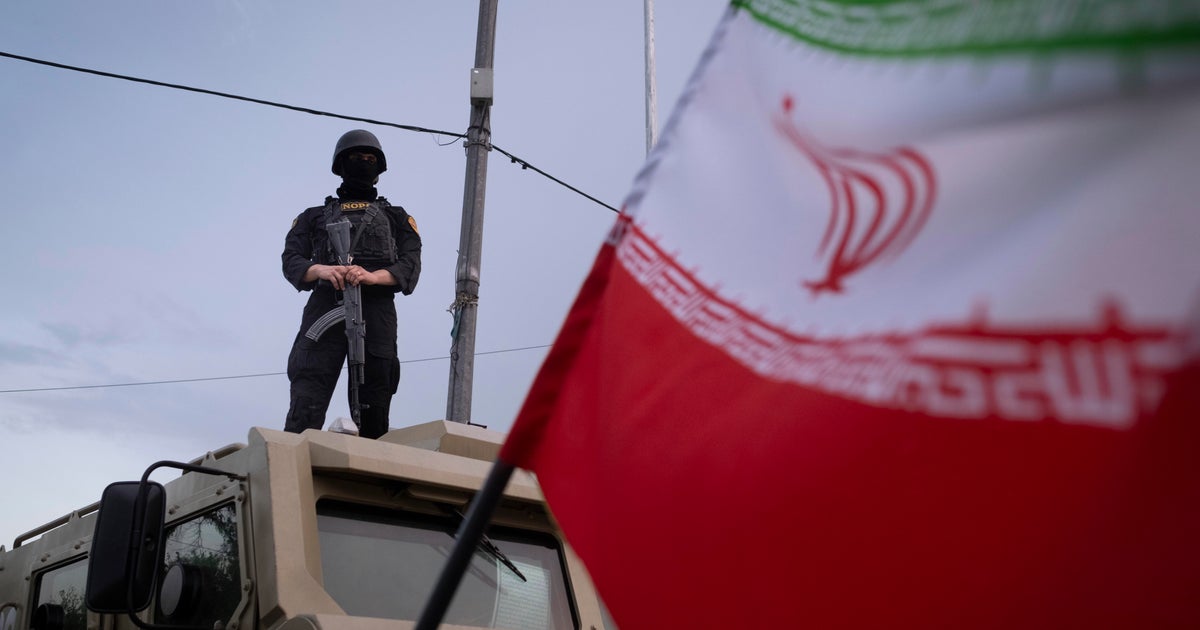
The United States and Iran are currently locked in a high-stakes diplomatic and military standoff, with Tehran offering a new proposal to end the ongoing conflict. The offer, which has reached the White House, centers on the reopening of the strategic Strait of Hormuz in exchange for the lifting of a U.S. Naval blockade and a formal end to the war. In a significant tactical shift, the proposal suggests postponing negotiations regarding Iran’s nuclear program—long the primary point of contention—until a later date according to reporting from Al Jazeera.
The proposal arrives as the Trump administration faces an urgent legal deadline. Under the War Powers Resolution, the U.S. President generally has a 60-day window to conduct unauthorized military action before requiring congressional approval. That deadline coincided with May 1, 2026. However, U.S. Defense Secretary Pete Hegseth testified before Congress that a current ceasefire has effectively paused
the 60-day clock on congressional authorization as reported by Foreign Policy.
Despite the diplomatic overture, the atmosphere remains volatile. Even as the White House confirmed that President Donald Trump and his national security team have discussed the offer, Secretary of State Marco Rubio has reportedly expressed skepticism toward the Iranian proposal via CNBC. The tension is further exacerbated by reports that U.S. Central Command (CENTCOM) has prepared plans for a short and powerful
wave of strikes intended to pressure Iran into surrendering its enriched uranium per ABC News.
Iran has responded to these potential military escalations with sharp warnings. Supreme Leader Mojtaba Khamenei and other high-ranking officials have asserted that any renewal of U.S. Attacks would be met with long and painful strikes
on American positions according to BNN Bloomberg. The Iranian leadership continues to frame the U.S. Maritime strategy as a violation of international law, with the government signaling it may seek war compensation and asset recovery.
The Three-Stage Proposal: A Roadmap to De-escalation?
Tehran’s latest diplomatic effort is structured as a multi-stage formula designed to create a sustainable path toward peace. While the full details remain subject to diplomatic confidentiality, the core of the strategy focuses on immediate stability over long-term nuclear resolution. The proposed stages are reported to include:
- Stage 1: An immediate and complete end to the war, accompanied by guarantees of non-aggression.
- Stage 2: The mutual reopening of the Strait of Hormuz and the lifting of the U.S. Naval blockade to restore global oil transit and economic stability.
- Stage 3: A deferred timeline for addressing the nuclear issue, effectively decoupling the immediate cessation of hostilities from the complex negotiations over uranium enrichment.
This strategy is widely seen as an attempt by Iran to alleviate the crushing economic pressure of the blockade and the risk of a full-scale war, while buying time on the nuclear front. By offering to reopen the Strait of Hormuz—a chokepoint through which a significant portion of the world’s oil passes—Iran is leveraging global economic interests to pressure the U.S. Into a ceasefire according to NDTV.
The Blockade and the ‘Doomed’ Strategy
Central to the current standoff is the U.S. Naval blockade of Iranian ports. President Donald Trump has previously warned that this blockade could last for months to force Iranian concessions. However, Iranian President Masoud Pezeshkian has dismissed this strategy as fundamentally flawed.
Any attempt to impose a maritime blockade or restrictions is contrary to international law… And is doomed to fail.Masoud Pezeshkian, President of Iran
Pezeshkian issued this statement on April 30, 2026, to mark Persian Gulf National Day, arguing that such measures only deepen disruptions in the Gulf and serve as a source of regional tension rather than security per RNZ News. The blockade has already contributed to soaring oil prices and increased maritime insurance costs, impacting global shipping lanes.
The War Powers Conflict: Legal Deadlines vs. Executive Action
A significant internal political battle is unfolding in Washington over the legality of the ongoing conflict. The War Powers Resolution of 1973 requires the president to terminate the apply of armed forces within 60 days of a report to Congress if authorization is not granted. With the May 1 deadline passing, the Trump administration’s claim that the ceasefire pauses
this clock has met with fierce resistance from Democratic lawmakers.
Critics argue that a fragile ceasefire does not constitute a termination of hostilities or a legal loophole to bypass congressional oversight. The dispute highlights a growing tension between the executive branch’s desire for flexibility in Middle East operations and the legislative branch’s mandate to oversee war-making powers as analyzed by CNN Politics.
Key Stakes of the Current Standoff
| Issue | United States Position | Iranian Position |
|---|---|---|
| Strait of Hormuz | Seeking a coalition to reopen/secure the waterway. | Asserts full control; offers reopening as a bargaining chip. |
| Nuclear Program | Demands immediate limits on enriched uranium. | Proposes postponing nuclear talks until after the war ends. |
| Naval Blockade | Using maritime restrictions to pressure Tehran. | Claims blockade is illegal and doomed to fail. |
| Legal Status | Argues ceasefire pauses the 60-day War Powers clock. | Demands a formal end to the war and non-aggression guarantees. |
What Happens Next?
The immediate future of the conflict depends on whether the Trump administration views the Iranian proposal as a genuine olive branch or a stalling tactic. The cancellation of planned meetings in Pakistan between U.S. Envoys and Iranian counterparts suggests a current lack of trust in the diplomatic channel per CNBC.
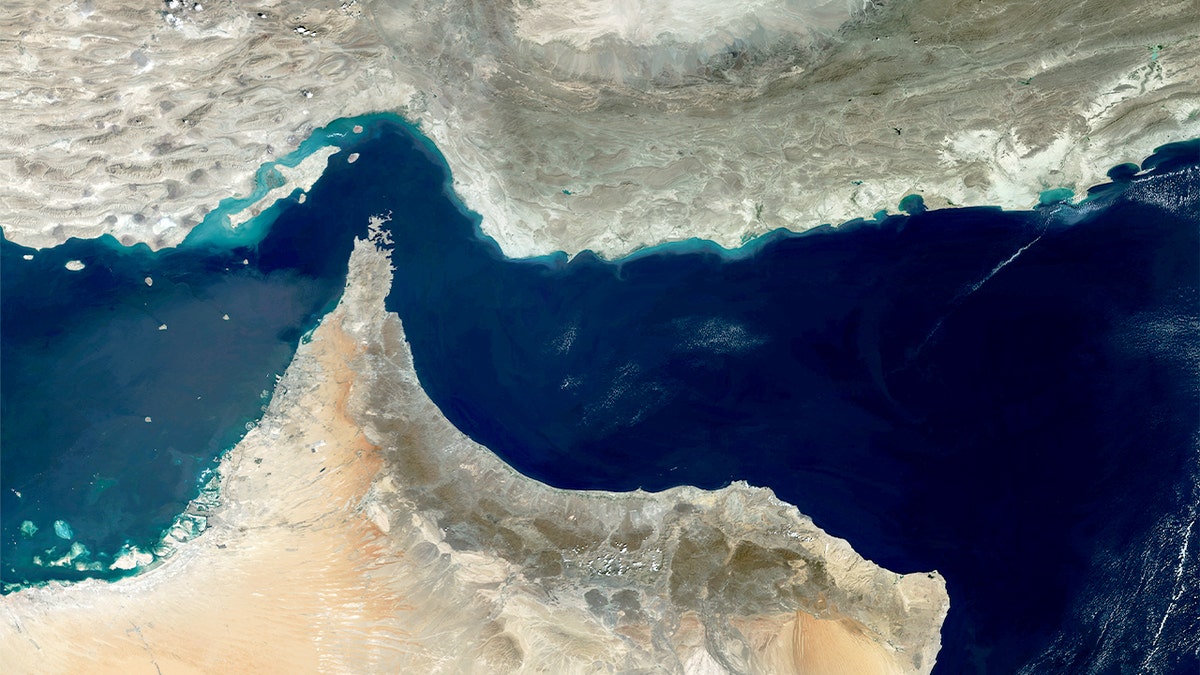
Military analysts are watching for any signs of the short and powerful
strikes planned by CENTCOM. If the U.S. Proceeds with these attacks, the fragile ceasefire could collapse, potentially triggering the prolonged, painful blows
promised by the IRGC Aerospace Force via Pakistan Today.
The next critical checkpoint will be the official White House response to the three-stage proposal and any subsequent congressional action regarding the War Powers Resolution. As the global economy remains sensitive to the stability of the Strait of Hormuz, the pressure for a resolution continues to mount.
World Today Journal encourages readers to share this report and join the conversation in the comments below regarding the implications of this standoff for global energy security.
Keep reading