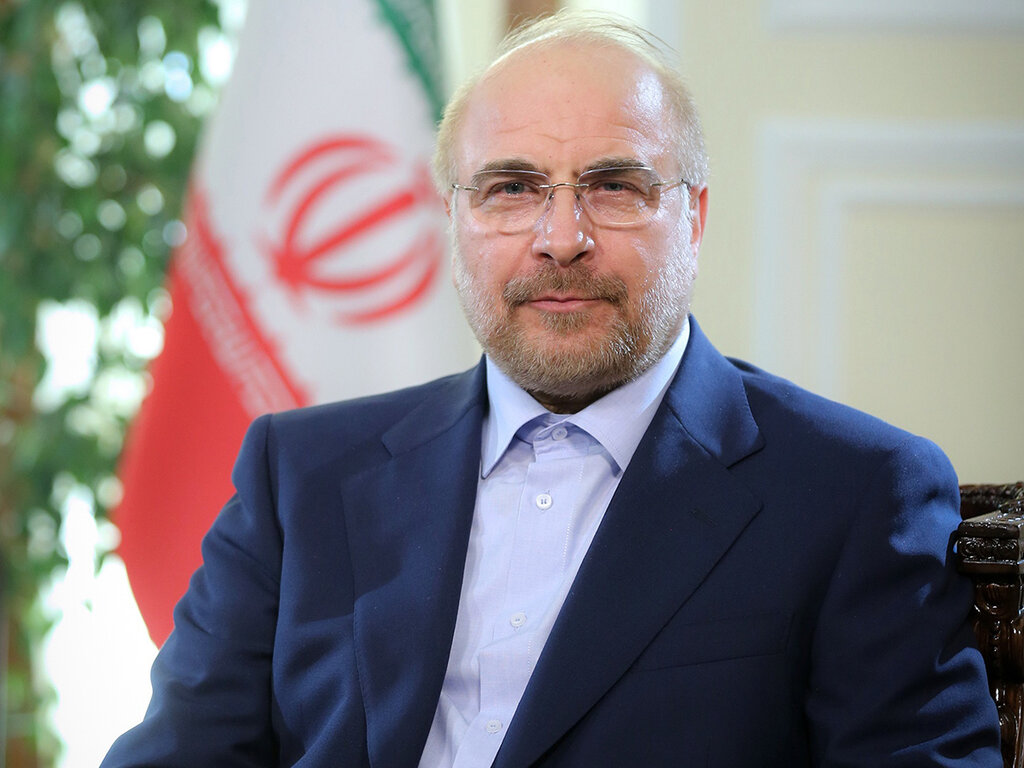
In a move that could signal a pivotal shift in the volatile geopolitical landscape of the Middle East, an Iranian delegation has arrived in Islamabad to engage in high-stakes negotiations with representatives from the United States. The arrival of the delegation in the Pakistani capital marks a significant attempt to utilize diplomatic channels to prevent further escalation in a region already strained by proxy conflicts and direct military confrontations.
These talks, facilitated by Pakistan, come at a critical juncture. For months, the world has watched with apprehension as tensions between Washington and Tehran reached a fever pitch, exacerbated by the ongoing conflict in Gaza and the intensifying clashes between Israel and Hezbollah in Lebanon. The choice of Islamabad as a neutral ground underscores Pakistan’s enduring role as a strategic bridge between Western powers and the Islamic Republic of Iran, a position the Pakistani government is now leveraging to foster regional stability.
As an editor who has spent over a decade analyzing the intricate webs of international relations, I view this development not as a sudden miracle, but as a calculated necessity. Both Washington and Tehran appear to be searching for an “off-ramp”—a way to reduce the risk of a catastrophic direct war without appearing to surrender their respective strategic interests. The primary objective of these sessions is reportedly to establish a framework for a sustainable ceasefire and to address the immediate security triggers that have brought the two nations to the brink of open conflict.
While the presence of high-level officials confirms that the diplomatic machinery is moving, the atmosphere remains one of cautious skepticism. The history of US-Iran relations is littered with collapsed agreements and broken promises, meaning the success of the Islamabad talks will depend less on the arrival of the delegates and more on the willingness of both parties to develop tangible concessions on issues ranging from nuclear proliferation to regional influence.
The Strategic Significance of Pakistan’s Mediation
Pakistan’s emergence as the host for these Iran US negotiations in Islamabad is no coincidence. Islamabad maintains a complex but functional relationship with both the United States and Iran, making it one of the few capitals capable of hosting such sensitive dialogues without the immediate political baggage associated with other regional mediators. By positioning itself as a facilitator, Pakistan is not only seeking to enhance its own diplomatic prestige but is also attempting to mitigate the risk of regional spillover that could destabilize its own borders.
The Pakistani government has formally acknowledged the participation of leadership from both nations, suggesting that these are not merely low-level technical meetings but strategic discussions involving decision-makers. This level of engagement is essential because the issues on the table—including the status of Iranian proxies and the enforcement of US sanctions—require authority that exceeds the mandate of typical diplomatic envoys.
From a geopolitical perspective, the use of a third-party venue allows both the US State Department and the Iranian Foreign Ministry to maintain a degree of plausible deniability should the talks fail. It provides a “buffer zone” where proposals can be floated and tested without the immediate pressure of public commitment. For Washington, this is a chance to manage the Iranian threat while focusing on other global priorities; for Tehran, it is an opportunity to seek sanctions relief and ensure the survival of its strategic assets in the region.
Parallel Diplomacy: The Lebanon-Israel Dimension
The negotiations in Islamabad are not happening in a vacuum. Reports indicate a simultaneous acceleration of diplomatic efforts regarding the conflict between Lebanon and Israel. The “train of direct negotiations,” as described by some regional observers, is beginning to move, with a focus on establishing a durable ceasefire between the Israel Defense Forces (IDF) and Hezbollah.
These two tracks—the US-Iran dialogue and the Lebanon-Israel ceasefire—are inextricably linked. Tehran provides significant financial and military support to Hezbollah, meaning any permanent peace in Southern Lebanon is almost impossible without an understanding between Washington and Tehran. The synchronization of these talks suggests a broader regional effort to “freeze” multiple conflict zones simultaneously to avoid a total systemic collapse of security in the Levant and the Gulf.
The complexity here lies in the “triangular” nature of the diplomacy. The US must balance its commitment to Israel’s security with its desire to prevent a regional war. Iran must balance its support for the “Axis of Resistance” with the internal economic pressure caused by years of isolation. If the Islamabad talks can produce a breakthrough, it could provide the necessary political cover for Hezbollah to accept a ceasefire in Lebanon, effectively decoupling the local conflict from the wider global power struggle.
The “Break Between Wars” Skepticism
Despite the optimism surrounding the arrival of the Iranian delegation, a significant school of thought among analysts suggests that these talks may be nothing more than a “strategic pause”—a temporary respite between two phases of conflict. This perspective argues that neither side is truly prepared to resolve the fundamental contradictions of their relationship.
For the United States, the “maximum pressure” campaign has evolved but not disappeared. The US remains committed to preventing Iran from acquiring a nuclear weapon, a goal that often clashes with Tehran’s insistence on sovereign rights to nuclear technology. According to the International Atomic Energy Agency (IAEA), monitoring and verification of Iranian nuclear sites remain a primary point of international contention, and it is unlikely that Washington will abandon this requirement during the Islamabad talks.
Conversely, Iran views US presence in the Middle East as an inherent threat. The Iranian leadership is unlikely to dismantle its network of regional allies in exchange for promises of sanctions relief that could be overturned by a future US administration. This fundamental lack of trust is the primary obstacle. The risk is that the Islamabad negotiations are being used by both sides to gather intelligence on the other’s current thresholds of tolerance, rather than to reach a genuine compromise.
Key Challenges to a Permanent Agreement
- Sanctions Regime: The US uses economic sanctions as its primary lever, while Iran views their removal as a non-negotiable prerequisite for any long-term deal.
- Nuclear Threshold: The gap between Iran’s current enrichment levels and the limits set by previous agreements remains a critical flashpoint.
- Proxy Dynamics: The role of the Houthis in Yemen and Hezbollah in Lebanon creates a layer of complexity where local actors may not always follow the directives of the central negotiators in Islamabad.
- Internal Politics: Both the Biden administration and the Iranian clerical establishment face domestic pressures that limit their ability to make “bold” concessions.
What a Breakthrough Would Mean for Global Stability
If the Iran US negotiations in Islamabad result in a permanent ceasefire or a renewed diplomatic framework, the ripple effects would be felt globally. The most immediate impact would be on global energy markets. The Strait of Hormuz, through which a significant portion of the world’s oil passes, is often the first place where US-Iran tensions manifest as military threats. A stabilized relationship would lower the “risk premium” on oil prices, providing much-needed relief to global economies battling inflation.
Beyond economics, a diplomatic resolution would fundamentally alter the security architecture of the Middle East. It would reduce the likelihood of a direct missile exchange between the US and Iran, which would almost certainly draw in other regional powers and potentially lead to a global conflict. For the people of Lebanon, Syria, and Yemen, a high-level agreement in Islamabad could translate into an end to years of devastating warfare and the beginning of a slow process of reconstruction.
success in Pakistan would validate the model of “neutral-ground diplomacy.” In an era where direct communication between superpowers is often frozen, the role of middle powers like Pakistan becomes indispensable. It demonstrates that even the most entrenched enemies can find a path to the table when the cost of war becomes higher than the cost of compromise.
The Path Forward: Checkpoints and Expectations
As the delegation begins its sessions, the world will be looking for specific markers of progress. The first sign of success will not be a signed treaty, but a series of “small wins”—perhaps a prisoner exchange, a temporary reduction in maritime tensions, or a joint statement expressing a commitment to “de-escalation.”
The most critical upcoming checkpoint will be the official readout from the Pakistani Ministry of Foreign Affairs and the subsequent statements from the US State Department. Observers will be scanning these documents for keywords like “mutual understanding,” “road map,” or “framework for cooperation.” If the language remains vague and focused only on “exchanging views,” it may suggest that the talks are indeed a mere pause in hostilities.
However, if the talks produce a concrete timeline for follow-up meetings in other capitals, it would indicate that Islamabad has successfully laid the groundwork for a broader diplomatic offensive. The goal is not necessarily a comprehensive peace treaty—which remains a distant prospect—but a “managed rivalry” where both sides agree on the rules of engagement to avoid accidental war.
| Objective | United States Focus | Iran Focus |
|---|---|---|
| Immediate Goal | Containment and regional ceasefire | Sanctions relief and security guarantees |
| Nuclear Issue | Strict verification and limits | Recognition of nuclear rights |
| Regional Influence | Reducing proxy activity | Maintaining strategic depth |
| Diplomatic Outcome | Avoidance of direct war | End of international isolation |
The arrival of the Iranian delegation in Islamabad is a moment of fragile hope. In my years of reporting, I have learned that the most enduring peace deals are often born out of the deepest exhaustion. Both the US and Iran are exhausted by a cycle of escalation that has yielded few strategic victories and immense costs. Whether this exhaustion leads to a breakthrough or a temporary truce remains to be seen, but the fact that they are talking in Islamabad is, in itself, a victory for diplomacy over destruction.
Next Confirmed Checkpoint: The international community awaits the first formal joint statement or briefing from the Pakistani government regarding the outcome of the initial sessions, expected within the coming days.
What are your thoughts on the potential for a lasting peace between Washington and Tehran? Do you believe neutral-ground mediation is the only way forward? Share your perspectives in the comments below or share this analysis with your network.
Worth a look