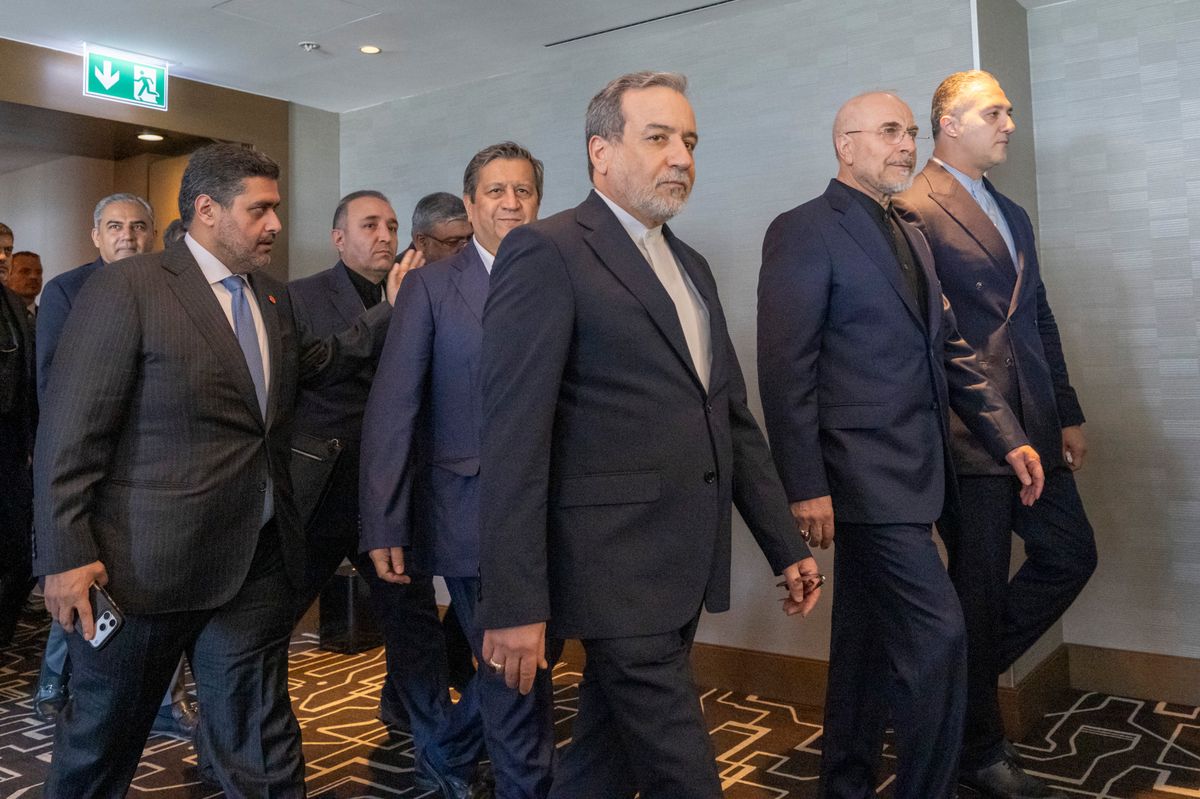
US and Iranian officials have begun high-stakes diplomatic negotiations in Bürgenstock, Switzerland, to address regional instability and nuclear concerns. While US Vice President J.D. Vance described the negotiations as “historic,” the Iranian delegation has paused proceedings to protest recent threats from the Trump administration, leaving the immediate success of the summit uncertain.
The meeting, held in the neutral setting of the Swiss Alps, represents a significant attempt to establish a communication channel between Washington and Tehran. However, the atmosphere remains volatile as both sides navigate deep-seated mistrust and shifting political rhetoric from the United States. According to reports from the Tages-Anzeiger, the initial phase of the talks focused on establishing a framework for dialogue, though the momentum was quickly challenged by political developments in Washington.
Why are the United States and Iran meeting in Switzerland?
Switzerland has long served as a neutral ground for international mediation, and the Bürgenstock summit follows a historical pattern of Swiss-hosted diplomacy. The primary objective of these talks is to find a pathway toward de-escalation in the Middle East and to address the long-standing impasse regarding Iran’s nuclear program and regional influence. By hosting the delegations in a secluded, neutral environment, Swiss authorities aim to provide the privacy necessary for sensitive concessions.
Diplomatic observers note that the choice of location is intentional. Switzerland’s tradition of “good offices” allows both the US and Iran to engage without the immediate political baggage that direct bilateral meetings in their respective capitals would entail. The discussions are expected to cover several critical pillars, including maritime security in the Persian Gulf, the release of detained citizens, and the technical parameters of nuclear oversight. While the specific agenda remains classified, the presence of high-level officials from both nations suggests that the topics involve core national security interests.
The necessity of these talks arises from a period of heightened tension in the Middle East. With various regional conflicts reaching critical points, the risk of direct military confrontation between the US and Iran remains a primary concern for global markets and international security agencies. The Bürgenstock meeting is seen by some as a “safety valve” to prevent miscalculation, even if a permanent settlement remains distant.
How have recent political threats impacted the Bürgenstock negotiations?
The diplomatic progress in Switzerland has been directly hindered by political rhetoric coming from the United States. According to SRF, the Iranian delegation recently paused its participation in the talks following a series of threats issued by the Trump administration. The Iranian side expressed that the aggressive tone from Washington creates an environment unsuitable for constructive negotiation.
The tension is not merely rhetorical but has manifested in the formal conduct of the summit. DIE ZEIT reports that the Iranian delegation has actively protested against these new threats, arguing that diplomatic engagement cannot occur simultaneously with escalatory posturing. This friction has created a rhythmic pattern of engagement and withdrawal, with the Iranian representatives signaling that their willingness to sit at the table is contingent upon a shift in the US approach.
This “stop-and-start” dynamic poses a significant challenge to the Swiss mediators. Neutral hosts must balance the need to maintain a stable environment with the reality that the participating parties are reacting to external political pressures. The pause in talks highlights the difficulty of separating direct diplomatic negotiations from the broader, often more aggressive, political theater occurring in Washington and Tehran.
Comparison of Diplomatic Perspectives
The reporting from various international outlets reveals a stark contrast in how the current state of negotiations is being framed by different stakeholders and media organizations.
| Source/Perspective | Core Characterization | Key Detail Reported |
|---|---|---|
| US Officials (via tagesschau.de) | “Historic” | Vice President J.D. Vance views the talks as a major breakthrough opportunity. |
| Iranian Delegation (via DIE ZEIT) | “Protest/Pause” | Negotiations are being interrupted due to US threats. |
| Regional Observers (via SRF) | “Volatile” | Trump administration threats have directly caused a pause in discussions. |
| Neutral Reporting (via NZZ) | “Stalemate/Ongoing” | No concrete results have been reached, but all parties remain present. |
What is the current status of the diplomatic talks?
Despite the interruptions and the cooling of the diplomatic atmosphere, the talks have not completely collapsed. The Neue Zürcher Zeitung (NZZ) reports that while no definitive results or agreements have been produced, all relevant parties remain at the table in Switzerland. This persistence suggests that despite the public protests and the pauses in formal sessions, there is still a fundamental interest in maintaining the channel of communication.
The current status can be described as a period of “active stalemate.” The delegations are present, and the infrastructure for negotiation is in place, but the actual exchange of substantive proposals has been stalled by the ongoing friction between the US administration’s rhetoric and the Iranian delegation’s demands for stability. The Swiss mediators continue to facilitate contact, working to bridge the gap between the “historic” optimism expressed by US officials and the cautious, protest-driven stance of the Iranians.
For the participants, the “all at the table” status is a critical baseline. It prevents a total diplomatic blackout, which many analysts believe would lead to an immediate escalation of regional hostilities. However, being “at the table” is not synonymous with making progress; it currently represents a holding pattern intended to prevent further deterioration while the political landscape in the US settles.
Why does this summit matter for Middle East stability?
The outcome of the Bürgenstock meeting carries implications that extend far beyond the borders of Switzerland and Iran. For the global community, the success or failure of these talks serves as a bellwether for the stability of the Middle East. A breakthrough could lead to a reduction in maritime tensions, a stabilization of oil prices, and a potential easing of the nuclear standoff that has defined US-Iran relations for decades.
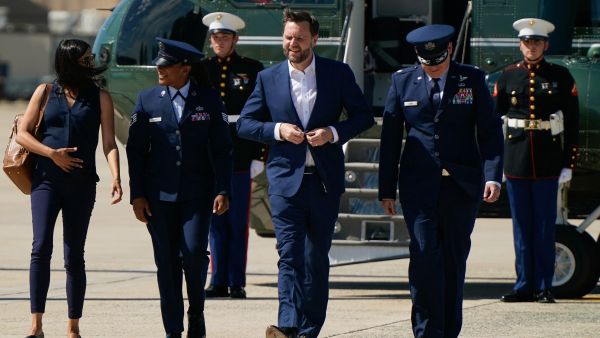
Conversely, a total failure of the summit could signal a return to a policy of maximum pressure and direct confrontation. If the “historic” window described by US officials closes without a framework for engagement, the vacuum could be filled by increased military activity in the Persian Gulf and more aggressive regional proxy conflicts. The international community, including European allies and Asian energy consumers, has a significant stake in ensuring these talks result in at least a functional de-escalation mechanism.
Furthermore, the Bürgenstock summit tests the efficacy of modern neutral mediation. As the world moves toward a more multipolar and fragmented geopolitical order, the ability of a single nation like Switzerland to host and facilitate meaningful dialogue between two such divergent powers is being closely scrutinized. The ability of the mediators to navigate the “threat-protest” cycle will determine if such summits remain a viable tool for international diplomacy.
Key Takeaways from the Bürgenstock Summit
- Diplomatic Friction: The Iranian delegation has paused talks to protest recent threats from the Trump administration.
- US Stance: US Vice President J.D. Vance has characterized the ongoing negotiations as “historic.”
- Current Status: No official agreements have been reached, though all parties remain present in Switzerland.
- Mediation Role: Switzerland continues to provide the neutral ground necessary to keep both delegations at the negotiating table.
- Primary Risk: The primary danger remains a total diplomatic collapse, which could trigger increased regional military tension.
The next major checkpoint in these negotiations will be the scheduled follow-up session, intended to resume formal discussions once the current impasse regarding US political rhetoric is addressed. Official updates from the Swiss Federal Department of Foreign Affairs are expected following the conclusion of the current round of meetings.
What are your thoughts on the role of neutral mediation in modern geopolitics? Share this article and join the conversation in the comments below.
- Kali Uchis Moral Conscience Live in Phoenix Arizona 2023
- Strait of Hormuz Conflict Traps Thousands of Seafarers in Persian Gulf
- Spain Imposes Border Controls on Travelers from Italy Amid Diplomatic Tensions (archynewsy.com)
- Iran Demands Cast Doubt on Reopening Strait of Hormuz Despite Oman Deal Talks (world-today-news.com)