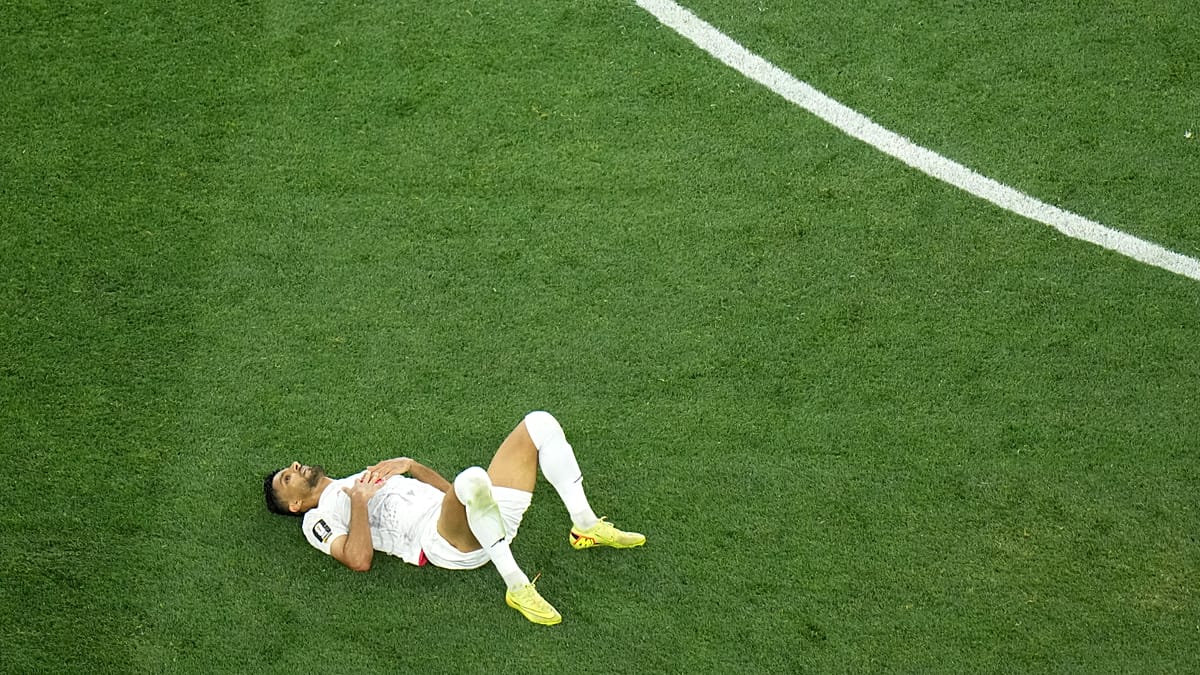
The Iranian national football team’s participation in the 2026 FIFA World Cup has been marked by significant internal and external friction, culminating in head coach Amir Ghalenoei describing his squad as the most “oppressed” team in the tournament following their early exit. This characterization comes amid a backdrop of high-profile protests, diplomatic tensions, and challenges in managing the team’s public image on the global stage, as reported by outlets covering the tournament’s ongoing controversies.
The sentiment expressed by Ghalenoei highlights the unique pressure placed on the Iranian delegation. According to reports from international sports media, the team faced persistent difficulties throughout their campaign, ranging from logistical hurdles to intense scrutiny from fans and activists outside the stadium. These pressures have created a volatile environment for both the players and the technical staff, who have struggled to maintain focus while navigating the geopolitical complexities surrounding their national representation.
Geopolitical Tensions and the “Battle of Symbols”
The 2026 tournament, hosted in part by the United States, has served as a flashpoint for the Iranian diaspora. During the team’s opening matches, spectators observed a distinct “battle of symbols” within the stands, where various political factions sought to display messages against the Iranian government. This presence of political activism at venues in cities like Los Angeles has drawn significant attention, as security protocols attempted to balance freedom of expression with FIFA’s strict regulations regarding political displays during matches.

The FIFA Stadium Code of Conduct strictly prohibits the use of political, offensive, or discriminatory slogans within the confines of World Cup venues. Despite these regulations, the Iranian team found itself at the center of a narrative where their presence was treated as a proxy for broader domestic struggles. The tension between the team’s desire to compete and the political atmosphere surrounding their games has frequently eclipsed the on-pitch performance, leading to the frustration voiced by the team’s leadership.
Performance and External Pressures
On the field, the Iranian squad’s performance was inconsistent, drawing comparisons to their past tournament appearances. The team faced a challenging group stage, including a notable 2-2 draw against New Zealand, a match that underscored the physical and mental toll of the tournament. The draw, while a competitive result, did not provide the necessary momentum for the team to advance, leading to an early departure that the coaching staff has attributed to the “maltreatment” they claim to have received from both the governing body and the host nation.
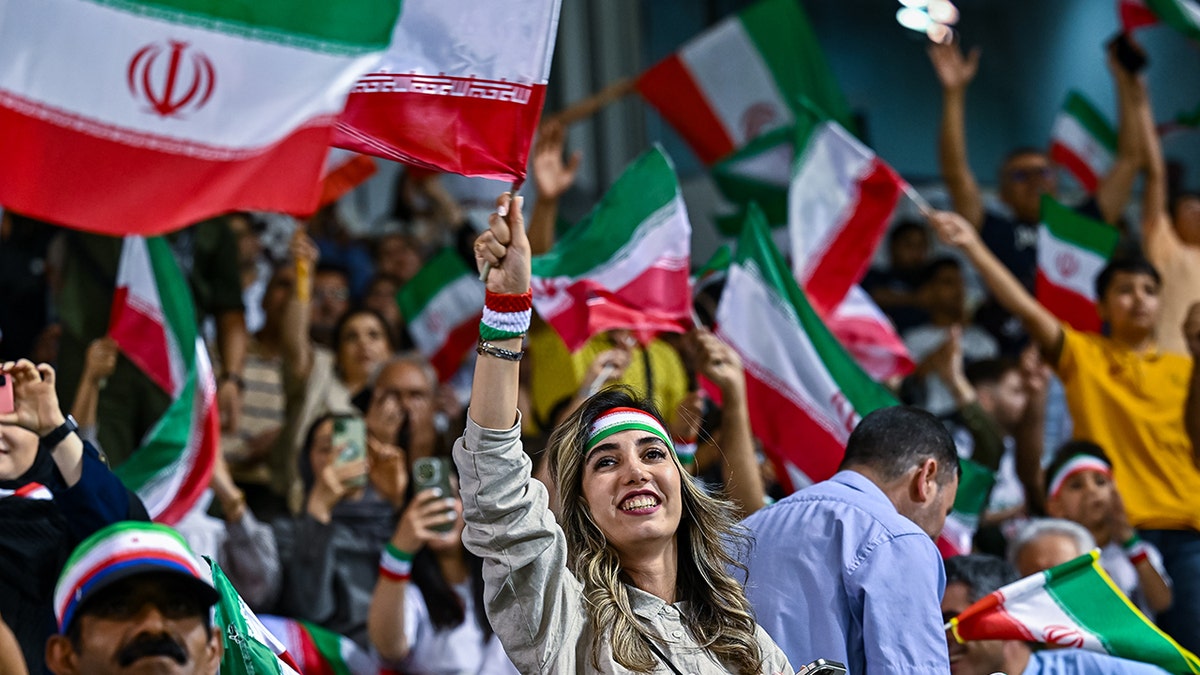
Analysts note that while FIFA provides a neutral ground for competition, the specific political climate of the 2026 host nation created unprecedented logistical challenges. According to the U.S. Department of State’s human rights assessments, the ongoing diplomatic distance between the two nations has historically complicated high-profile events. Ghalenoei’s comments reflect a belief that the team was unfairly targeted by these broader diplomatic failures, turning the World Cup into an environment that felt hostile rather than inclusive.
The Impact of Diaspora Activism
The role of the Iranian diaspora in the 2026 World Cup has been a defining feature of the team’s tournament experience. In cities with large Iranian populations, activists have utilized the global platform of the World Cup to draw attention to domestic issues in Iran. This has forced the team into a defensive posture, where every movement and press conference is scrutinized for political subtext.
For the players, this environment represents a significant departure from the traditional experience of representing one’s country. While professional athletes are often prepared for hostile crowds, the intensity of the political messaging directed at the Iranian team has been described by observers as unique. The Human Rights Watch report on the domestic situation in Iran provides context for why the diaspora remains highly mobilized during international events, creating a persistent feedback loop of protest and reaction that follows the team from city to city.
What Happens Next for the Squad
Following their exit, the Iranian football federation is expected to conduct a formal review of the team’s performance and the external factors that influenced their campaign. There has been no official statement from the federation regarding the future of Amir Ghalenoei’s tenure, though the coach’s recent public comments suggest a significant rift between the team and the tournament organizers.
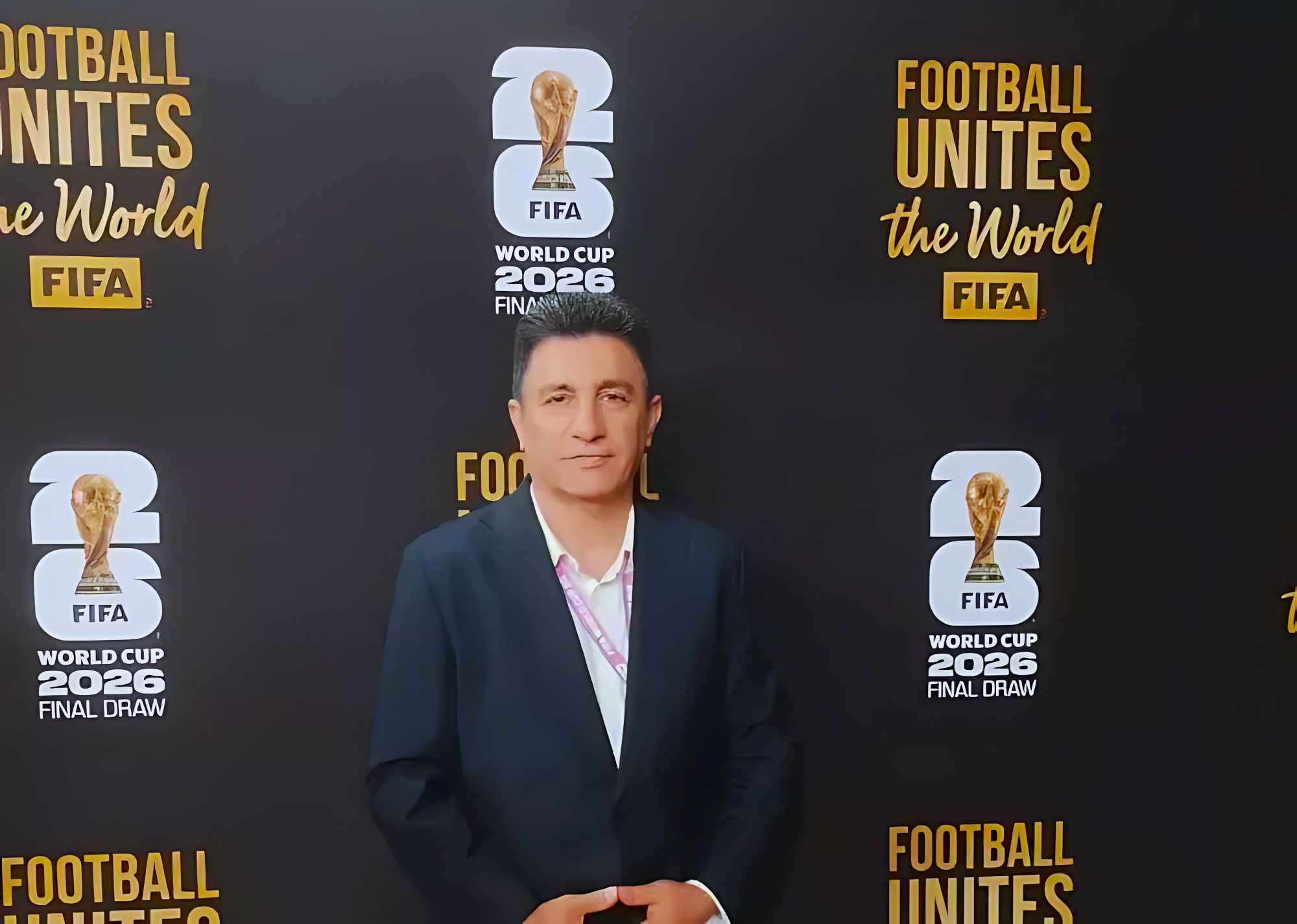
The next confirmed checkpoint for the team will be the commencement of the qualification rounds for the 2027 AFC Asian Cup. The federation will likely address the logistical shortcomings identified during the World Cup in their post-tournament report. As the dust settles, the focus remains on whether the team can return to a purely sporting narrative in future international competitions. Readers are encouraged to share their thoughts on the balance between political expression and international sport in the comments section below.