The security landscape for Iranian opposition groups in Europe is intensifying, with France bolstering protective measures following reports of escalating threats from the Iranian regime. A recent investigation by France 2 television detailed warnings of potential “acts of war” should European nations continue supporting groups opposing the current Iranian government. This comes amid a pattern of attacks targeting Iranian dissidents and organizations like the National Council of Resistance of Iran (NCRI), raising concerns about the regime’s willingness to extend its repression beyond its borders. The situation highlights a growing trend of state-sponsored violence and destabilization efforts aimed at silencing opposition voices.
The increased security measures in France are a direct response to credible intelligence suggesting the regime in Tehran is actively seeking to harm dissidents and disrupt opposition activities. This isn’t an isolated incident; similar attacks have been reported in Germany and Sweden, indicating a broader campaign to suppress the Iranian resistance movement. The NCRI, a coalition of Iranian opposition groups advocating for a democratic and secular republic, has been a primary target, alongside the People’s Mojahedin Organization of Iran (PMOI), also known as the Mujahedin-e-Khalq (MEK). These groups are viewed by the Iranian government as existential threats, prompting a concerted effort to neutralize them through various means, including violence and intimidation.
Escalating Attacks and a Pattern of Violence
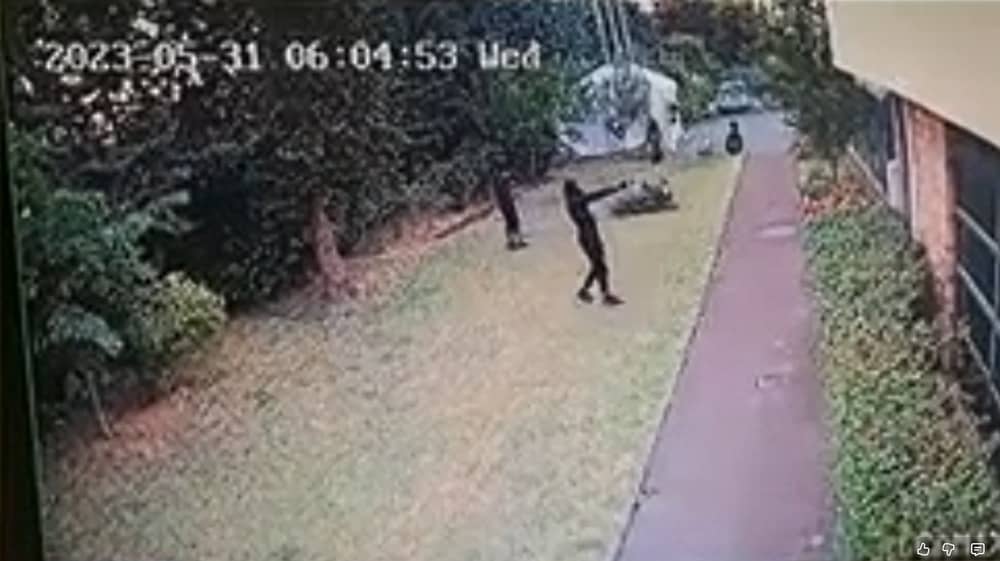
The France 2 report specifically highlighted the 2023 attacks on the offices of the CIMA Association, an affiliate of the Iranian Resistance, in Saint-Ouen-l’Aumône, near Paris. On May 31, 2023, assailants opened fire on the building, discharging six rounds and throwing a Molotov cocktail. Further attacks followed on June 11th and 13th, utilizing accelerants and incendiary devices. French authorities linked these incidents to an Iranian agent operating abroad who recruited individuals through social media, demonstrating a deliberate strategy of outsourcing violence to criminal elements without requiring ideological alignment. The NCRI reports that these attacks are part of a larger pattern of aggression.
Beyond France, similar incidents have been documented across Europe. In December 2023, the NCRI’s representative office in Berlin, Germany, was targeted with incendiary materials, sparking a fire quickly extinguished by authorities. Investigations focused on potential links to Iran’s Ministry of Intelligence. Similarly, in September 2024, a building housing supporters of the PMOI in Spånga, northern Stockholm, Sweden, was attacked with multiple Molotov cocktails, causing damage to windows and walls. This attack occurred shortly after the start of a new presidential term in Sweden, adding to the sense of escalating tension. These attacks, coupled with over 50 reported plots linked to the Iranian regime between 2021 and 2024, demonstrate a systematic effort to intimidate and silence opposition groups.
The NCRI and the Pursuit of Regime Change
The National Council of Resistance of Iran (NCRI), founded in 1981, positions itself as a parliament-in-exile and a broad coalition of Iranian opposition organizations. According to Wikipedia, the NCRI is closely linked to the Mojahedin-e-Khalq (MEK), a controversial group with a complex history. The NCRI, under the leadership of Maryam Rajavi, advocates for a democratic and secular Iran and has consistently called for the expulsion of Iranian agents, the closure of Iranian embassies allegedly used as “hubs of terror,” and the designation of the Islamic Revolutionary Guard Corps (IRGC) as a terrorist organization. The European Union partially responded to these calls in January 2026 by listing the IRGC as a terrorist entity.
The IRGC’s designation by the EU represents a significant step, but the NCRI argues that more needs to be done to hold the Iranian regime accountable for its actions. The organization contends that the regime’s destabilizing activities extend beyond Europe, impacting regional security and international relations. The NCRI’s calls for stronger action are rooted in its belief that a fundamental change in Iran is necessary to address the root causes of instability and repression. The group’s vision for a future Iran centers on democratic principles, respect for human rights, and peaceful coexistence with the international community.
The Regime’s Tactics and the Use of Proxies
The French investigation, as reported by France 2, revealed a disturbing trend: the Iranian regime’s reliance on proxies and the recruitment of criminals to carry out attacks against dissidents. This strategy allows the regime to maintain plausible deniability while still exerting pressure on its opponents. By outsourcing violence to individuals with no direct ideological connection to the regime, Tehran aims to distance itself from the attacks and avoid direct repercussions. This tactic complicates investigations and makes it more difficult to hold the regime accountable for its actions.
Experts suggest that the regime’s increased efforts to destabilize nations perceived as sympathetic to the opposition are driven by a sense of vulnerability. Facing internal unrest and external pressures, the Iranian government is reportedly seeking to preemptively neutralize potential threats and maintain its grip on power. This strategy aligns with a broader pattern of transnational repression, where authoritarian regimes target dissidents and opposition groups operating outside their borders. The use of proxies and criminal networks allows the regime to extend its reach and exert influence without directly engaging in acts of aggression.
International Response and Future Concerns
The escalating threats to Iranian opposition groups in Europe have prompted calls for increased vigilance and stronger security measures. Governments across the continent are reassessing their security protocols and working to identify and disrupt Iranian intelligence operations. The recent strengthening of security measures in France, as part of the Sentinel plan, is a direct response to the heightened threat level. However, experts warn that a comprehensive solution requires a coordinated international effort to address the root causes of the problem and hold the Iranian regime accountable for its actions.
The situation also raises concerns about the potential for further escalation. As tensions continue to rise, the regime may be tempted to increase its destabilizing activities in Europe and beyond. This could lead to a cycle of violence and retaliation, further undermining regional security and international stability. The NCRI and other Iranian opposition groups are urging governments to take a firm stance against the regime’s aggression and to support their efforts to promote democracy and human rights in Iran.
Looking ahead, the focus will likely remain on bolstering security measures for Iranian dissidents in Europe and gathering evidence to hold the regime accountable for its actions. The ongoing investigations into the attacks in France, Germany, and Sweden are crucial to uncovering the full extent of the regime’s involvement and bringing those responsible to justice. The next key development will be the continued monitoring of the IRGC’s activities following its designation as a terrorist entity by the EU, and the implementation of measures to disrupt its operations and financial networks.
The situation demands continued attention and a resolute response from the international community. Protecting the Iranian resistance from the regime’s repression is not only a matter of safeguarding individual rights but also a crucial step towards fostering a more stable and democratic future for Iran. We encourage readers to share their thoughts and perspectives on this critical issue in the comments below.