
Doha, Qatar – A fuel oil tanker, the Aqua 1, has been struck by an Iranian cruise missile in Qatari territorial waters, marking a significant escalation in tensions in the region. The incident, confirmed by Qatari authorities, occurred approximately 17 nautical miles north of Ras Laffan Industrial City on April 1, 2026. While two of the three launched missiles were intercepted by Qatar’s armed forces, the third impacted the vessel above the waterline, causing damage but, crucially, no reported casualties. This attack represents the first instance of Iranian offensive weaponry directly hitting a moving commercial vessel within the sovereign waters of Qatar, a nation that has historically maintained diplomatic ties with Tehran.
The strike against the Aqua 1, chartered to QatarEnergy, comes on the heels of devastating Iranian missile strikes on the Ras Laffan LNG facility on March 18-19, 2026. Those attacks reportedly destroyed an estimated 17% of Qatar’s LNG export capacity, forcing QatarEnergy to declare force majeure on multiple long-term supply contracts. The recent escalation raises serious concerns about the security of vital energy infrastructure and maritime traffic in the Persian Gulf, a critical artery for global energy supplies. Brent Crude oil prices have already surged, climbing 57% from $72 to $113 a barrel in response to the heightened instability.
Iranian Missile Strike: Details of the Attack
According to the Qatari Defence Ministry, three cruise missiles were launched from Iran. Qatar’s air defenses successfully intercepted two of the projectiles, preventing further damage. However, the third missile struck the Aqua 1, a fuel oil tanker. The incident occurred in a strategically important area, given that Ras Laffan Industrial City is the origin point of approximately 20% of global LNG exports. The geographical location of the attack is particularly noteworthy, as Qatar has consistently sought to de-escalate regional tensions and has maintained an open embassy in Tehran even amidst the current conflict. This makes the targeting of a Qatari-linked vessel a surprising and concerning development.
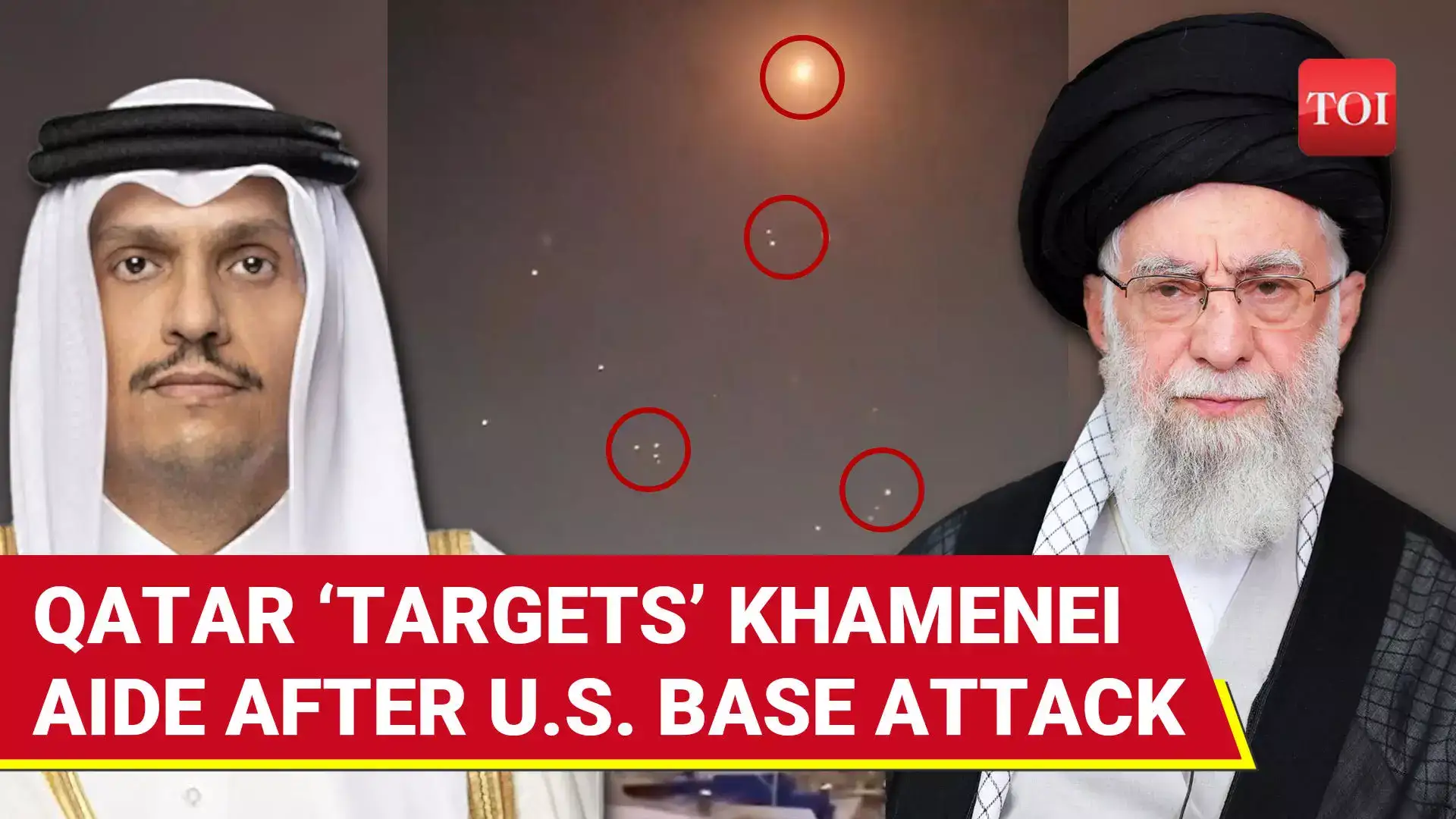
The attack on the Aqua 1 follows a pattern of increasing aggression in the region. The March 18-19 strikes on Ras Laffan significantly impacted Qatar’s ability to supply liquefied natural gas to global markets. The current situation is unfolding on Day 32 of a broader conflict, with casualties exceeding 13,260 across five nations. Traffic through the Strait of Hormuz, a vital chokepoint for oil tankers, has dropped by 94%, further exacerbating concerns about global energy security. Since the start of the conflict, 16 ships have been hit, highlighting the growing risks to maritime navigation in the area.
Geopolitical Implications and Regional Reactions
The decision by Iran to target a vessel linked to Qatar, a country that has historically played a mediating role in the region, is a significant shift in tactics. Qatar hosted Iranian President Raisi in 2022 and continued diplomatic engagement even as tensions escalated. The attack signals a potential breakdown in communication and a willingness by Iran to directly challenge even those nations perceived as neutral or friendly. This move could further isolate Iran internationally and complicate efforts to de-escalate the conflict.
The incident is likely to prompt a reassessment of security measures in the Persian Gulf. Increased naval patrols and enhanced defensive capabilities are expected as nations seek to protect their maritime assets. The United States, a key security partner for Qatar, has condemned the attack and is likely to increase its military presence in the region. The broader implications for global energy markets are substantial, with the potential for further price volatility and supply disruptions. The attack also raises questions about the effectiveness of existing security arrangements and the need for a more robust international response to protect vital shipping lanes.
The Impact on Global Energy Markets
The disruption to LNG exports from Qatar, combined with the increased risk to maritime traffic, is already having a noticeable impact on global energy markets. As previously noted, Brent Crude oil prices have surged, reflecting concerns about supply shortages. European nations, heavily reliant on LNG imports, are particularly vulnerable to disruptions in Qatari supplies. The situation could force countries to seek alternative energy sources, potentially leading to higher energy costs for consumers and businesses. Reuters reports that the attack has heightened anxieties about the stability of energy supplies.
The long-term consequences of the attacks on Qatar’s energy infrastructure could be significant. Rebuilding the damaged facilities at Ras Laffan will require substantial investment and time. The loss of export capacity could impact Qatar’s economic growth and its ability to meet its contractual obligations to international buyers. The incident underscores the vulnerability of critical infrastructure to attack and the need for enhanced security measures to protect vital energy assets.
Looking Ahead: Potential Scenarios and Responses
The situation remains highly fluid and unpredictable. Several potential scenarios could unfold in the coming days and weeks. Iran could continue its aggressive posture, targeting additional vessels or infrastructure in the region. Alternatively, it could seek to de-escalate tensions through diplomatic channels. The response of the international community will be crucial in shaping the future trajectory of the conflict. A coordinated effort to deter further aggression and protect maritime security is essential.
The United States and its allies are likely to increase their military presence in the Persian Gulf and provide additional security assistance to Qatar and other regional partners. Diplomatic efforts to engage Iran in constructive dialogue will also be critical. However, the prospects for a peaceful resolution remain uncertain, given the deep-seated mistrust and animosity between Iran and its regional rivals. The attack on the Aqua 1 serves as a stark reminder of the fragility of peace and the urgent need for a comprehensive strategy to address the underlying causes of conflict in the Middle East.
The next key development to watch will be Qatar’s official response to the attack and any potential diplomatic initiatives undertaken by regional or international actors. Further updates on the extent of the damage to the Aqua 1 and the impact on Qatar’s LNG exports are also expected in the coming days. The situation demands close monitoring and a proactive approach to prevent further escalation and protect vital energy supplies.
What are your thoughts on this developing situation? Share your comments below and let us know how you think the international community should respond.
Keep reading
- Russia-Ukraine War Escalation: Deadly Airstrikes on Sumy and Kyiv, Patriot Missile Shortages, and New Tactics
- US-China AI Race: Helen Toner on the Complex Competition
- Houston Fire Department Statement on Fire Station 17 Incident (newsdirectory3.com)
- Dow Hits Record High as US-Iran Tensions Ease and Amazon Tops $3 Trillion (time.news)