Escalating Tensions: Iran Launches Attacks on Regional Bases Amidst Wider Conflict
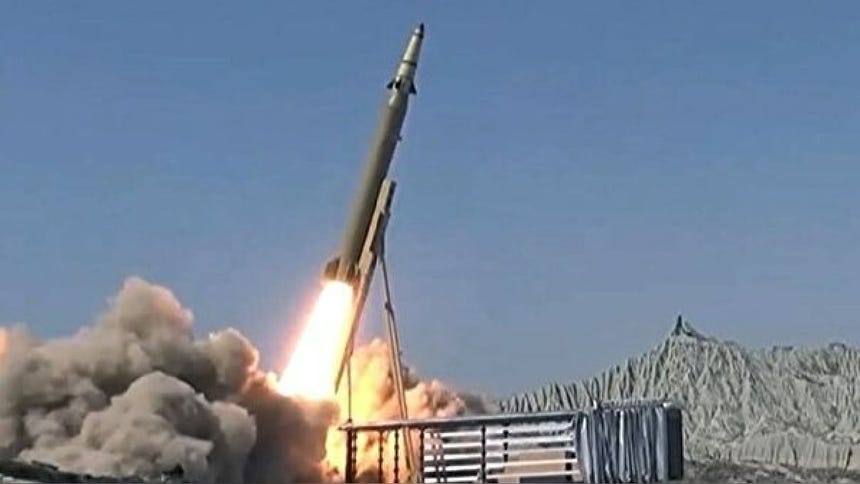
The Middle East is on high alert following a series of missile attacks launched by Iran on Saturday, February 28, 2026, targeting military installations in Qatar, the United Arab Emirates (UAE), Bahrain, and Kuwait. The attacks, confirmed by multiple defense ministries, represent a significant escalation in regional tensions, occurring against a backdrop of ongoing conflict with Israel and the United States. The Iranian state-run news agency Mehr reported that the attacks were a direct response to recent joint military operations conducted by Israel and the U.S. Against targets within Iran, and a warning against any further support for Israel from regional partners. This complex situation underscores the fragility of peace in the region and raises concerns about a wider, protracted conflict.
According to statements released by Iranian officials, any nation providing support to Israel will be considered a legitimate target. A spokesperson for the Iranian Armed Forces General Staff, as cited by Mehr, stated, “Any base in the region that helps Israel will be our target.” This declaration signals a broadening of potential conflict zones and a direct threat to U.S. Military presence in the Gulf. The attacks are being viewed as a demonstration of Iran’s capabilities and resolve, as well as a warning to regional actors. The timing of these attacks is particularly sensitive, coming after a period of heightened rhetoric and military posturing from all sides.
Confirmed Attacks and Regional Responses
The attacks targeted key military facilities across the region. Qatar’s Ministry of Defense confirmed that an attack on Al Udeid Air Base, one of the largest U.S. Military installations in the Middle East, was “successfully thwarted,” though details remain limited. PBS News is providing live updates on the situation. Similarly, Kuwait’s Al Salem Air Base was reportedly targeted, with images circulating online showing smoke plumes near populated areas. The UAE’s Ministry of Defense reported a “flagrant attack” using ballistic missiles, stating that several missiles were successfully intercepted, but two did land in a residential area of Abu Dhabi, causing material damage and tragically resulting in the death of one Asian citizen. The BBC has published a detailed report on what is known about the joint U.S.-Israel attack on Iran that preceded these events.
Bahrain’s official news agency confirmed an attack targeting the U.S. Navy’s Fifth Fleet within its territory. Videos shared by Iranian state media, Press TV, depicted smoke rising from a location near the coastline in Bahrain, suggesting significant damage. Images similarly emerged purportedly showing the aftermath of an attack in Kuwait, with a large column of smoke visible near the port area. These visual confirmations, while originating from Iranian sources, align with reports from regional defense ministries acknowledging the attacks.
U.S. And Israeli Response & Broader Context
These attacks by Iran follow closely on the heels of joint military operations conducted by the United States and Israel against targets within Iran. Details regarding the nature and extent of those operations remain somewhat limited, but reports indicate strikes targeting Iranian nuclear facilities and military infrastructure. WHYY provides further context on the U.S.-Israel attacks on Iran. The Iranian Revolutionary Guard Corps (IRGC) had previously announced the commencement of a first wave of missiles and drones targeting Israel, signaling a direct retaliatory response to the earlier strikes.
The current escalation represents a dangerous turn in the long-standing geopolitical rivalry between Iran and Israel, with the United States playing a crucial, and increasingly precarious, role. The U.S. Maintains a significant military presence in the Gulf region, ostensibly to ensure regional stability and protect shipping lanes. However, the attacks on bases in Qatar, Kuwait, and Bahrain directly threaten those forces and raise the possibility of a direct confrontation. The situation is further complicated by Iran’s nuclear program, which continues to be a source of international concern. The potential for miscalculation and unintended consequences is extremely high, and diplomatic efforts to de-escalate the situation are urgently needed.
Impact on Regional Stability and Global Energy Markets
The attacks have already had a noticeable impact on regional stability. Several countries, including Qatar, announced the temporary closure of their airspace, disrupting air travel and prompting airlines to reroute flights. Authorities in affected nations have urged citizens to remain indoors and avoid proximity to military installations. The disruption to air travel and the heightened security concerns are likely to have economic repercussions, particularly for tourism and trade.
the escalating tensions are likely to impact global energy markets. The Middle East is a critical region for oil and gas production, and any disruption to supply could lead to price increases. The Strait of Hormuz, a narrow waterway through which a significant portion of the world’s oil supply passes, is particularly vulnerable to disruption. The potential for attacks on oil tankers or infrastructure in the region is a major concern for global energy security. Analysts are closely monitoring the situation and assessing the potential impact on oil prices and supply chains.
Looking Ahead
The immediate future remains uncertain. Further retaliatory strikes from Israel or the United States are widely anticipated, and Iran has warned of additional attacks if its interests are threatened. The international community is calling for restraint and urging all parties to engage in dialogue to de-escalate the situation. However, the deep-seated mistrust and animosity between Iran and its regional adversaries build a peaceful resolution challenging. The United Nations Security Council is expected to convene an emergency session to discuss the crisis and explore potential diplomatic solutions.
The next key development to watch will be the response from the U.S. And Israel to the Iranian attacks. Statements from the White House and Israeli government officials are expected in the coming hours, outlining their next steps. The international community will be closely monitoring these developments, hoping for a diplomatic resolution to prevent a wider conflict. The situation remains fluid and highly volatile, requiring careful analysis and a commitment to peaceful dialogue.
What are your thoughts on the escalating tensions in the Middle East? Share your comments below and share this article with your network.