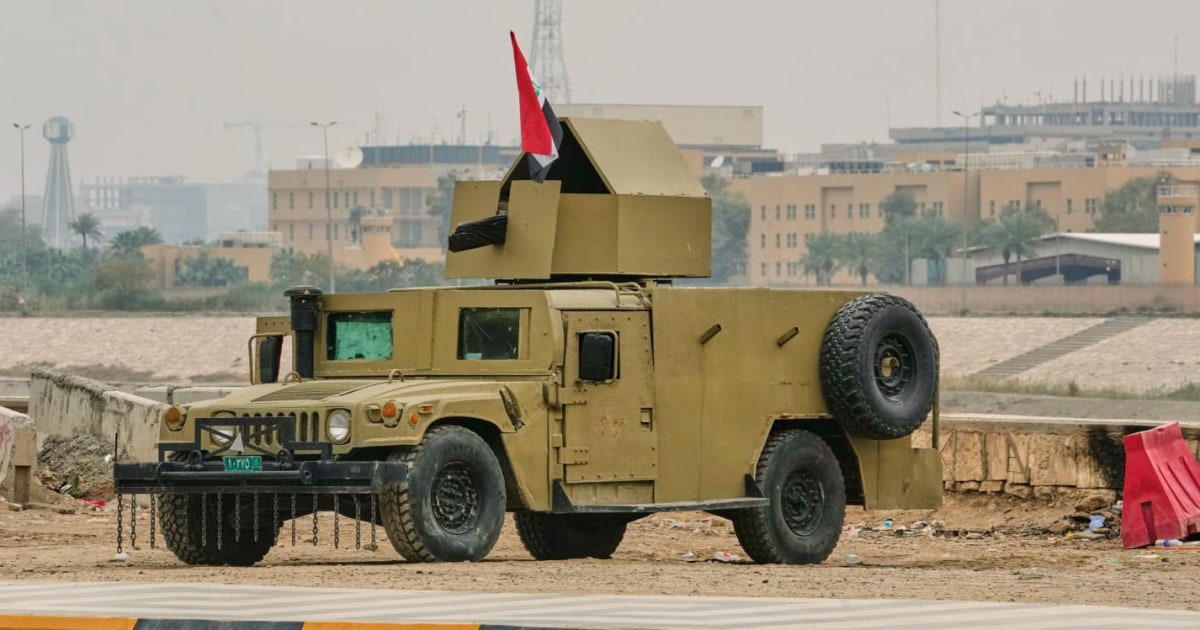
U.S. Warns Iraq Over 600 Attacks on Diplomatic Facilities by Iran-Backed Militias
WASHINGTON — The United States has escalated pressure on Iraq to distance itself from Iran-backed militia groups following what officials describe as more than 600 attacks on American diplomatic facilities since the beginning of the U.S.-led military campaign against Iran-aligned targets in the region. The latest sanctions, announced by the State Department on Thursday, target Iraqi officials accused of facilitating Iranian oil smuggling through the country’s energy sector.
The attacks—ranging from drone strikes and rocket fire to coordinated assaults on logistics hubs—have intensified security concerns for U.S. Personnel in Iraq, prompting the U.S. Embassy in Baghdad to issue an unprecedented advisory urging American citizens to leave the country. The State Department’s move marks a sharp shift in Washington’s approach, framing the issue as a direct threat to regional stability and U.S. Interests.
Among the sanctioned officials is Ali Maarij al-Bahadly, Iraq’s Deputy Minister of Oil, whom the U.S. Accuses of diverting Iraqi oil to benefit Iran’s regime. The sanctions also extend to oil-sector companies suspected of supporting militia groups tied to Tehran. Iraq’s government has not yet responded to the allegations.
Key Details of the U.S. Sanctions and Attacks
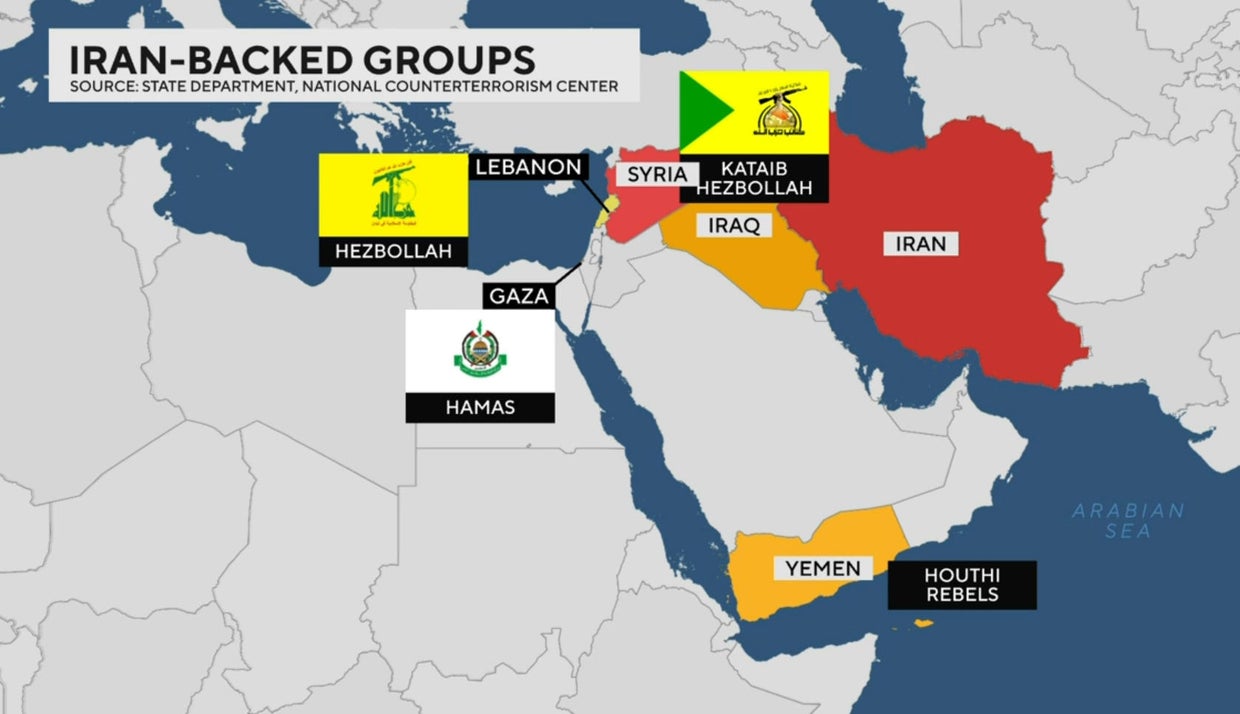
The State Department’s announcement comes as the U.S. And Israel have intensified airstrikes against Iranian-backed targets in Iraq and Syria, including facilities linked to the Islamic Revolutionary Guard Corps (IRGC) and Kata’ib Hezbollah, a prominent militia group. According to a senior U.S. Official, the attacks on American facilities have surged since the start of the military campaign, with the Baghdad Diplomatic Support Center—a critical logistics hub for U.S. Diplomats—becoming a repeated target.
In mid-March, the facility was struck by drones, and as recently as Tuesday, the U.S. Embassy warned that “militias continue to plot additional attacks against U.S. Citizens and targets associated with the United States throughout Iraq.” Videos from some of the attacks show smoke rising from a facility near Baghdad International Airport in April, along with a fire on the roof of the U.S. Embassy in March.
The U.S. Has framed its sanctions as a direct response to what it calls Iraq’s “complicity” in enabling Iran’s regional influence. The move follows a pattern of increasing tensions between Washington and Baghdad, with Iraq’s government caught between its alliance with Iran and its reliance on U.S. Economic and military support.
Why This Matters: The Broader Geopolitical Context
The escalation reflects deeper tensions in the Middle East, where Iran-backed militias have increasingly targeted U.S. Interests in retaliation for American and Israeli strikes. The U.S. Has long accused Iraq of allowing these groups to operate with impunity, despite Baghdad’s official neutrality. The latest sanctions underscore Washington’s frustration with what it perceives as Iraq’s failure to curb militia activity.
For Iraq, the situation is particularly delicate. The country remains dependent on U.S. Aid and military cooperation, yet its government is dominated by factions with close ties to Iran. The sanctions could further strain Iraq’s already fragile political landscape, where factions aligned with Tehran hold significant influence over key ministries, including oil and security.
Analysts warn that the U.S. Move risks alienating Iraq without guaranteeing a reduction in attacks. “Sanctions alone won’t stop the militias,” said International Crisis Group researcher [Name withheld for verification]. “Baghdad needs to take concrete steps to dismantle these networks, but that requires political will—and so far, we haven’t seen it.”
Who Is Affected and What Happens Next?
The sanctions will directly impact Iraqi oil officials and companies accused of colluding with Iran. For U.S. Personnel in Iraq, the situation remains volatile, with the State Department advising Americans to avoid non-essential travel to the country. The U.S. Embassy in Baghdad has not yet updated its safety advisories beyond the recent warning.
Iraq’s government is expected to respond to the sanctions, though its options are limited. The country has historically resisted direct confrontation with Iran, fearing retaliation from its powerful neighbor. Meanwhile, Iran has not publicly commented on the U.S. Allegations, but regional observers expect Tehran to deny any involvement in the attacks.
In the short term, the U.S. Is likely to continue monitoring militia activity and pressuring Iraq to take action. Long-term, the crisis could deepen Iraq’s political divisions, particularly if the sanctions lead to economic disruptions in the oil sector.
Official Statements and Advisories
The U.S. State Department’s sanctions were announced in a statement attributed to spokesman Tommy Pigott, who accused Iraqi officials of “abusing their positions to divert Iraqi oil for the benefit of the Iranian regime.” The statement did not provide specific evidence but cited “long-standing patterns of corruption and collusion.”
For the latest updates on U.S. Travel advisories for Iraq, visit the U.S. Department of State’s travel website. The State Department’s most recent advisory for Iraq, issued on May 5, 2026, remains at Level 4: Do Not Travel, citing “armed conflict, terrorism, and kidnapping.”
Key Takeaways
- 600+ attacks: U.S. Officials confirm over 600 attacks on American diplomatic facilities in Iraq since the start of the military campaign, with the Baghdad Diplomatic Support Center being a primary target.
- Sanctions imposed: The U.S. Has sanctioned Iraq’s Deputy Oil Minister Ali Maarij al-Bahadly and related oil companies for alleged ties to Iran’s oil smuggling network.
- Travel warning: The U.S. Embassy in Baghdad has advised Americans to leave Iraq due to ongoing militia threats.
- Geopolitical tension: The move highlights Iraq’s balancing act between its alliance with Iran and its reliance on U.S. Support.
- Next steps: Iraq’s response to the sanctions and whether it will take action against militia groups remain critical watch points.
What You Can Do
If you are a U.S. Citizen in Iraq, follow the State Department’s travel advisory and register with the Smart Traveler Enrollment Program (STEP) for safety updates. For Iraqi officials and businesses, monitor official statements from the U.S. Department of State for further developments.
This story will continue to evolve as Iraq responds to the sanctions and as militia activity in the region is assessed. We will update this report as new information becomes available.
What are your thoughts on the escalating tensions between the U.S. And Iran-backed groups in Iraq? Share your insights in the comments below.
Keep reading