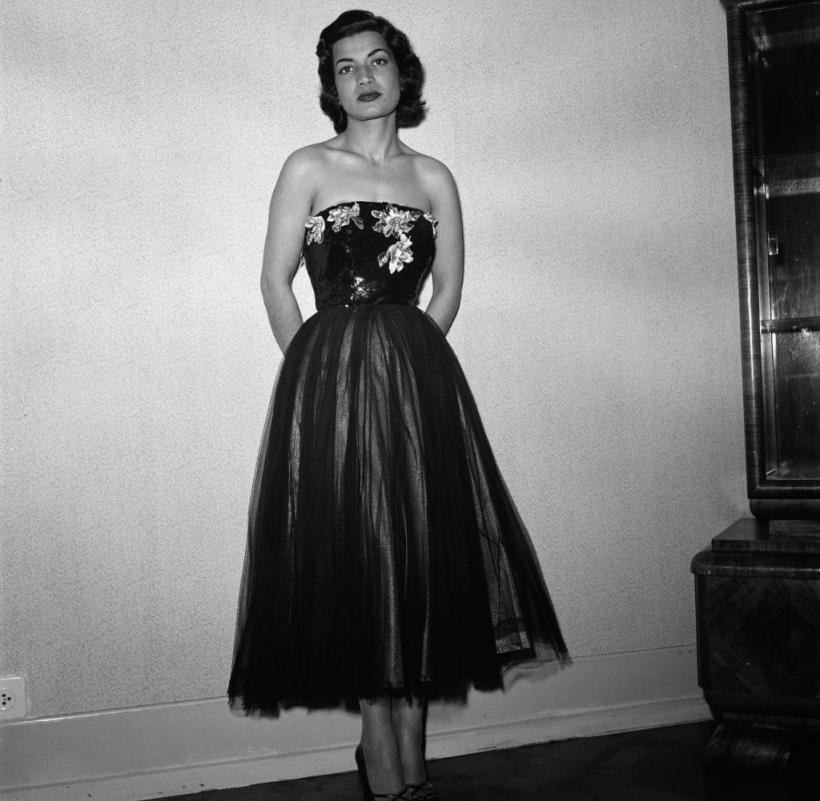
A Glimpse into Pre-Revolutionary Iran: Life Before 1979
For many around the world, Iran is defined by the Islamic Republic established in 1979. But before the revolution, Iran – then known as the Imperial State of Iran – was a dramatically different nation, undergoing a period of rapid modernization and Western influence under the Pahlavi dynasty. Understanding this era is crucial to grasping the complexities of modern Iran and the forces that shaped its current trajectory. This article delves into the social, economic and political landscape of Iran in the years leading up to the revolution, offering a portrait of a country on the cusp of profound change.
The period preceding the 1979 revolution was marked by a fascinating, and often contradictory, blend of tradition and modernity. While the Shah, Mohammad Reza Pahlavi, pursued a pro-Western agenda focused on economic development and secularization, deep-seated social and religious conservatism persisted within Iranian society. This tension, coupled with growing economic disparities and political repression, ultimately fueled the widespread discontent that culminated in the revolution. The changes were sweeping, impacting everything from women’s rights and education to cultural expression and the role of religion in public life.
The seeds of the revolution were sown long before 1978, with earlier periods of unrest and calls for constitutional reform. The Constitutional Revolution of 1905-1907, for example, sought to limit the power of the Qajar dynasty and establish a parliament, the Majlis. But, these early attempts at reform were often thwarted by internal divisions and external interference, particularly from Russia and Great Britain. The Pahlavi dynasty, which came to power in 1925, continued the modernization efforts but also maintained a strong centralized authority, often at the expense of political freedoms.
Economic Transformation and Growing Disparities
Under the Shah, Iran experienced significant economic growth, largely driven by its vast oil reserves. The discovery and exploitation of oil transformed the Iranian economy, generating substantial revenue for the state. This wealth was channeled into ambitious development projects, including infrastructure improvements, industrialization, and educational reforms. However, the benefits of this economic boom were not evenly distributed. A significant gap emerged between the wealthy elite, often connected to the ruling regime, and the majority of the population, particularly in rural areas.
The rapid modernization process also led to significant social disruption. Traditional agricultural practices were challenged by large-scale industrialization, and many rural Iranians migrated to urban centers in search of work. This influx of migrants strained urban infrastructure and contributed to overcrowding and unemployment. The economic policies, often influenced by Western advisors, were criticized for prioritizing economic growth over social welfare and for neglecting the needs of the poor. According to the Britannica, this economic turmoil was a key factor in the growing discontent that ultimately led to the revolution.
Social and Cultural Shifts
The Shah’s modernization program extended beyond the economic sphere, encompassing significant social and cultural changes. One of the most notable aspects of this transformation was the expansion of women’s rights. The Shah granted women the right to vote in 1963 and implemented policies aimed at increasing their access to education and employment. This led to a greater presence of women in public life, but also sparked opposition from conservative religious groups who viewed these changes as a threat to traditional Islamic values.
Western cultural influences also became increasingly prevalent in Iranian society. American music, movies, and fashion gained popularity, particularly among the urban middle class. This cultural shift was seen by some as a positive sign of progress and openness, while others viewed it as a form of cultural imperialism. The Pahlavi regime actively promoted Western culture as part of its modernization agenda, but this policy alienated many Iranians who felt that it undermined their national identity and religious beliefs. The World History Encyclopedia highlights the Pahlavi dynasty becoming a symbol of Western immorality and religious sacrilege.
Political Repression and the Rise of Opposition
Despite the economic and social changes, the Shah’s regime remained authoritarian. Political opposition was suppressed, and dissent was often met with harsh repression. The Shah relied heavily on the SAVAK, his secret police, to monitor and control the population. The SAVAK was notorious for its apply of torture and intimidation, and its actions fueled widespread fear and resentment.
Opposition to the Shah came from a variety of sources, including religious leaders, intellectuals, students, and leftist political groups. Ayatollah Ruhollah Khomeini, a prominent Shia cleric, emerged as a leading voice of dissent. Khomeini, who was exiled from Iran in 1964, criticized the Shah’s policies and called for the establishment of an Islamic government. His sermons and writings, smuggled into Iran, resonated with many Iranians who were disillusioned with the Shah’s regime. The Wikipedia entry on the Iranian Revolution details Khomeini’s exile as a key catalyst for the uprising.
The Escalation to Revolution
By 1978, protests against the Shah’s regime had become increasingly frequent and widespread. These protests were often sparked by specific events, such as the publication of a derogatory article about Khomeini in a state-controlled newspaper. The protests quickly escalated into violent clashes between demonstrators and security forces. The government responded with increasingly harsh measures, further fueling the unrest.
The turning point came in September 1978, when the “Black Friday” massacre occurred in Tehran’s Jaleh Square. Security forces opened fire on peaceful protesters, killing hundreds of people. This event galvanized the opposition and marked a significant escalation in the conflict. As protests continued throughout the winter of 1978-1979, the Shah’s authority steadily eroded. In January 1979, he left Iran, paving the way for Khomeini’s triumphant return from exile on February 1, 1979. Eleven days later, on February 11, 1979, the revolution was complete, and the Pahlavi dynasty was overthrown, ushering in a latest era for Iran.
Key Takeaways
- Pre-revolutionary Iran was a nation undergoing rapid modernization under the Shah, but this progress came at the cost of growing economic disparities and political repression.
- The Shah’s policies, while aimed at modernization, alienated many Iranians who felt that they undermined their national identity and religious beliefs.
- Ayatollah Khomeini emerged as a powerful voice of dissent, mobilizing opposition to the Shah’s regime and calling for the establishment of an Islamic government.
- The 1979 revolution was the culmination of decades of discontent and marked a profound turning point in Iranian history.
The legacy of pre-revolutionary Iran continues to shape the country today. Understanding the social, economic, and political forces that led to the revolution is essential for comprehending the complexities of modern Iran and its role in the world. As Iran navigates the challenges of the 21st century, the echoes of its past remain ever-present, influencing its domestic policies and its foreign relations. The ongoing debates surrounding Iran’s future will undoubtedly be informed by the memories and experiences of those who lived through this transformative period.
Looking ahead, the internal dynamics within Iran and its relationship with the international community will continue to be closely watched. Further analysis of the economic and political factors influencing Iran’s trajectory will be crucial for understanding its evolving role on the global stage. Share your thoughts and perspectives on this pivotal moment in history in the comments below.
Worth a look