The fragile peace in the Middle East has fractured once again. Less than 24 hours after the United States and Iran announced a ceasefire agreement, the region has plummeted back into high-tension escalation. In a swift and severe response to a massive Israeli offensive in Lebanon, Iran has moved to block the Strait of Hormuz, a critical artery for global energy supplies, threatening the stability of international oil markets.
The crisis intensified on Wednesday, April 8, 2026, when Israel launched what it described as its largest offensive since the start of the current conflict in Lebanon. According to reports from the Lebanese civil defense, Israeli forces carried out approximately 100 airstrikes across multiple locations within a ten-minute window, resulting in at least 254 deaths and 1,167 injuries via Fars News Agency. The timing of these strikes—occurring just hours after a ceasefire took effect—has ignited a diplomatic firestorm between Washington, Tehran and Tel Aviv.
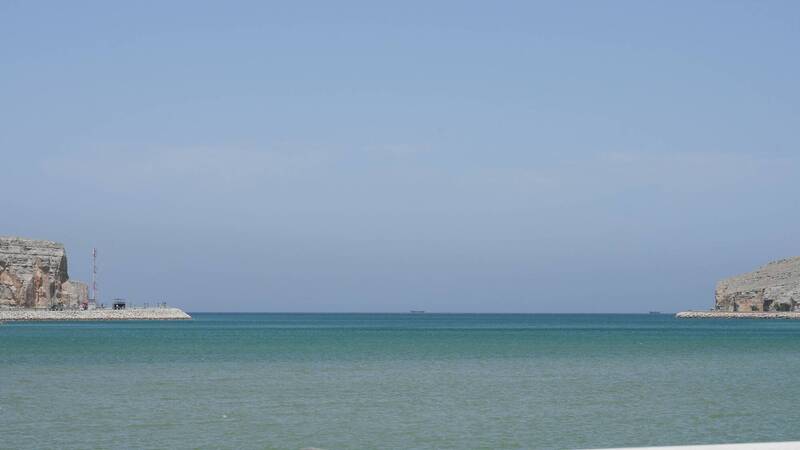
In direct retaliation for the strikes on Hezbollah targets in Lebanon, Iran has declared a “full blockade” of the Strait of Hormuz. The Islamic Revolutionary Guard Corps (IRGC) has issued warnings to all vessels in the region, stating that any ship navigating the strait must obtain explicit permission from the IRGC or risk being “targeted” or “destroyed” via Fars News Agency. This move effectively halts the flow of oil through one of the world’s most sensitive maritime chokepoints, where roughly one-fifth of the global petroleum supply typically passes.
The sudden blockade has sent immediate shockwaves through the global economy. Crude oil prices surged shortly after reports emerged that tankers were being intercepted in the strait. Brent and West Texas Intermediate (WTI) futures both climbed by approximately $2 in a short window, reflecting investor anxiety over a prolonged disruption to the international supply chain via TVBS News.
The Collapse of the U.S.-Iran Ceasefire
The current volatility follows a diplomatic breakthrough reached on Tuesday evening between the administration of U.S. President Donald Trump and the government in Tehran. The agreement was designed to temporarily lower regional conflict risks through a two-week ceasefire. A central pillar of this deal was the “reopening of the Strait of Hormuz,” which had been subject to various restrictions via Fars News Agency.
However, the agreement appears to have been built on a fundamental misunderstanding or a strategic omission regarding the Lebanese front. Whereas the U.S. And Iran viewed the ceasefire as a step toward broader stability, Israel—which was reportedly not informed of the specific terms—continued its military operations against Hezbollah. This discrepancy has led Iran to accuse Israel of violating the spirit, if not the letter, of the agreement. Reports indicate that Iran may now formally withdraw from the two-week ceasefire entirely if Israeli attacks on Lebanon persist via Tasnim News Agency.
President Trump has since urged Iran to ensure that oil and gas shipments remain unobstructed to avoid a global economic crisis. Yet, the IRGC has maintained a hardline stance, with ships in the Persian Gulf and the Gulf of Oman receiving broadcasts explicitly stating that the strait remains blocked and unauthorized passage is prohibited via Fars News Agency.
Maritime Security and the IRGC Warning
The Iranian maritime authorities and port organizations have released a “safe navigation map” for the waters of the Strait of Hormuz. While this map is intended to help ships avoid naval mines, it serves as a stark reminder of the militarized state of the waterway. The IRGC’s insistence on “permission-based” navigation effectively transforms a sovereign international passage into a controlled zone under Tehran’s authority.
The impact on shipping is immediate. By Wednesday afternoon, maritime activity in the strait had effectively come to a complete standstill via Fars News Agency. The interception of tankers has already been reported, prompting immediate reactions in the energy markets. For the global community, this represents a critical vulnerability; the Strait of Hormuz is the only viable route for the massive quantities of oil exported from the Persian Gulf.
Why the Strait of Hormuz Matters
To understand the gravity of this blockade, one must look at the geography of global energy. The strait is a narrow waterway connecting the Persian Gulf with the Gulf of Oman and the Arabian Sea. Given that You’ll see few practical alternatives for transporting the volume of oil produced in the region, any closure—even a partial one—leads to an immediate spike in global benchmarks. The current “full blockade” is a strategic lever used by Iran to pressure international actors to curb Israeli military activity in Lebanon.
Humanitarian Crisis in Lebanon
While the world watches the oil markets, the situation on the ground in Lebanon has turned catastrophic. The scale of the Israeli offensive on Wednesday is unprecedented in the current round of conflict. The rapid-fire nature of the strikes—roughly 100 attacks in just 10 minutes—has left Lebanese emergency services overwhelmed via Lebanese Civil Defense.
The casualty figures are staggering: at least 254 people killed and 1,167 injured in a single day of operations. These strikes targeted various locations across Lebanon, primarily focusing on Hezbollah infrastructure. The intensity of the bombardment suggests a shift in Israeli strategy, moving toward a high-intensity campaign regardless of the diplomatic maneuvers occurring between the U.S. And Iran.
Key Takeaways of the Current Crisis
- Diplomatic Failure: A U.S.-Iran ceasefire lasted less than 24 hours due to continued Israeli strikes in Lebanon.
- Economic Risk: Iran has implemented a “full blockade” of the Strait of Hormuz, causing immediate oil price increases.
- Human Toll: Israeli airstrikes in Lebanon resulted in at least 254 deaths and over 1,100 injuries on April 8.
- Maritime Threat: The IRGC has warned that unauthorized vessels in the strait may be “targeted” or “destroyed.”
What Happens Next?
The immediate future of the region depends on whether the U.S. Can broker a new agreement that explicitly includes the Lebanese front or if Israel continues its offensive. Iran has made it clear that the reopening of the Strait of Hormuz is contingent upon the cessation of attacks in Lebanon. If the IRGC continues to intercept tankers, the pressure on the Trump administration to intervene more aggressively in the Israel-Lebanon conflict will increase.

Global markets will be monitoring the next 48 hours closely for any signs of “restrictive” reopening of the strait, as previously hinted at by Iranian officials during pre-ceasefire talks via TVBS News. However, with the current level of hostilities, a return to normal maritime traffic appears distant.
The next critical checkpoint will be the official response from the Iranian government regarding whether they will formally withdraw from the two-week ceasefire agreement with the United States.
We invite our readers to share their perspectives on this developing crisis in the comments below. Please share this report to keep your network informed on global geopolitical shifts.
Worth a look