Iran Demands Decisive Action on Gaza: A Shift in OIC Strategy?
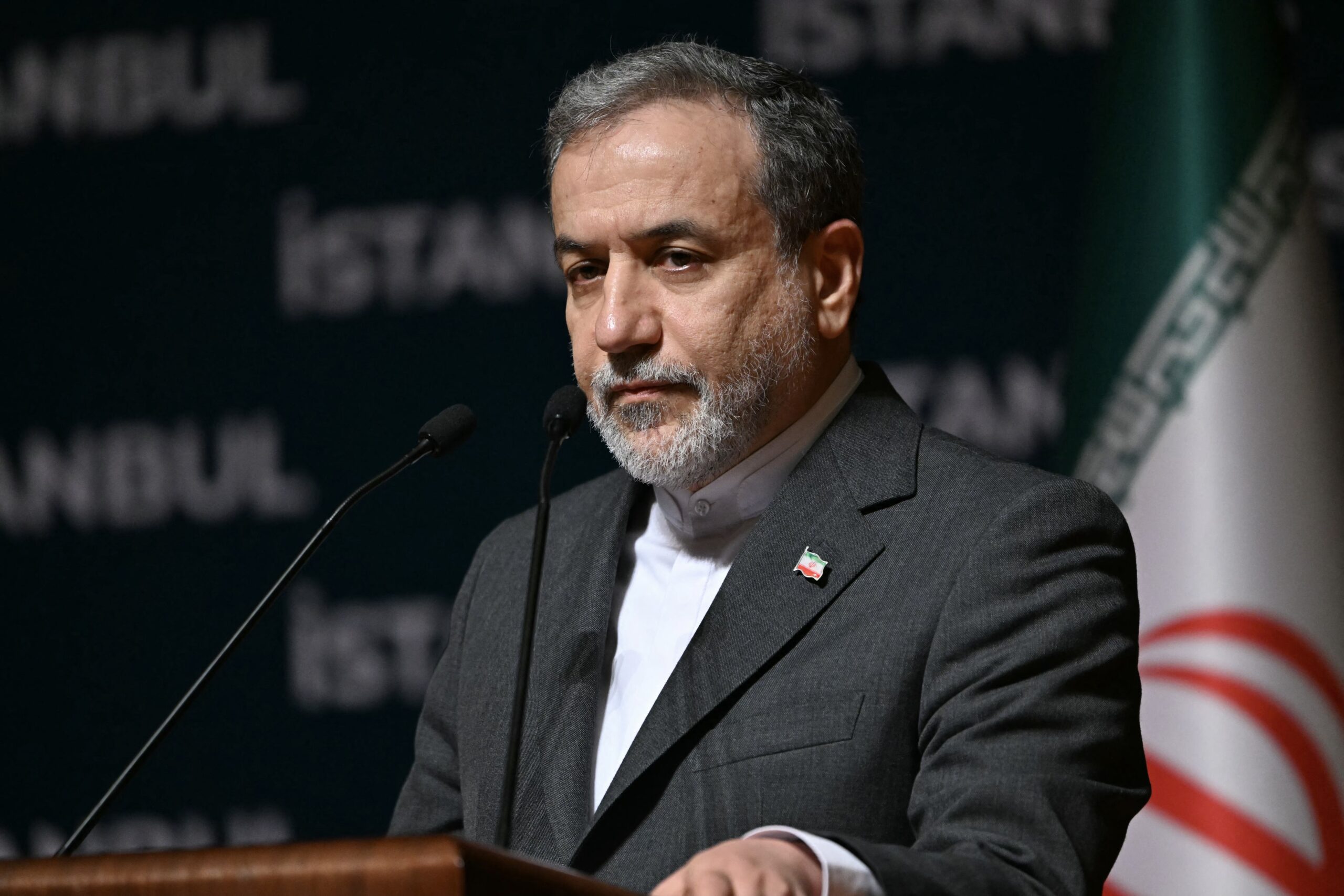
The escalating crisis in Gaza has prompted a forceful call for action from Iran’s Foreign Minister, Abbas Araghchi, challenging the Organization of Islamic Cooperation (OIC) to move beyond condemnation and implement concrete measures against Israel. Speaking at an extraordinary ministerial session in Jeddah on August 25th, Araghchi delivered a stark message: the time for symbolic gestures is over.This intervention signals a potential inflection point in the OIC’s approach to the Israeli-Palestinian conflict, and a intentional attempt by Iran to galvanize a unified Muslim response.
Why is Iran Taking This Stance Now?
Iran’s increasingly assertive position stems from a growing frustration with what it perceives as decades of ineffective OIC resolutions. While the organization has consistently issued statements criticizing Israeli actions, these have rarely translated into tangible consequences for Israel. The current situation in Gaza – characterized by soaring casualties, widespread destruction, and looming famine - has reached a critical juncture, prompting Tehran to push for a more impactful strategy. This isn’t simply a matter of Palestinian solidarity for Iran; it’s framed as a test of global morality and justice.
Araghchi’s Four-Point Plan for Action
Araghchi presented a comprehensive four-point proposal designed to exert maximum pressure on Israel and its supporters. The plan calls for:
- Complete Severance of Ties: An immediate cessation of all diplomatic, economic, and cultural relations with israel. This represents a notable escalation, moving beyond limited sanctions to a complete break in engagement.
- comprehensive Sanctions: the imposition of broad-ranging political and economic sanctions targeting Israel’s economy. these sanctions would aim to cripple Israel’s ability to sustain its military operations and occupation.
- International War Crimes Prosecution: the pursuit of legal action against Israeli officials accused of war crimes through international courts, such as the International Criminal Court (ICC). This seeks to establish individual accountability for alleged violations of international law.
- Resistance to External Support: Coordinated resistance against nations providing Israel with weapons, diplomatic cover, or financial aid. This directly challenges the role of key international actors, particularly the United States.
Beyond Israel: Targeting the ‘Protectors’
A crucial element of iran’s strategy is the explicit naming and challenging of Israel’s international backers. Araghchi directly criticized countries, particularly the United States, for providing military assistance and shielding Israel from accountability within international forums. This broadening of the scope of responsibility aims to shame governments perceived as enabling the conflict and to disrupt the flow of support that sustains Israel’s actions. This tactic is designed to increase the political cost of supporting Israel.
A Rare Alignment with Egypt & the Search for Muslim Unity
Interestingly, iran’s push for a unified Muslim response has found unexpected common ground with Egypt. Araghchi held discussions with his Egyptian counterpart, revealing a shared urgency in halting the bloodshed and accelerating humanitarian relief to Gaza.This alignment is noteworthy given the often-strained relationship between Cairo and Tehran, highlighting the exceptional circumstances driving this cooperation. Iran is actively leveraging this chance to bridge political divides within the Arab world and forge a broader consensus.Will the OIC Respond? The Challenges Ahead
While Araghchi’s proposals have undoubtedly amplified pressure on the OIC, the immediate implementation of such drastic measures remains uncertain. The organization is comprised of 57 member states with diverse political interests and priorities. Achieving consensus on collective action, particularly measures that could have significant economic and political repercussions, will be a formidable challenge.
tho, the sheer scale of the humanitarian crisis in Gaza, coupled with Iran’s forceful advocacy, has placed OIC capitals in a difficult position. Analysts suggest that iran’s intervention is a calculated attempt to force a decisive choice: actively support Palestine through concrete actions, or risk being perceived as complicit in the ongoing suffering. The Jeddah meeting,therefore,represents a pivotal moment for the OIC,potentially shaping its role in the Israeli-Palestinian conflict for years to come.
Sources:
* Mehr News: https://en.mehrnews.com/news/235741/Iran-FM-proposes-4-actions-in-OIC-meeting-for-Gaza