
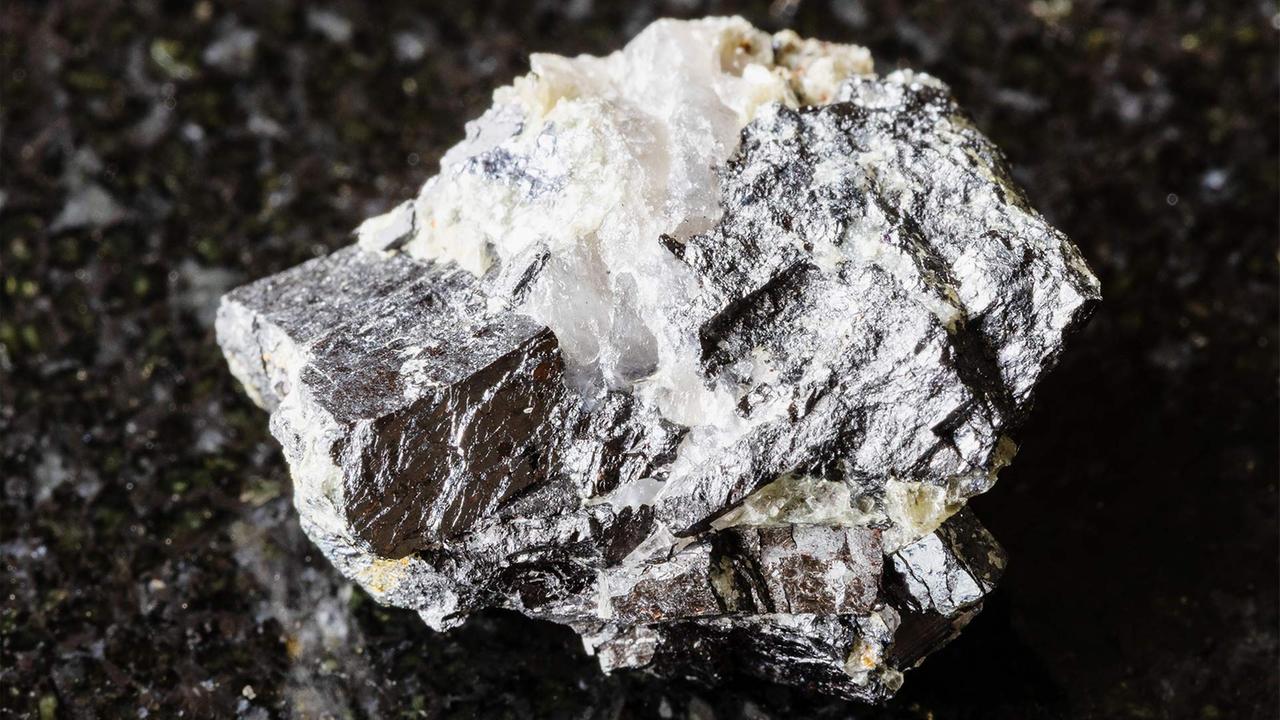
The global industrial landscape is facing a critical supply shock as the price of tungsten reaches record highs, driven by the escalating conflict in Iran and deepening geopolitical dependencies. Once primarily associated with old incandescent light bulbs, this extremely hard metal has develop into a strategic focal point for the European Union and the German economy, where it is now classified as a critical and strategic raw material.
The volatility in the tungsten market is not merely a pricing anomaly but a symptom of the intersection between high-tech manufacturing and modern warfare. Tungsten’s unique physical properties—most notably having the highest melting point of all metals at 3,422 degrees Celsius—make it indispensable for a wide array of applications, from precision machinery and electronics to armor-piercing munitions and rocket components.
Market data reveals the severity of the spike: by the end of March 2026, the price for ammonium paratungstate (APT), the primary intermediate product used in tungsten production, hit a record high of $3,150 per metric ton unit on the Rotterdam market according to reports on tungsten scarcity. This represents a price surge of approximately 50 percent since the onset of the Iran war, a trajectory comparable to the oil price rally observed during the same period.
For industrial hubs like Germany, this price jump serves as an urgent alarm signal. The reliance on a limited number of suppliers, combined with the non-recyclable nature of the metal when used in military ordnance, has created a precarious situation for the machinery and defense sectors.
The Strategic Role of Tungsten in Modern Warfare
Tungsten’s dominance in military applications is due to its density and heat resistance. In the current Iran war, the metal is a core component in rocket components and armor-piercing ammunition. Unlike industrial applications where scrap metal can often be recovered, tungsten used in missiles is lost permanently upon impact and explosion. This “one-way” consumption of the resource accelerates the depletion of available stocks and puts upward pressure on global prices.
While the West grapples with these shortages, the conflict has also highlighted a complex web of international support. Intelligence reports indicate that China is actively aiding Iran’s military capabilities. Specifically, five ships owned by the sanctioned Islamic Republic of Iran Shipping Line have delivered sodium perchlorate—a vital ingredient for solid rocket fuel—to the Iranian ports of Bandar Abbas and Chabahar as reported by 19FortyFive.
the intelligence war has evolved through the use of artificial intelligence and commercial data. Firms in China, some with links to the People’s Liberation Army (PLA), are reportedly using AI to analyze open-source imagery, flight-tracking, and shipping data. This information is used to map the movements of U.S. Carrier groups and the assembly of military aircraft for strikes on Tehran, providing the Iranian leadership with real-time operational intelligence.
Economic Implications for the European Union and Germany
The classification of tungsten as a “critical and strategic raw material” by Brussels reflects the EU’s recognition that its industrial sovereignty is at risk. The German economy is particularly vulnerable because tungsten is foundational to its “Mittelstand” (small and medium-sized enterprises) that specialize in toolmaking and mechanical engineering.
The current crisis emphasizes three primary vulnerabilities in the European supply chain:
- Geopolitical Dependence: A heavy reliance on a small number of producing nations, making the supply chain susceptible to political instability and war.
- Lack of Circularity: The inability to recycle tungsten from military applications means the industry is dependent on constant primary extraction.
- Price Volatility: The 50 percent increase in APT prices disrupts the cost structures of manufacturers, potentially leading to higher costs for end-user electronics and industrial tools.
Key Market Data at a Glance
| Metric | Value/Detail | Context |
|---|---|---|
| APT Record Price | $3,150 per metric ton unit | Rotterdam Market (End of March) |
| Price Increase | ~50% | Since start of Iran war |
| Melting Point | 3,422°C | Highest of all metals |
| EU Status | Critical & Strategic | Official Brussels classification |
The Broader Geopolitical Context
The tungsten shortage is a microcosm of a larger trend where raw materials are being weaponized or strained by geopolitical conflict. The synergy between China’s supply of rocket fuel ingredients and the intelligence provided via AI-driven analysis suggests a coordinated effort to sustain Iran’s missile program despite U.S. Bombing of production facilities.
As the U.S. Continues to target missile production sites, the replenishment of materials like sodium perchlorate and the procurement of tungsten for warheads ensure that the conflict remains a high-intensity struggle of attrition. For the global economy, In other words that the “peace dividend” of stable raw material prices has vanished, replaced by a volatile environment where military demand overrides industrial stability.
Industry experts suggest that for Germany and the EU to mitigate these risks, they must seek ways to become more independent. This includes diversifying sources of raw materials and investing in technologies that can either replace tungsten in non-critical applications or improve the recovery of the metal from industrial waste.
The situation remains fluid as the Iran war continues. The next critical checkpoint will be the ongoing monitoring of shipments to Chabahar and Bandar Abbas, as well as the price fluctuations of ammonium parawolframat on the Rotterdam exchange, which will signal whether the supply crunch is easing or intensifying.
We invite our readers to share their perspectives on the impact of raw material shortages on global industry in the comments below. Please share this report with your professional network to keep the conversation on strategic autonomy alive.