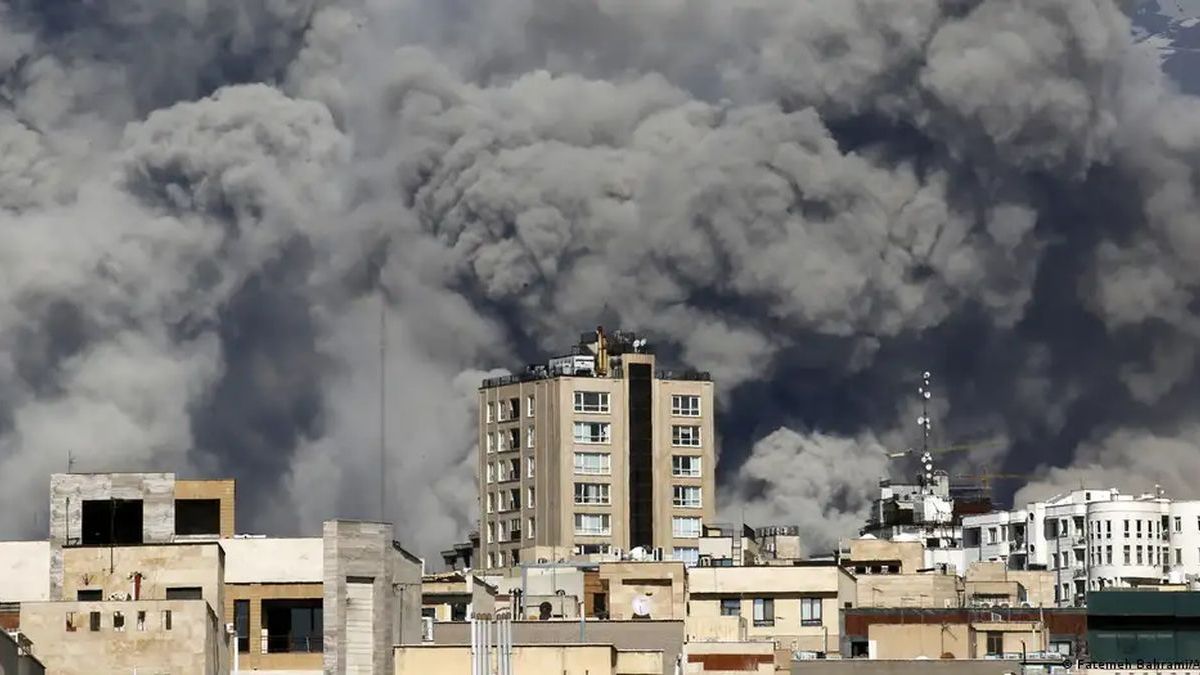
Sofia, Bulgaria – The escalating conflict between Israel and Iran, now entering its fourth day, is raising significant concerns about a wider regional war and its potential impact on global energy markets. Recent developments include continued Israeli strikes within Iran and Lebanon, coupled with retaliatory actions by Tehran targeting U.S. Bases and embassies across the Middle East. The situation is further complicated by the confirmed death of Iran’s Supreme Leader Ayatollah Ali Khamenei in a coordinated strike by the United States and Israel on February 28th, a development that dramatically shifts the geopolitical landscape.
The current crisis, rooted in a long history of tensions, has intensified rapidly. While the initial spark was the outbreak of war between Israel and Hamas in October 2023, the direct confrontation between Israel and Iran represents a dangerous escalation. The United States finds itself increasingly involved, issuing warnings to its citizens to leave the region and closing embassies in several Middle Eastern countries due to security threats. The potential for miscalculation and unintended consequences is high, prompting international calls for de-escalation and diplomatic solutions.
Intensified Strikes and Rising Death Toll
Overnight into Tuesday, Israel continued its military operations, launching simultaneous strikes on targets in Tehran and Beirut. These strikes targeted both Iranian military sites and positions held by Hezbollah, a Lebanese militant group backed by Iran. Israeli forces have also expanded their control in southern Lebanon, conducting strikes against alleged Hezbollah sites. Simultaneously, the Israeli military has imposed a complete closure of crossings in and out of the occupied West Bank, severely restricting access to essential aid for Palestinians amidst a reported increase in settler attacks.
The human cost of the conflict is mounting. According to Iran’s semi-official Tasnim news agency, more than 787 people have been killed in Iran since the beginning of the war, citing figures from the Iranian Red Crescent. One Tehran resident described a “heavy bombardment” on Monday night, stating, “It feels like an onslaught.” The situation on the ground remains fluid and difficult to assess independently, but the reported death toll underscores the severity of the conflict.
U.S. Embassy Closures and Regional Security Concerns
The United States has taken steps to protect its personnel and interests in the region, closing its embassies in Riyadh and Kuwait due to suspected Iranian drone attacks. The embassy in Riyadh was reportedly hit by two drones, prompting its closure on Tuesday. The U.S. State Department has also ordered the departure of non-emergency U.S. Government personnel and their families from Jordan, Bahrain, Iraq, Qatar, Kuwait, and the United Arab Emirates, citing escalating security concerns. These actions signal a significant deterioration in the security environment and a heightened risk of further attacks.
The coordinated attack that resulted in the death of Ayatollah Ali Khamenei, confirmed by both Israeli and U.S. Officials, was reportedly months in the planning. According to a statement from the Israeli military, the operation involved hundreds of targets across Iran. This decisive action represents a significant gamble by both countries, potentially triggering a more widespread and prolonged conflict. The attack on Khamenei, a pivotal figure in Iranian politics, is likely to fuel further retaliation and instability.
Economic Implications and Global Energy Crisis
The conflict is already having a significant impact on global energy markets. The region’s strategic importance as a major oil producer means that disruptions to supply could lead to a global energy crisis. Concerns about potential disruptions to oil shipments through the Strait of Hormuz, a critical waterway for global oil trade, are particularly acute. The potential for escalating tensions to spill over into other oil-producing countries in the region further exacerbates these concerns.
Beyond oil, the conflict threatens to disrupt other key economic sectors, including tourism and trade. The closure of airports and hotels, coupled with increased security risks, is likely to deter travelers and investors. The long-term economic consequences of the conflict could be substantial, particularly for countries in the Middle East and those heavily reliant on the region’s energy resources.
Financial Market Reactions
Initial reactions in financial markets have been complex. While the U.S. Dollar has seen some strengthening, the price of U.S. Treasury bonds has unexpectedly fallen, pushing up interest rates. This is a departure from traditional investment strategies during times of geopolitical turmoil, where investors typically seek the safety of U.S. Treasury bonds. This shift suggests a growing uncertainty about the future and a reassessment of traditional safe-haven assets. The dynamics of the bond market are being closely watched as indicators of investor sentiment and risk appetite.
International Response and Diplomatic Efforts
The international community is largely united in calling for de-escalation and a return to diplomacy. However, efforts to mediate a ceasefire have so far been unsuccessful. The United Nations has urged all parties to exercise restraint and avoid actions that could further escalate the conflict. Several countries have offered to facilitate talks, but the deep-seated mistrust between Israel and Iran, coupled with the involvement of multiple external actors, presents significant challenges to any diplomatic initiative.
The European Union has expressed its deep concern over the escalating violence and has called for an immediate end to hostilities. EU officials are working to coordinate a unified response and to explore options for providing humanitarian assistance to those affected by the conflict. The EU’s role in promoting a peaceful resolution will be crucial in the coming days and weeks.
Looking Ahead
The situation remains highly volatile and unpredictable. The death of Ayatollah Ali Khamenei introduces a recent level of uncertainty, and the potential for further retaliation is significant. The coming days will be critical in determining whether the conflict can be contained or whether it will escalate into a wider regional war. The international community must redouble its efforts to promote de-escalation and to identify a diplomatic solution that addresses the underlying causes of the conflict.
The next key development to watch will be the Iranian government’s official response to the death of its Supreme Leader and the subsequent military actions. Further escalation appears likely, but the scope and intensity of Iran’s response remain uncertain. Continued monitoring of the situation and a commitment to diplomatic engagement will be essential to prevent a catastrophic outcome. The world is watching, and the stakes could not be higher.
This is a developing story and will be updated as more information becomes available.