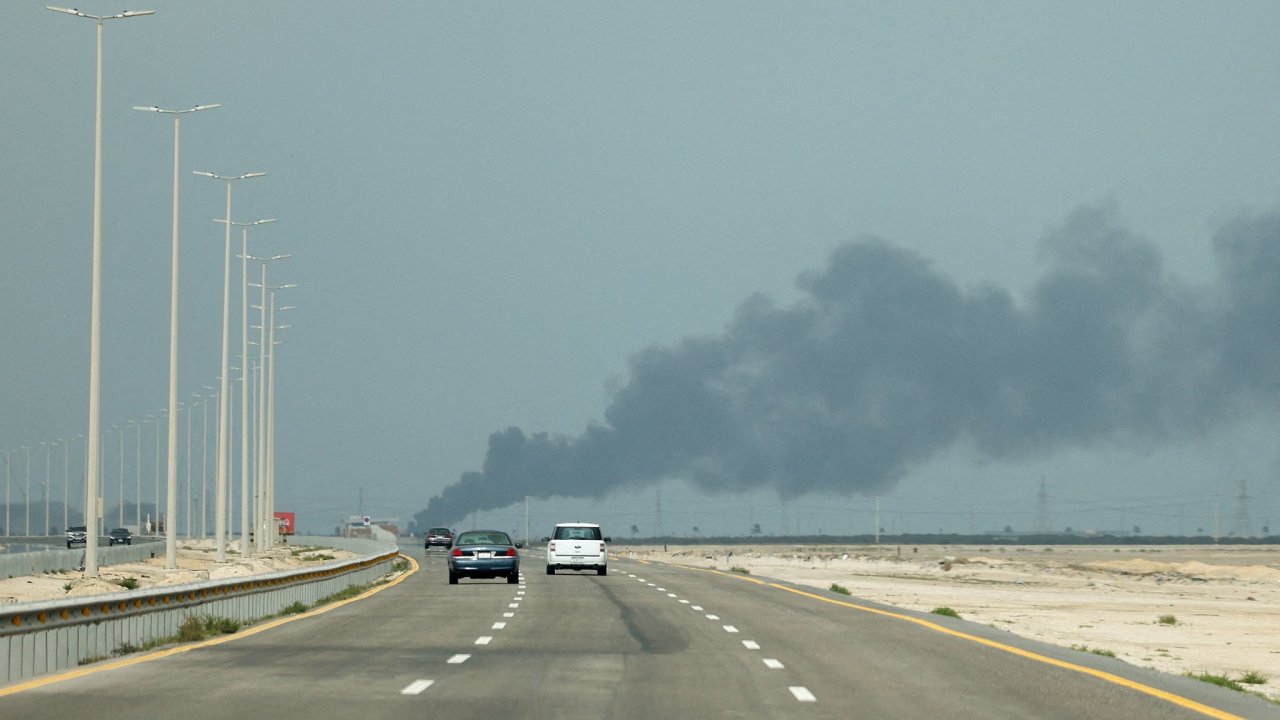
San Francisco, CA – March 2, 2026 – Global markets are reacting sharply to escalating tensions in the Middle East, with stock indices falling, oil prices surging, and investors flocking to safe-haven assets like gold. The immediate trigger for this volatility is a series of strikes impacting critical energy infrastructure, including facilities in Qatar, Saudi Arabia, and Israel, according to reports from Reuters and CNBC. The disruption to liquefied natural gas (LNG) production in Qatar is particularly concerning, sending gas prices soaring and raising fears of energy shortages, especially in Europe.
The situation unfolded rapidly over the weekend, with Iran-linked attacks targeting key energy assets. QatarEnergy has halted LNG production following the strikes, a move that sent shockwaves through global energy markets. This disruption comes at a sensitive time, as Europe continues to seek alternatives to Russian gas supplies. The price of natural gas has jumped significantly, impacting energy costs for consumers and businesses alike. Simultaneously, crude oil prices have climbed, fueled by concerns about potential supply disruptions in the region. Investors are also seeking refuge in gold, driving up its price as a traditional hedge against geopolitical instability. The Czech news outlet, Zprávy Kurzy.cz, reported gold prices climbing to 5,400 USD.
Impact on Global Energy Markets
The shutdown of Qatar’s LNG production is a major blow to the global energy supply. Qatar is one of the world’s leading exporters of LNG, and its output is crucial for meeting growing demand, particularly in Asia and Europe. The halt in production is expected to exacerbate existing supply constraints and position upward pressure on prices. Tankers are already altering course, according to reporting from Seznam Zprávy, indicating a scramble to secure alternative sources of supply. The disruption also highlights the vulnerability of critical energy infrastructure to geopolitical risks.
Beyond LNG, the strikes have also impacted oil production and refining capacity in Saudi Arabia and Israel. While the extent of the damage is still being assessed, any disruption to oil supplies could further tighten global markets and drive up prices. The combined impact of these events is creating a volatile and uncertain environment for energy traders and consumers. The situation is further complicated by ongoing geopolitical tensions in the region, including the conflict in Yemen and the broader rivalry between Iran and Saudi Arabia.
Market Reactions and Investor Sentiment
Financial markets have responded negatively to the escalating tensions. Stock markets in Europe and the United States experienced significant declines on Monday, as investors shed risk assets. The BCPP index, as reported by Zprávy Kurzy.cz, concluded the day in negative territory. There has been a notable outflow of funds, with investors shifting towards the perceived safety of the US dollar. The increased demand for the dollar has further strengthened its value against other currencies.
The surge in oil prices is also impacting transportation costs and consumer spending. Airlines and shipping companies are likely to pass on higher fuel costs to customers, leading to increased prices for goods and services. Consumers are already feeling the pinch of higher energy bills, and further price increases could dampen economic growth. The situation is particularly challenging for countries that are heavily reliant on imported energy.
Historical Precedents and Potential Scenarios
Historically, geopolitical crises in the Middle East have often led to spikes in oil prices and market volatility. The 1973 oil crisis, triggered by the Arab-Israeli War, resulted in a quadrupling of oil prices and a global recession. More recently, the attacks on Saudi Arabian oil facilities in 2019 caused a temporary surge in oil prices and heightened concerns about supply security.
Looking ahead, the situation remains highly fluid and unpredictable. The extent of the impact on global markets will depend on several factors, including the duration of the disruptions to energy supplies, the response of governments and central banks, and the broader geopolitical context. If the conflict escalates further, it could lead to a more prolonged period of market volatility and economic uncertainty. Conversely, if tensions ease and energy supplies are restored quickly, the impact could be more limited.
The Role of Geopolitical Risk
The current crisis underscores the importance of geopolitical risk in financial markets. Investors are increasingly aware of the potential for unexpected events to disrupt supply chains, trigger market volatility, and impact economic growth. There is a growing demand for strategies that can mitigate geopolitical risk, such as diversifying investments across different regions and asset classes.
The situation also highlights the need for greater energy security. Countries are seeking to reduce their reliance on single suppliers and diversify their energy sources. Investments in renewable energy and energy efficiency are becoming increasingly vital as a way to reduce vulnerability to geopolitical shocks.
Investor Strategies in Times of Uncertainty
In the face of market volatility, investors are often tempted to make rash decisions. However, it is important to remain calm and stick to a well-defined investment strategy. Here are some strategies that investors may consider in the current environment:
- Diversification: Spreading investments across different asset classes, regions, and sectors can help to reduce risk.
- Safe-Haven Assets: Investing in assets that are perceived as safe havens, such as gold and US Treasury bonds, can provide some protection during times of uncertainty.
- Long-Term Perspective: Focusing on long-term investment goals and avoiding short-term speculation can help to weather market volatility.
- Professional Advice: Seeking guidance from a qualified financial advisor can help investors make informed decisions based on their individual circumstances.
The current situation also presents opportunities for investors who are willing to take on risk. For example, energy companies that are well-positioned to benefit from higher oil and gas prices may see their stock prices rise. However, it is important to carefully assess the risks and rewards before making any investment decisions.
The attacks on energy infrastructure in the Middle East have sent ripples through global markets, triggering a flight to safety and raising concerns about energy security. The situation remains highly volatile and unpredictable, and investors should be prepared for further market fluctuations. Monitoring developments closely and adapting investment strategies accordingly will be crucial in navigating this challenging environment. The next key event to watch will be the response from international diplomatic efforts and any further escalation or de-escalation of conflict in the region.
Do you have thoughts on how these events will impact the global economy? Share your insights in the comments below.
Keep reading
- Xiaomi lance une caméra de sécurité alimentée à l’énergie solaire pour la surveillance hors réseau – Notebookcheck.fr
- TIL in 2025 three octogenarian nuns fled their nursing home and broke back into their former …
- Missouri Attorney General Faces Conflict of Interest Amid Prosecutor’s Secret Affairs (archynewsy.com)