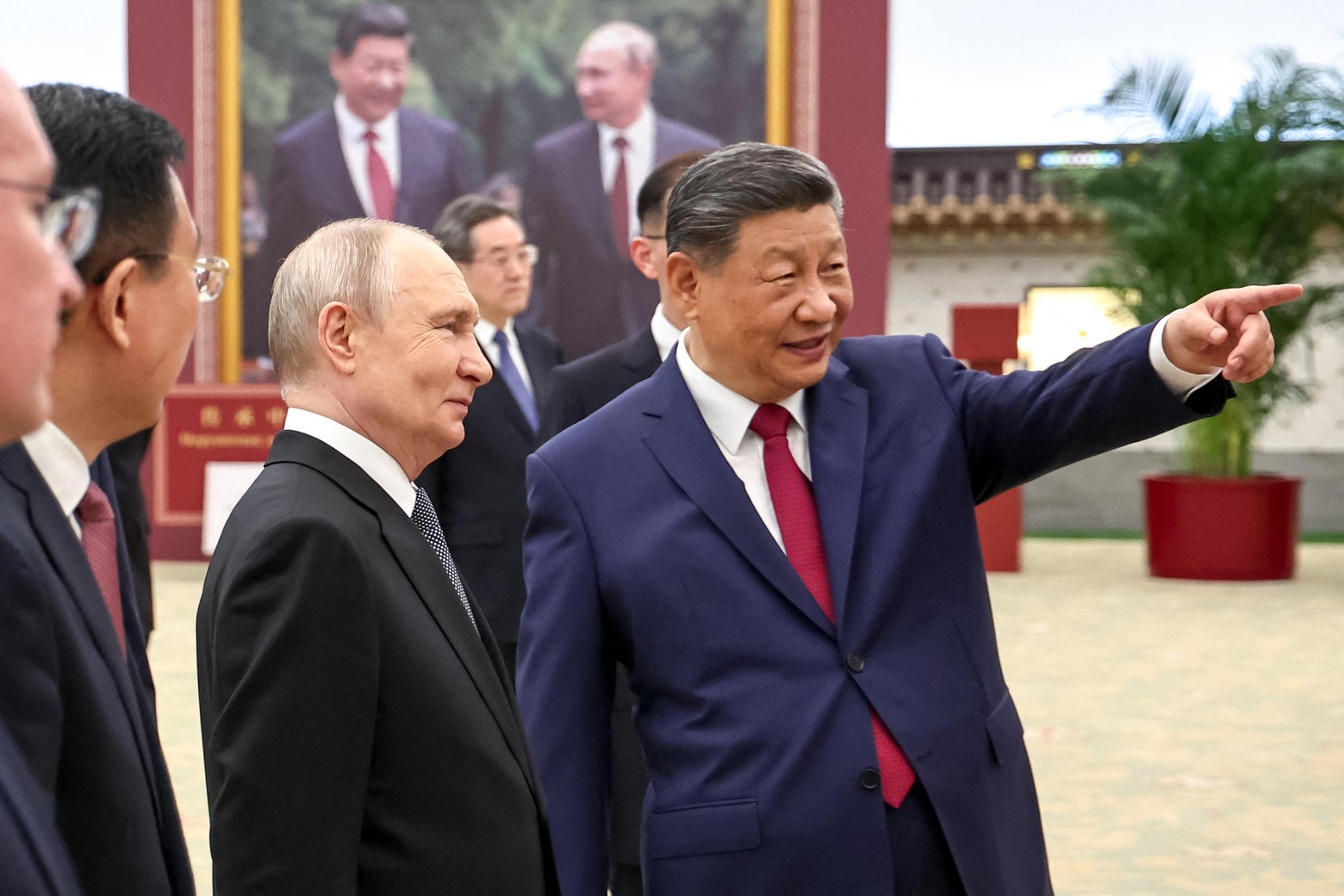
The escalating tensions in the Middle East have placed global markets and diplomatic channels in a state of high alert, as what has been described as a Trump’s Iran war scenario continues to evolve with significant geopolitical and economic consequences. As of late May 2026, the situation remains fluid, characterized by a complex interplay of military maneuvers, defensive strikes, and ongoing, fragile negotiations aimed at de-escalation.
For investors, policymakers, and the global public, the primary concern remains the stability of critical infrastructure, such as the Strait of Hormuz, and the broader impact on international trade. The latest developments in Iran highlight a deep-seated uncertainty that has rippled through financial markets, as stakeholders attempt to gauge the duration and intensity of the current conflict.
The Mechanics of a Shaky Ceasefire
The current state of affairs is defined by a paradoxical environment where military engagements persist despite the existence of a tenuous ceasefire. On Wednesday, May 27, 2026, a U.S. Official confirmed to CBS News that the American military conducted defensive strikes against Iranian military sites. This action followed earlier operations on Monday, May 25, which targeted missile launch sites and Iranian vessels identified as attempting to place mines in southern Iran. Despite these kinetic actions, the official maintained that the U.S.-Iran ceasefire is still considered to be holding.

This “defensive” posture, as characterized by the Pentagon, is designed to protect American forces and ensure the safety of commercial traffic in the region. However, the frequency of these engagements underscores the fragility of the diplomatic efforts underway. While the U.S. And Iran have appeared to be on the precipice of a deal, the reality on the ground remains volatile. President Trump has noted that while negotiations are ongoing, the possibility of a definitive end to the conflict remains uncertain, famously remarking that the parties might need to “go back and finish it.”
Geopolitical Ripple Effects and Regional Security
The conflict has not been confined to direct U.S.-Iran friction. The regional landscape is further complicated by intensified military activity involving Israel and Hezbollah. On Tuesday, May 26, Lebanese officials reported that Israeli strikes resulted in the deaths of more than 30 people, marking a significant escalation in that theater of the conflict. Israel issued evacuation orders in the vicinity of Tyre prior to launching additional strikes on Wednesday, May 27, according to reporting from CBS News.
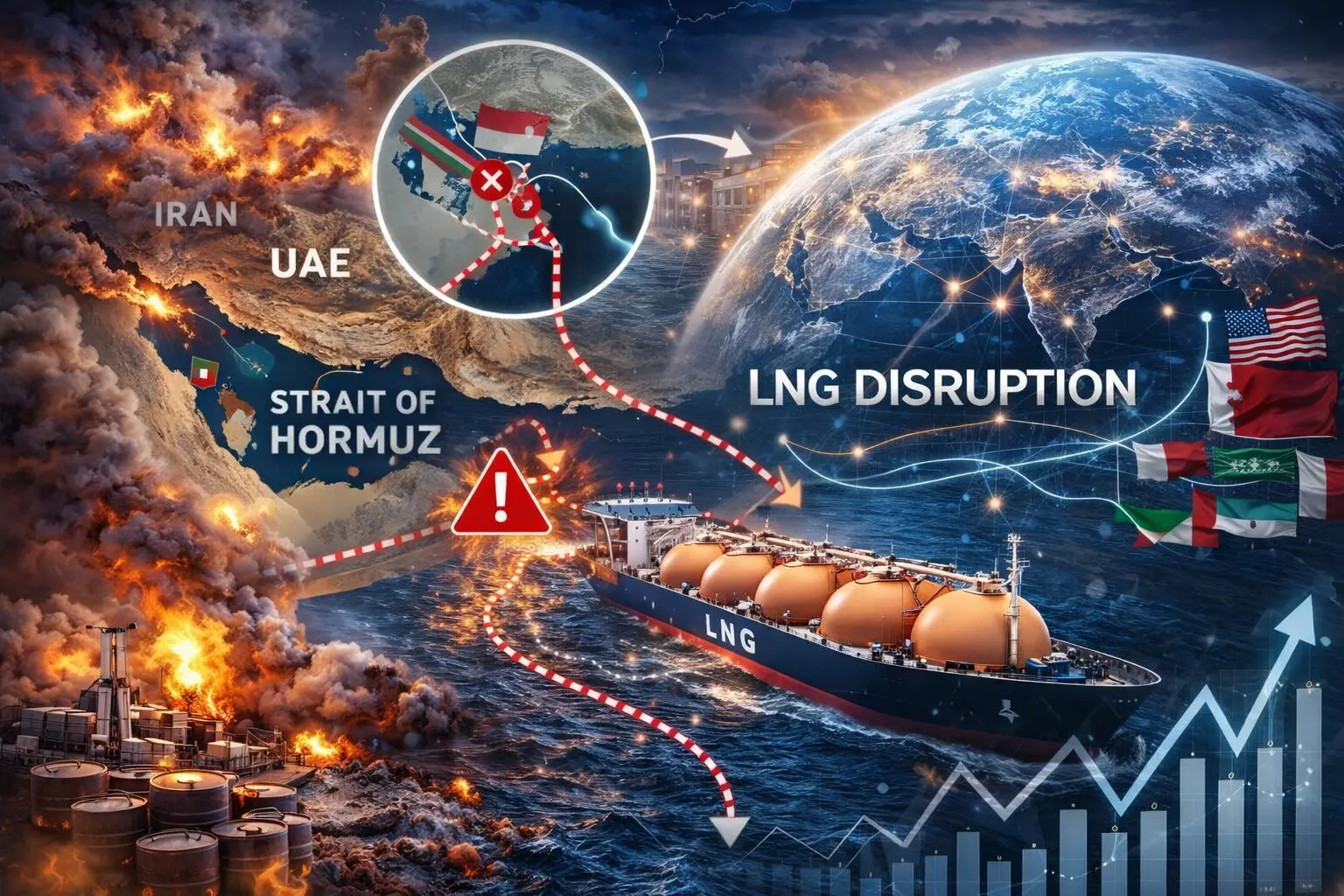
These events suggest a broader, interconnected crisis that extends beyond the immediate U.S.-Iran bilateral negotiations. The strategic calculations of regional powers, including Saudi Arabia and Qatar, are also shifting as the international community watches to see if these nations will align with broader diplomatic initiatives like the Abraham Accords. The complexity of these alliances suggests that any resolution to the current hostilities will likely require a multi-lateral approach that addresses the deep-seated suspicions existing between the primary actors.
Economic Implications for Global Markets
From a business perspective, the primary risk is the disruption of energy supplies and maritime trade routes. The Strait of Hormuz serves as a vital artery for the global economy, and any perception that this route could be compromised—whether through mining or direct military blockade—leads to immediate volatility in oil prices and shipping insurance premiums. Markets have shown signs of reacting to the potential for a deal, with investors weighing the possibility of a reopening or stabilization of the Strait against the reality of continued military activity.
The economic toll of the conflict is already being felt in various sectors, from energy markets to international aid dependencies. For instance, the impact of the war on the economies of nations seeking international financial assistance, such as Bangladesh, has become a focal point for economists and policy analysts. As the situation develops, the ability of the U.S. And its partners to manage these economic pressures will be as critical as the military and diplomatic outcomes.
Key Takeaways
- Military Engagement: The U.S. Military continues to conduct “defensive strikes” against Iranian military infrastructure, including missile sites and naval assets, even while a ceasefire is technically in effect.
- Diplomatic Status: Negotiations between the U.S. And Iran are ongoing, though leaders have expressed skepticism regarding the speed and efficacy of these talks.
- Regional Escalation: The conflict has expanded to include significant military operations in Lebanon, with reports of over 30 fatalities occurring on May 26, 2026.
- Economic Sensitivity: Global markets remain hyper-focused on the security of the Strait of Hormuz, with economic stability heavily dependent on the prevention of further maritime disruption.
As we look toward the coming days, the primary checkpoint for observers will be the status of the ongoing diplomatic talks and any further reports from the Pentagon regarding the security of U.S. Assets in the region. We invite our readers to share their insights on how these geopolitical shifts are impacting their specific industries or regions. The situation is evolving rapidly, and we will continue to provide verified updates as they become available.

Keep reading