iran’s Looming crisis: Water Scarcity, Economic Strain, and Growing Unrest
Iran is facing a multifaceted crisis centered around a rapidly escalating water shortage. This isn’t simply an environmental issue; it’s a threat to the daily lives of citizens, the nation’s economy, and potentially, its political stability. The situation demands urgent attention and a comprehensive understanding of its causes and consequences.
The Disappearing Lakes and Reservoirs
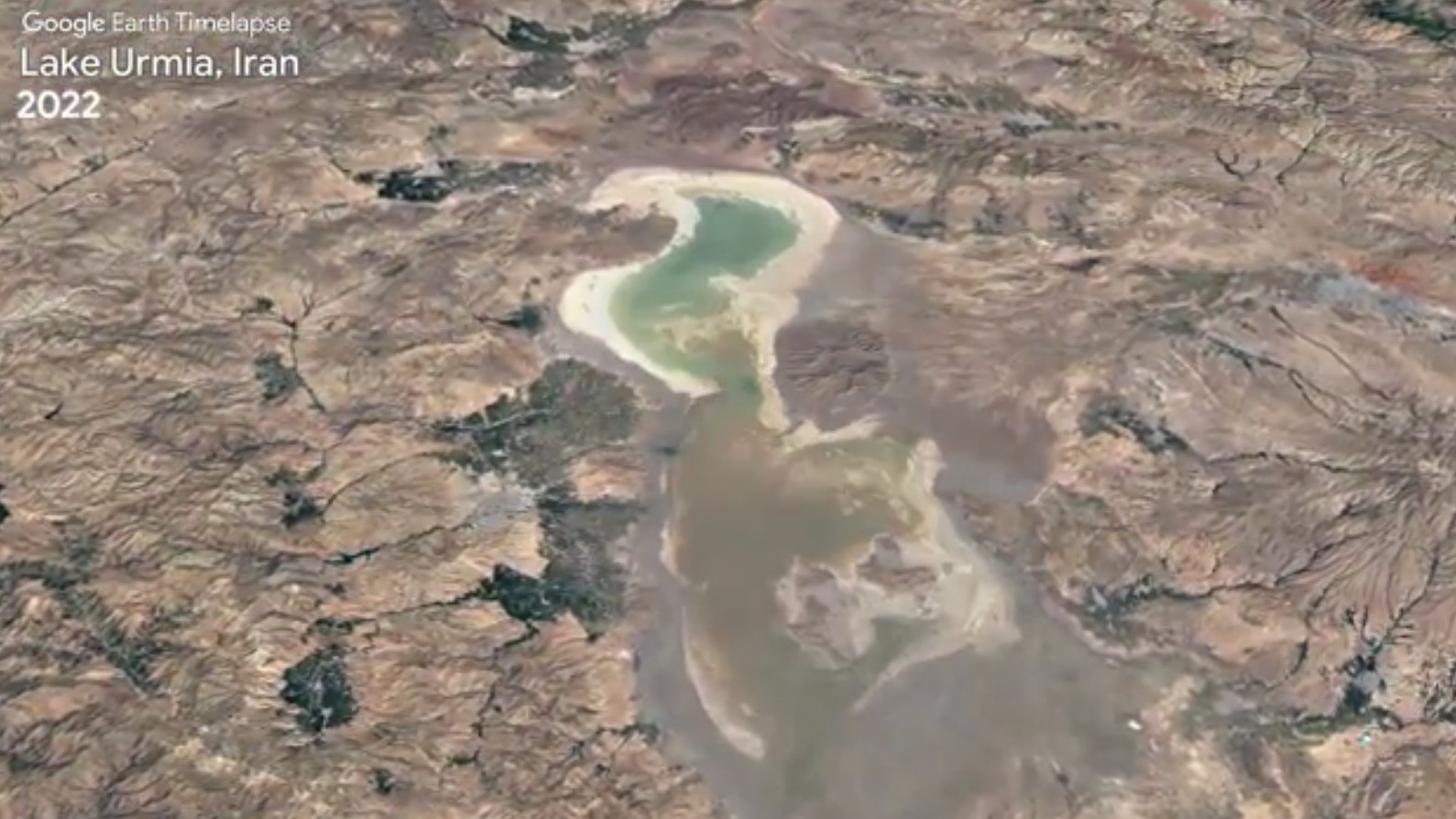
Perhaps the most visible sign of the crisis is the alarming decline of Lake Urmia,the world’s second-largest saltwater lake. Satellite imagery reveals a dramatic shrinking trend over the past two decades, with projections indicating a potential complete disappearance by the end of the summer. This once-expansive body of water, formerly the largest lake in the Middle East, is now a stark symbol of Iran’s water woes.
Beyond Lake urmia,the country’s major dams are also struggling. reports indicate that three have already run dry this summer, and overall reservoir capacity is down to a concerning 41%. President Ebrahim Raisi has warned that Tehran itself could exhaust its water supply by the end of summer if consumption isn’t drastically reduced.
A Confluence of Factors
The crisis isn’t attributable to a single cause. A five-year drought is undoubtedly a significant contributor, exacerbated by the broader impacts of climate change. Though, many within Iran point to systemic mismanagement as the primary driver.
Janatan Sayeh, with the Foundation for Defense of Democracies, explains that large-scale goverment projects, coupled with inefficient dam management, are worsening the situation for ordinary Iranians. This perceived mismanagement fuels public discontent and erodes trust in the government.
Economic Fallout and Social Unrest
The water crisis is rapidly cascading into a broader economic downturn. industries reliant on consistent water and power supplies are being forced to shut down, leading to widespread job losses. Schools are experiencing blackouts, disrupting education and daily life.Power shortages are already widespread, with Tehran and other cities facing rolling two-hour blackouts every other day – a situation experts fear could soon double. Ramin, a shopkeeper in Tehran, describes the unpredictable nature of these outages, adding to the uncertainty faced by businesses and residents.
this economic strain is igniting social unrest. Protests have erupted in several Iranian cities, with demonstrators chanting, “Water and electricity are our basic rights.” The situation highlights a growing sense of desperation and frustration among the population.
A Threat to National Identity
The crisis extends beyond economic hardship; it’s perceived as an attack on Iranian national pride.A once-prosperous nation is now grappling with environmental collapse and economic decline. This impacts all sectors of society, from laborers facing layoffs to business owners struggling to stay afloat.As Sayeh notes, the situation is deeply unsettling for Iranians, who are witnessing the deterioration of their country’s resources and future prospects.
Looking Ahead: Limited Solutions
The immediate hope for relief lies in above-average rainfall or snowfall. Importing water from neighboring countries is another potential, though complex, solution. Though, these are short-term fixes.
Addressing the root causes – including improved water management practices, investment in water conservation technologies, and a reevaluation of unsustainable growth projects – is crucial for long-term stability. Without significant and sustained action, Iran’s water crisis will continue to deepen, with potentially far-reaching consequences.
Worth a look