
U.S. President-elect Donald Trump has claimed that the United States has effectively concluded its conflict with Iran, asserting that the country’s role in the region is now secondary to his administration’s diplomatic strategy. Speaking during an interview with the Italian television network La7, Trump stated that an agreement is nearing completion, with a formal signing potentially occurring in Europe as early as this coming weekend.
The President-elect’s remarks follow a recent period of de-escalation in military activity across the Middle East. According to reporting from Reuters, regional tensions have remained high throughout the transition period, but the rhetoric from the incoming administration suggests a pivot toward a transactional diplomatic framework. Trump’s assertion of “winning the war” reflects his broader “America First” foreign policy, which prioritizes bilateral deals over traditional multilateral frameworks, such as the JCPOA, which his first administration exited in 2018.
The Proposed Agreement and Diplomatic Hurdles
While the incoming administration has signaled that a deal is imminent, the specific terms of the arrangement remain subject to intense scrutiny. Iranian state media has characterized the current draft as reflecting their own proposals, suggesting a significant divergence in how Tehran and Washington are interpreting the potential pact. The complexity of these negotiations is compounded by the fact that multiple stakeholders, including regional allies and European signatories of the original nuclear deal, have yet to confirm the parameters of any new arrangement.
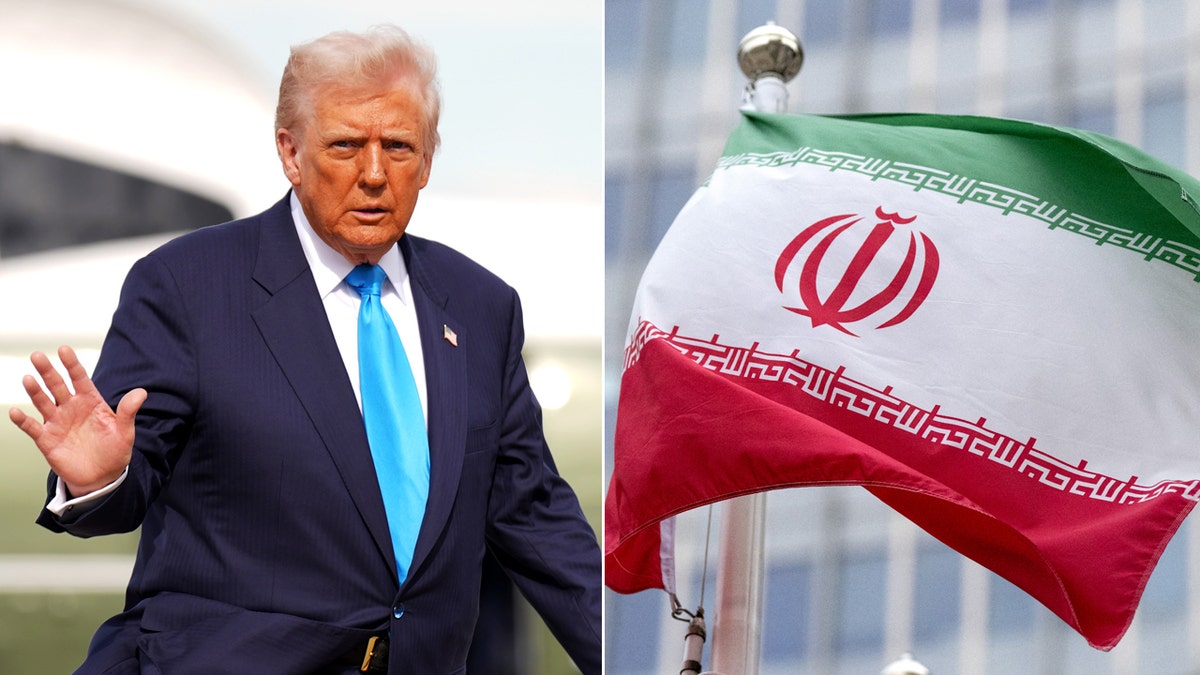
Vice President-elect JD Vance is expected to play a central role in the finalization of the agreement. Reports indicate that Vance may be tasked with signing the documents, a move that would underscore the administration’s focus on delegating high-level diplomatic outreach to key cabinet members. According to the U.S. Department of State, any formal treaty or binding executive agreement regarding nuclear non-proliferation or regional security requires rigorous interagency review to ensure compliance with existing U.S. sanctions law and international protocols.
Shifting Geopolitical Realities
Trump’s description of Europe as “irrelevant” in the context of these negotiations marks a stark departure from the multilateral diplomacy favored by the Biden administration. By sidelining European powers—who have historically acted as intermediaries between Washington and Tehran—the incoming administration is signaling a desire to minimize the influence of external actors in its Middle East policy. This shift has raised questions among analysts regarding the long-term stability of regional security agreements that lack broad international consensus.
The European Union has consistently maintained that a sustainable solution to regional instability must involve a comprehensive approach that includes human rights, ballistic missile development, and nuclear enrichment limits. As noted by the European External Action Service, the bloc remains committed to the principles of the original nuclear framework. However, the incoming U.S. team appears to be operating on a timeline that bypasses these traditional diplomatic channels entirely.
What Happens Next?
The coming days will be critical in determining whether the rhetoric of a “deal” translates into a verifiable, signed commitment. Observers are looking for specific indicators of progress, including:

- Official confirmation from the U.S. transition team regarding the location and participants of the potential weekend summit.
- Statements from the Iranian Ministry of Foreign Affairs clarifying their stance on the draft document.
- Updates from the International Atomic Energy Agency (IAEA) regarding any changes to monitoring access at Iranian nuclear sites, which would serve as a key metric for the deal’s credibility.
The transition team has not yet released a formal briefing schedule for the weekend, and official confirmation remains pending. As the situation develops, international observers continue to monitor the potential for sudden shifts in regional military postures, which often precede or follow high-stakes diplomatic announcements. Readers are encouraged to monitor official press releases from the White House and the office of the President-elect for the most accurate, up-to-date information regarding these negotiations.
We invite our readers to share their analysis of these developments in the comments section below. As this story evolves, World Today Journal will continue to track the implications of this potential agreement for global security and international relations.
Worth a look