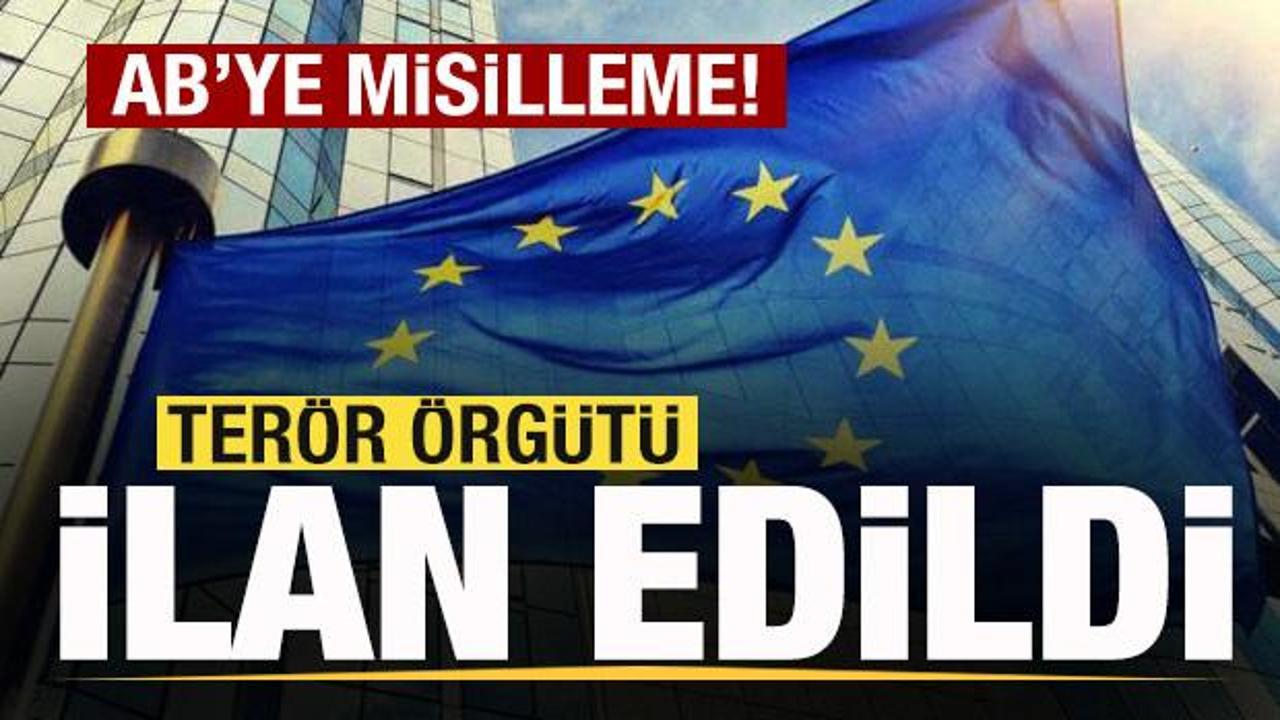
Iran Retaliates, Declares EU Air and Naval Forces “Terrorist” Entities
Tehran has escalated tensions with the European Union, announcing that the air and naval forces of EU member states have been designated as “terrorist organizations.” The move, confirmed by the Iranian Foreign Ministry on February 21, 2026, is a direct response to the EU’s recent decision to list the Islamic Revolutionary Guard Corps (IRGC) as a terrorist entity. This reciprocal action marks a significant deterioration in relations between Iran and the bloc, raising concerns about further escalation and potential instability in the region.
The Iranian Foreign Ministry’s statement, reported by multiple news outlets including Haberler and Yeni Şafak, invokes the principle of “reciprocity” as justification for the designation. The declaration effectively mirrors the EU’s own categorization of the IRGC, a powerful and influential branch of the Iranian armed forces.
EU’s Sanctioning of the IRGC
The European Union formally designated the IRGC as a terrorist organization in February 2026, citing the group’s alleged support for terrorism and its role in destabilizing the Middle East. The decision, announced by EU High Representative for Foreign Affairs and Security Policy Kaja Kallas on social media platform X, came after months of debate and mounting pressure from several member states. Kallas stated, “Baskıya yanıtsız kalınamaz” (“One cannot remain unresponsive to oppression”), signaling a firm stance against Iran’s regional activities. Anadolu Agency reported that the move was a response to the IRGC’s involvement in supplying weapons to proxy groups and its alleged human rights abuses.
The Principle of Reciprocity and International Law
The concept of “reciprocity” in international law allows states to respond to actions taken against them by other states with similar measures. While legally permissible, such responses often escalate tensions and can lead to a cycle of retaliation. Experts in international relations suggest that Iran’s designation of EU air and naval forces as terrorist entities is a calculated move intended to demonstrate resolve and deter further EU action. Although, the practical implications of this designation remain unclear. It is unlikely to significantly impact the operational capabilities of EU forces, but it does represent a symbolic escalation with potentially far-reaching consequences.
What Does This Mean for EU-Iran Relations?
The current situation represents a significant low point in EU-Iran relations. Diplomatic channels are likely to be strained, and the prospects for any meaningful dialogue in the near future appear dim. The EU’s designation of the IRGC was already met with strong condemnation from Tehran, and this latest retaliatory measure will undoubtedly further exacerbate tensions. The potential for miscalculation and unintended consequences is high, particularly in a region already fraught with instability.
The designation also raises questions about the future of the Iran nuclear deal, formally known as the Joint Comprehensive Plan of Action (JCPOA). While the JCPOA is currently stalled, the escalating tensions could further complicate efforts to revive the agreement, which aimed to limit Iran’s nuclear program in exchange for sanctions relief. The EU has been a key proponent of the JCPOA, but its ability to mediate between Iran and the United States is now severely compromised.
Impact on Regional Security
The designation of EU air and naval forces as terrorist entities could have broader implications for regional security. The EU maintains a naval presence in the Gulf of Aden and the Indian Ocean as part of its efforts to combat piracy and protect maritime trade routes. Iran’s declaration could be interpreted as a threat to these forces, potentially increasing the risk of confrontation. The move could embolden Iran’s regional allies and proxies, leading to increased instability in countries such as Syria, Lebanon, and Yemen.
The situation is particularly sensitive given the ongoing conflicts in the Middle East, including the war in Gaza and the humanitarian crisis in Yemen. Any further escalation could have devastating consequences for civilians and exacerbate existing regional tensions. International efforts to de-escalate the situation and promote dialogue are urgently needed.
The IRGC: A Powerful Force in Iran
The Islamic Revolutionary Guard Corps is a highly influential organization within Iran, with significant political, economic, and military power. Founded in 1979 after the Iranian Revolution, the IRGC is responsible for protecting the Islamic Republic and promoting its revolutionary ideology. It operates independently of the regular Iranian armed forces and has its own command structure, intelligence network, and military capabilities. The IRGC has been accused of numerous human rights abuses and has been implicated in terrorist attacks and other destabilizing activities throughout the Middle East.
The IRGC’s economic interests are also substantial, with the organization controlling a vast network of businesses and industries. This economic power allows the IRGC to exert significant influence over Iranian society and politics. The EU’s designation of the IRGC as a terrorist organization was aimed at disrupting its financial networks and limiting its ability to carry out destabilizing activities.
Looking Ahead
The situation remains fluid and unpredictable. The EU is expected to respond to Iran’s designation of its air and naval forces, but the nature of that response is currently unclear. Options could include further sanctions, diplomatic protests, or a strengthening of its military presence in the region. The coming weeks and months will be critical in determining whether the current escalation can be contained or whether it will spiral into a wider conflict.
The next key development to watch will be the EU’s formal response to Iran’s declaration, expected within the next two weeks. Continued monitoring of diplomatic channels and regional developments will be crucial to understanding the evolving situation.
What are your thoughts on this escalating situation? Share your perspectives in the comments below, and please share this article with your networks to keep the conversation going.
Keep reading