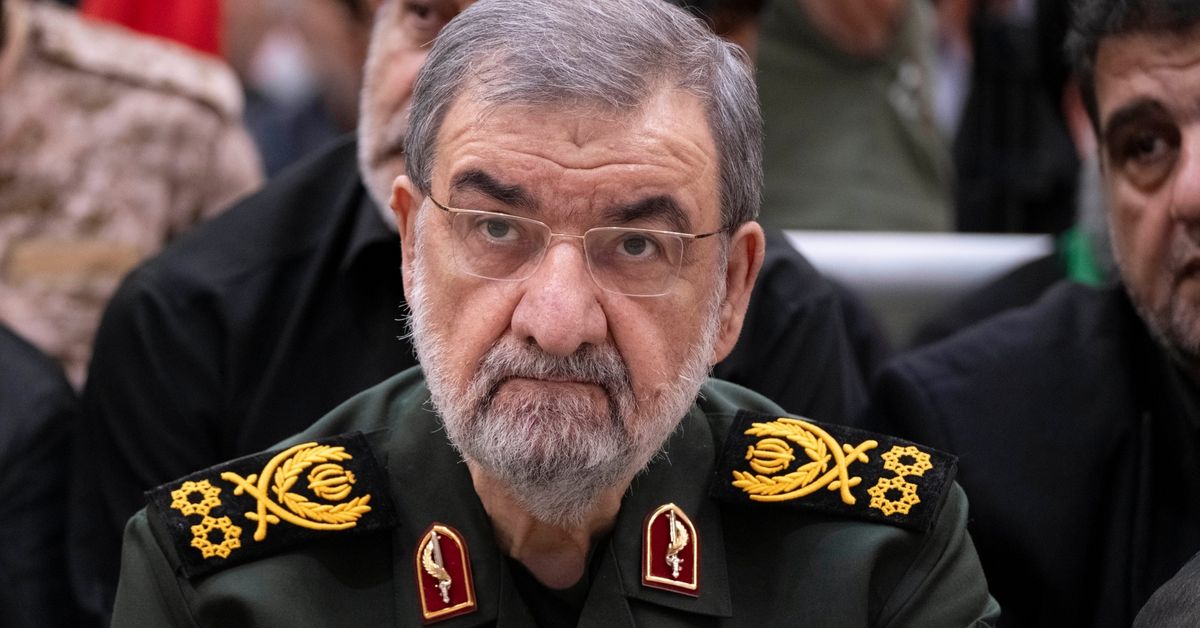
Diplomatic efforts between Tehran and Washington have encountered a significant impasse, as Iranian negotiators have reportedly set a rigid financial precondition for the continuation of high-level talks. According to reports, the Iranian side is demanding the immediate release of $12 billion in frozen assets currently held in Qatar as a necessary step to advance any potential memorandum of understanding with the United States.
This development comes at a time of heightened regional volatility, with international observers closely monitoring the intersection of financial sanctions and geopolitical stability in the Middle East. The demand for access to these specific funds underscores the complex nature of the ongoing discussions, which seek to address long-standing tensions between the two nations.
The Financial Precondition and Diplomatic Stagnation
The demand for the $12 billion in assets held in Qatar represents a pivot in the negotiating strategy of the Iranian delegation. By framing the release of these funds as a prerequisite for further engagement, Tehran is signaling that economic concessions are central to its willingness to pursue a broader agreement. The assets in question have been subject to international sanctions, and their status has long been a point of contention in financial and diplomatic circles.
As noted by international analysts, the use of frozen assets as a leverage point is a common feature in protracted negotiations involving sanctioned states. However, the scale of the requested release—totaling $12 billion—presents a significant hurdle for U.S. Policymakers who must navigate both domestic political pressures and international regulatory frameworks governing the movement of such funds. The current negotiations regarding frozen assets remain a critical factor in determining whether a formal memorandum of understanding can be reached.
Geopolitical Context and Regional Stability
The broader landscape of U.S.-Iran relations remains fragile, influenced by shifting regional alliances and the ongoing impact of sanctions. While the primary focus of the current impasse is the financial demand, the context is inextricably linked to the wider security environment in West Asia. Observers point out that the stability of the Middle East is frequently tested by the lack of direct, productive communication channels between Tehran and Washington.
The humanitarian and economic implications of the current standoff are also of growing concern. International aid organizations have frequently highlighted how economic pressure and political isolation can exacerbate local crises, often impacting civilian populations the most. As the situation evolves, the ability of both parties to find a compromise on the frozen assets will likely serve as a litmus test for the feasibility of deeper diplomatic cooperation in the near future.
What Happens Next?
At this stage, neither the United States nor Iranian officials have provided a definitive timeline for the next round of formal discussions. The current impasse suggests a period of cooling-off or internal review for both delegations as they assess the viability of the financial demands made by the Iranian side. For the international community, the focus remains on whether a middle ground can be established to prevent further escalation or total abandonment of the diplomatic track.
The next checkpoint will likely be determined by official statements from the respective foreign ministries or through updates provided by the intermediaries facilitating these discussions. Observers are advised to monitor official channels for any signs of movement regarding the $12 billion in frozen assets, as this remains the primary indicator of whether the current diplomatic blockade can be breached.
Key Considerations for Global Observers
- The Role of Qatar: As the host of the frozen assets, Qatar remains a pivotal intermediary. Any movement on these funds will require coordination with Qatari financial authorities and adherence to international banking standards.
- Sanctions Frameworks: The legal complexity surrounding the release of frozen funds involves multiple jurisdictions and international mandates, which often complicates rapid resolution.
- Diplomatic Signaling: The public nature of these demands is often as much about domestic messaging as it is about international negotiation, reflecting the internal political pressures within both Tehran and Washington.
As we continue to follow this developing story, we invite our readers to share their insights and perspectives on the future of U.S.-Iran relations. Your engagement helps foster a more nuanced understanding of these critical global developments.