
Tehran, May 13, 2026 — A moderate earthquake rattled Iran’s capital city early Wednesday, striking a nation already on edge amid escalating tensions with the United States and Israel. The quake, which occurred around midnight local time, comes as diplomatic efforts to end a two-week ceasefire remain stalled and the prospect of broader conflict looms over a region already reeling from months of military strikes. While initial reports suggest no immediate casualties or major infrastructure damage, the tremor has underscored the fragility of a city grappling with both natural and man-made crises.
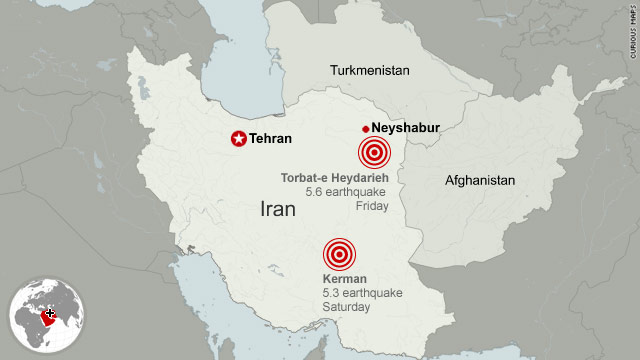
The earthquake, which geologists have yet to classify by magnitude, follows a period of heightened seismic activity in Iran, a country situated along the Alpid Belt, one of the world’s most active seismic zones. Tehran, with its dense urban population of over 9 million, sits on a fault line that has produced devastating quakes in the past, including the 2003 Bam earthquake that killed more than 26,000 people. The timing of Wednesday’s tremor—amid a fragile ceasefire and ongoing U.S.-led strikes—has added a layer of unease for residents already accustomed to air raid sirens and power outages.
Iran’s government has not yet issued an official statement on the quake’s impact, but local media outlets have reported brief tremors felt across northern Tehran, particularly in districts near the city’s historic core. The Islamic Republic’s seismic monitoring agency, the Building and Housing Research Center (BHRC), typically provides real-time updates on earthquake activity, though no formal assessment has been released as of this writing. In the absence of official confirmation, residents have taken to social media to share videos and accounts of the shaking, with many describing it as a sudden but brief jolt.
Diplomatic Tensions and Domestic Vulnerabilities
The earthquake’s occurrence in Tehran—already a target in recent U.S.-Israeli strikes—has reignited concerns about the city’s resilience. Since President Donald Trump announced “major combat operations” against Iran on February 28, 2026, the capital has faced repeated attacks on military sites, government buildings, and critical infrastructure. The most recent round of strikes, which included joint U.S.-Israeli operations in early May, has left parts of Tehran without electricity for extended periods, straining public services and morale.
Adding to the complexity, the U.S. Senate has once again failed to advance a War Powers Resolution aimed at curtailing the Trump administration’s authority to engage in military operations against Iran. The resolution, introduced by Senator Jeff Merkley (D-Ore.), received only 49 votes in favor—one short of the 50 needed to proceed—despite growing bipartisan criticism of the lack of congressional oversight. The vote underscores the deep divisions in Washington over how to handle the escalating conflict, with some lawmakers arguing that the ceasefire announced in April is little more than a “pause” in hostilities rather than a genuine pathway to peace.
Iran’s leadership, meanwhile, has accused the U.S. Of “dishonesty” in negotiations, with Foreign Ministry spokesperson Ali Araghchi stating in recent remarks that American actions on the ground contradict their stated willingness to engage in diplomacy. The Islamic Republic’s official news agency, IRNA, reported that Supreme Leader Mojtaba Khamenei has reiterated his stance that Iran will not negotiate under “pressure,” a position that has hardened as strikes continue. The current ceasefire, now extended indefinitely, remains “on massive life support,” according to White House officials, with no clear end in sight.
Seismic Risks in a City Under Stress
Tehran’s vulnerability to earthquakes is well-documented. The city sits atop the North Tehran Fault, a seismic zone capable of producing quakes with magnitudes exceeding 6.5. A 2023 study published in the journal Nature Communications warned that Tehran’s aging infrastructure—much of it built without modern seismic standards—could amplify the impact of even moderate tremors. The study highlighted that nearly 40% of the city’s buildings were constructed before 1989, when Iran’s seismic building codes were first introduced, leaving millions at risk during a major quake.
While Wednesday’s tremor appears to have been relatively minor, its occurrence has prompted residents to reflect on their preparedness. Social media posts from Tehran show citizens sharing tips on earthquake safety, with many expressing frustration over the government’s slow response to past disasters. In 2022, a 6.1-magnitude quake near the Iran-Iraq border killed at least 300 people, yet recovery efforts were criticized for being slow and poorly coordinated. The fear now is that a larger quake could coincide with ongoing military strikes, compounding the challenges of rescue and relief operations.
Iran’s seismic monitoring agency has historically been transparent about earthquake activity, but the current political climate may complicate rapid response efforts. With resources diverted to military defense and infrastructure repairs from strikes, the government’s ability to swiftly assess and mitigate seismic risks remains a concern for experts.
Human Impact: Fear and Resilience in Tehran
For many Tehrani residents, the earthquake served as a stark reminder of the dual threats they face daily. “We’ve gotten used to the sound of drones and explosions,” said Parisa, a 32-year-old teacher in northern Tehran, who requested her last name not be used. “But when the ground shakes, it feels like another layer of fear is added. You wonder: What if the next tremor knocks out the power grid for days? What if the hospitals are already overwhelmed?”

Others have taken to organizing neighborhood drills, sharing supplies, and creating informal support networks in anticipation of future shocks—both natural and man-made. The Iran Red Crescent Society has issued reminders about earthquake preparedness, urging residents to secure heavy furniture, create emergency kits, and identify safe meeting points. However, the organization has not yet activated a formal response to Wednesday’s tremor, suggesting that the event was indeed minor.
The psychological toll of living under dual threats—seismic and military—cannot be overstated. A 2025 report by the World Health Organization highlighted that prolonged exposure to conflict and natural disasters increases rates of anxiety and depression. In Tehran, where air raid sirens and power cuts are a nightly occurrence, many residents describe a sense of exhaustion, if not resignation, about their ability to control their safety.
What Happens Next?
The immediate focus for authorities will be to confirm the earthquake’s magnitude and any potential damage. The BHRC is expected to release an official assessment within the next 24 hours, though delays are possible given the current political climate. Meanwhile, diplomatic efforts to extend the ceasefire remain deadlocked, with no scheduled talks on the horizon. The U.S. Senate’s failure to advance the War Powers Resolution suggests that congressional pressure on the Trump administration is unlikely to ease soon, leaving the path to de-escalation unclear.
For Tehran’s residents, the next few days will be critical. The city’s ability to withstand both seismic activity and the fallout from military strikes will depend on factors beyond their control—government responsiveness, international diplomacy, and, luck. As one resident put it: “We just hope the next tremor doesn’t come with a bomb.”
For live updates on the earthquake and its aftermath, follow official statements from the Iranian Building and Housing Research Center and the Islamic Republic News Agency. The U.S. State Department’s travel advisories for Iran may also be updated in light of recent developments.
What are your thoughts on the intersection of natural disasters and geopolitical tensions? Share your experiences or concerns in the comments below.
Keep reading