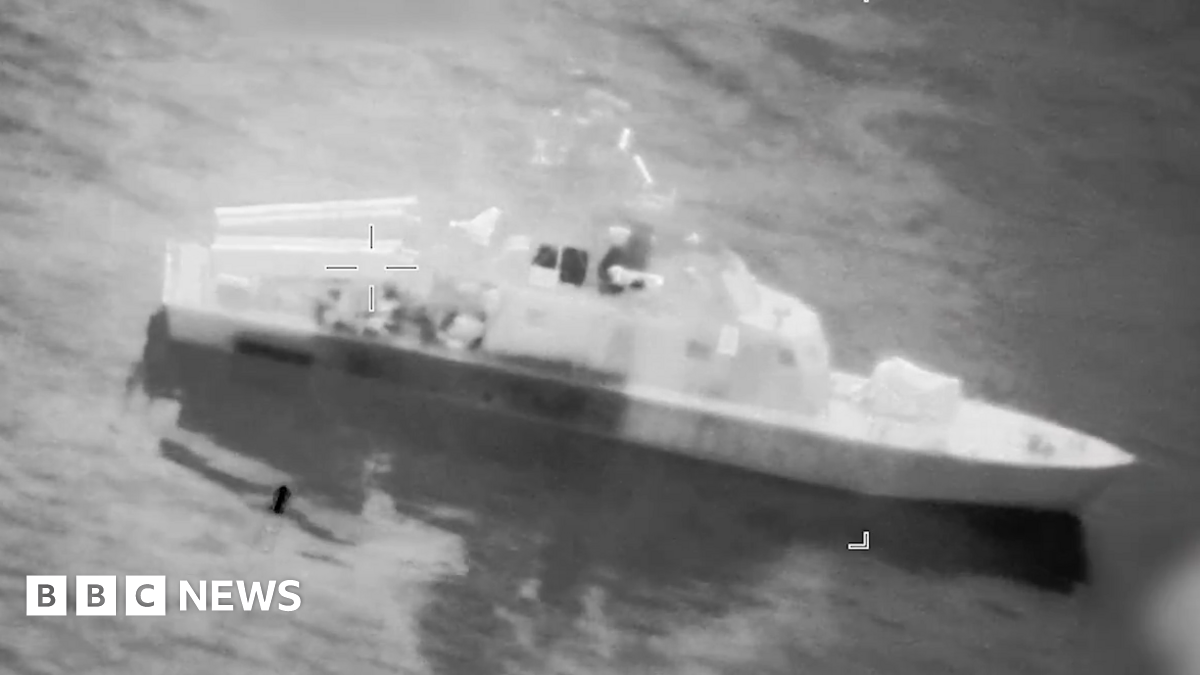
LONDON – The United States military has reported the “elimination” of 16 Iranian mine-laying vessels in the Red Sea and Gulf of Aden following a series of escalating confrontations, while separate incidents near Dubai International Airport left four individuals injured by drone strikes. These developments mark a significant intensification of the conflict in the region, raising concerns about wider destabilization and potential disruptions to global shipping lanes. The incidents reach amid a week of heightened tensions following the death of Iran’s Supreme Leader Ayatollah Ali Khamenei and the subsequent appointment of his son, Mojtaba Khamenei, as his successor.
The U.S. Central Command (CENTCOM) released a statement on Wednesday detailing the destruction of the Iranian vessels, asserting they posed an “imminent threat” to maritime traffic. CENTCOM officials stated the vessels were engaged in preparations to lay mines in key waterways, potentially endangering commercial and military ships. This action follows several previous incidents involving Iranian-backed Houthi rebels in Yemen targeting vessels in the Red Sea, prompting a multinational naval response led by the United States. The U.S. Has repeatedly accused Iran of providing material support to the Houthis, a claim Iran denies. The ongoing conflict has significantly impacted global trade, forcing ships to take longer and more expensive routes around the Cape of Good Hope.
Escalating Tensions and Regional Impact
The reported destruction of the Iranian vessels represents a direct escalation of the conflict, moving beyond indirect support of proxy groups to a more overt confrontation. While the U.S. Has not detailed the specific methods used to eliminate the vessels, it confirmed the use of naval assets in the region. This action is likely to further inflame tensions with Iran, which has consistently maintained its right to defend its interests and support allies in the region. The timing of these events, following the death of Ayatollah Ali Khamenei and the swift appointment of his son, Mojtaba Khamenei, as the new Supreme Leader, adds another layer of complexity to the situation. The transition of power within Iran has been met with both celebration and division, as reported by the BBC Persian service, with some Iranians expressing hope for change while others remain wary of the new leadership.
Simultaneously, authorities in Dubai confirmed that four individuals sustained injuries after drones struck near the city’s international airport. While the exact source of the drones remains unconfirmed, suspicion immediately fell on groups operating in Yemen or potentially Iran. The attack caused temporary disruptions to air traffic, highlighting the vulnerability of critical infrastructure in the region. The United Arab Emirates, a key U.S. Ally, has been a frequent target of attacks by Houthi rebels in the past, often attributed to Iranian support. The incident underscores the potential for the conflict to spill over into neighboring countries, further destabilizing the region.
Iranian Reactions and Economic Concerns
Initial reactions from Iranian officials have been strongly condemnatory, with state media denouncing the U.S. Actions as “provocative” and a violation of international law. Iranian officials have vowed to respond to any further aggression, raising the specter of retaliatory strikes. However, despite the heightened rhetoric, We find also indications of continued economic activity within Iran. A recent report by the BBC Persian service highlighted that a manufacturing worker in Isfahan stated that, despite perceptions of widespread devastation, “none of the infrastructure has been hit yet” and that factories are continuing to operate and exports are ongoing. The worker also noted that Iraqi and Russian customers were increasingly eager to expedite shipments, even willing to pay double the logistics costs, suggesting a fear of future disruptions.
Isfahan is home to major industries in Iran and has been under many bombardments in the past few days
This apparent disconnect between the perceived external image of a country under siege and the reality on the ground highlights the complexities of the situation. The report also indicated that some within Iran are hopeful for a potential agreement with the United States, believing that former President Trump will “eventually back down.” However, the same source acknowledged significant disruptions to operations, citing a lack of available transportation and chaotic pricing. The price of oil has also surged, exceeding $100 a barrel for the first time in four years, driven by concerns over supply disruptions in the region. Supporters of Iran’s clerical establishment have held rallies in cities across the country to demonstrate support for the new Supreme Leader, Mojtaba Khamenei.
The New Leadership and Future Prospects
The appointment of Mojtaba Khamenei as Supreme Leader marks a significant shift in Iranian politics. He is considered a hardline cleric with close ties to the powerful Revolutionary Guards, and his ascension to power has been met with mixed reactions both within Iran and internationally. U.S. President Donald Trump has expressed his dissatisfaction with the appointment, signaling a potential continuation of the confrontational approach towards Iran. The new leader faces a daunting task: navigating a country grappling with economic challenges, regional conflicts, and international isolation. His ability to address these issues will be crucial in determining the future trajectory of Iran and the wider Middle East.
The current situation is further complicated by the ongoing war in Yemen, where Houthi rebels continue to launch attacks on shipping in the Red Sea. These attacks, widely believed to be supported by Iran, have disrupted global trade and prompted a multinational naval response. The United States has been a leading advocate for protecting maritime traffic in the region, and has repeatedly called on Iran to cease its support for the Houthis. The recent incidents involving Iranian mine-laying vessels and the drone attack near Dubai airport underscore the urgent need for de-escalation and a renewed diplomatic effort to address the underlying causes of the conflict.
Key Takeaways
- The U.S. Military has reported destroying 16 Iranian mine-laying vessels in the Red Sea and Gulf of Aden.
- Four individuals were injured in a drone attack near Dubai International Airport.
- Mojtaba Khamenei has been appointed as the new Supreme Leader of Iran following the death of his father, Ayatollah Ali Khamenei.
- Oil prices have surged to over $100 a barrel due to concerns about supply disruptions.
- Despite the conflict, some economic activity continues within Iran, with exports still ongoing.
Looking ahead, the situation remains highly volatile. The United States is expected to continue its military presence in the region and maintain pressure on Iran. The new Iranian leadership will likely adopt a firm stance in response, potentially leading to further escalation. The international community will need to play a crucial role in mediating the conflict and preventing a wider war. The next key development to watch will be the response from Iran to the U.S. Actions, and whether any diplomatic initiatives are launched to de-escalate tensions. The situation demands careful monitoring and a commitment to finding a peaceful resolution to avoid further instability in the Middle East.
What we have is a developing story and will be updated as more information becomes available.
Worth a look