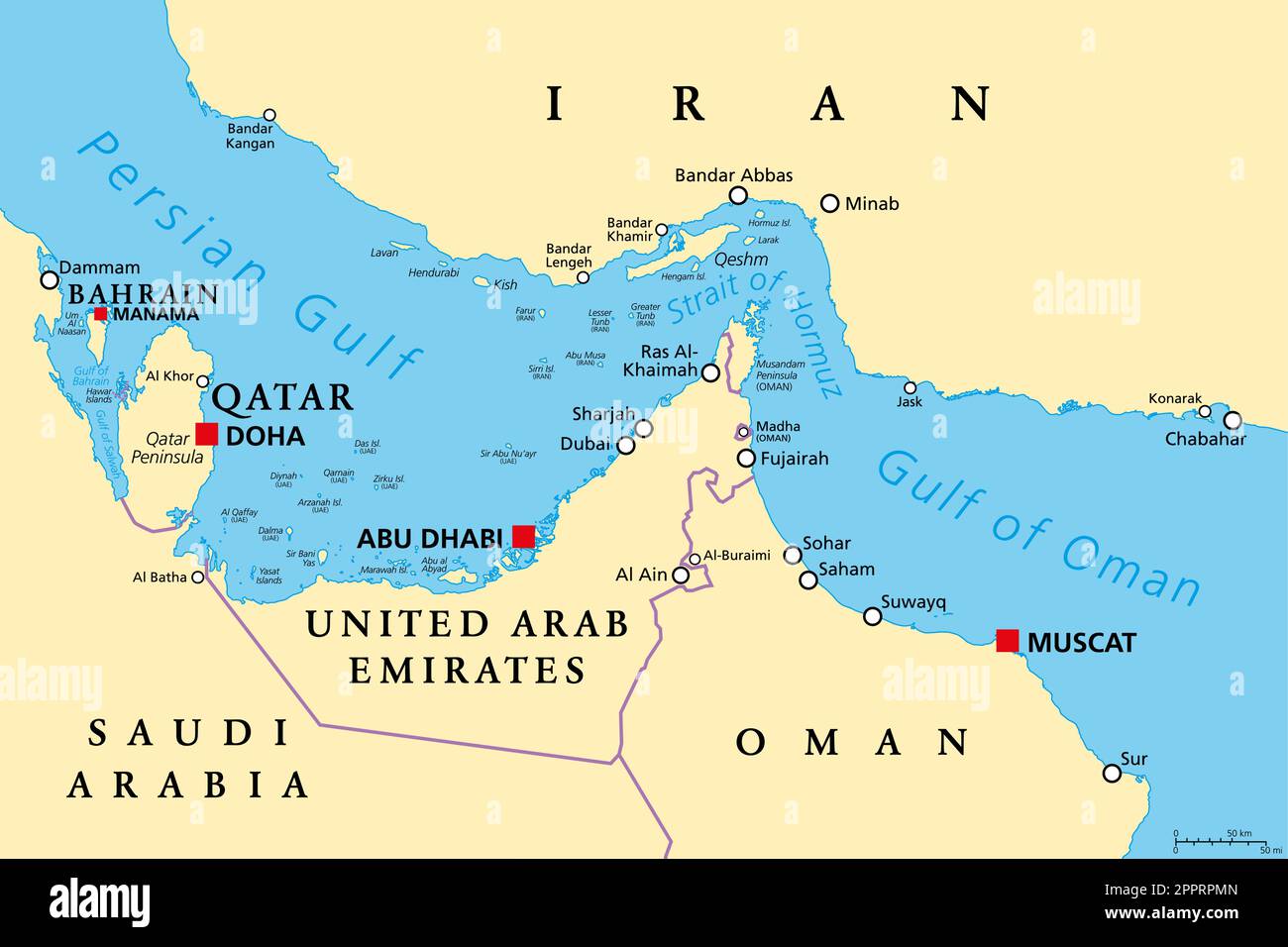
As tensions in the Middle East reach a critical juncture, Iran has delivered its most pointed response yet to escalating military actions in the Strait of Hormuz—the vital maritime chokepoint through which 20% of global oil supplies pass. With U.S. President Donald Trump announcing a temporary pause in “Project Freedom” and Israeli strikes continuing in Lebanon, Tehran’s official stance—reportedly under review by President Masoud Pezeshkian—could determine whether the fragile ceasefire holds or spirals into wider conflict. The latest developments reveal a region on the brink, where diplomatic words clash with military posturing and economic stakes rise daily.
This report synthesizes verified information from official Iranian statements, U.S. And Israeli military communications and independent diplomatic sources to provide a clear picture of the current state of play. What follows is a fact-based assessment of Iran’s response, the status of ceasefire negotiations, and the broader implications for global energy markets and regional stability.
One thing is certain: the coming 48 hours will be decisive. The Strait of Hormuz remains a flashpoint where miscalculation could trigger catastrophic consequences. For now, the world watches—and waits—for Iran’s formal reply.
Iran’s Official Response: A Calculated Rejection of U.S. “Maximum Pressure”
In a statement released through the Iranian Foreign Ministry on May 7, 2026, President Masoud Pezeshkian rejected what he termed the U.S. Government’s “continued policy of maximum pressure”, accusing Washington of demanding unilateral concessions even as maintaining economic sanctions and military deployments in the region. The statement, delivered in Persian and later translated by the ministry’s official English channel, emphasized that Iran would not accept terms that “undermine our sovereignty or the security of our people.”
Pezeshkian’s remarks came hours after U.S. President Donald Trump announced a temporary halt to “Project Freedom,” the military operation aimed at securing commercial shipping lanes in the Strait of Hormuz. Trump described the pause as a “short-term step” to test whether ongoing negotiations could yield a “complete and final agreement.” However, Iranian officials have dismissed this as a tactical maneuver rather than a genuine shift in policy.
“The United States expects Iran to surrender to its demands while continuing its campaign of economic strangulation and military threats. This is not diplomacy—We see extortion.”
The Iranian response as well included a veiled warning about the risks of escalation. While avoiding explicit threats, the statement noted that “any further aggression against Iranian interests or those of our regional partners will receive an appropriate and proportional response.” This phrasing aligns with Iran’s long-standing doctrine of deterrence by denial, where asymmetric capabilities—such as missile strikes and naval minefields—are used to offset superior adversary firepower.
Military Tensions Escalate: France Deploys Naval Assets to the Strait of Hormuz
In a move that underscores the gravity of the situation, France has dispatched a task force of naval vessels, including the aircraft carrier Charles de Gaulle, to the Strait of Hormuz. The deployment, announced by French Defense Minister Sébastien Lecornu, is part of a broader European Union-led mission to “ensure the free flow of commerce and protect critical maritime routes.” The presence of the carrier—capable of projecting air power over a wide area—signals France’s commitment to deterring further Iranian actions that could disrupt global shipping.
Iranian state media, including the Islamic Republic News Agency (IRNA), has framed the French deployment as an “act of aggression” aimed at containing Tehran’s regional influence. However, European diplomats have clarified that the mission is not directed against Iran specifically but rather to “de-escalate tensions and prevent unintended incidents.” The contrast between these narratives highlights the deep divisions in how different actors perceive the crisis.
Meanwhile, Israeli airstrikes in southern Lebanon continue, with reports of limited but targeted attacks on Hezbollah positions. While neither Israel nor Iran has officially claimed responsibility for recent cross-border incidents, the pattern suggests a deliberate strategy of controlled escalation—one that risks drawing Iran more directly into the conflict.
Ceasefire Talks: A Fragile Pause or the Calm Before the Storm?
Diplomatic efforts to halt the escalation remain in their most delicate phase. Sources close to the negotiations—including a senior European diplomat speaking on condition of anonymity—have indicated that Iran is reviewing a proposal for a limited ceasefire that would include:
- A temporary halt to Iranian missile and drone strikes against Israeli and U.S. Assets in the region.
- A reduction in Israeli airstrikes targeting Iranian-backed militias in Syria and Iraq.
- An international monitoring mechanism to verify compliance, led by the United Nations.
- A phased lifting of some U.S. Sanctions in exchange for Iranian commitments on nuclear transparency and regional behavior.
The sticking point remains Iran’s insistence on full compliance with the 2015 nuclear deal before any sanctions relief is considered. The U.S., however, has not indicated willingness to revive the Joint Comprehensive Plan of Action (JCPOA) without significant concessions from Iran on its missile program and support for regional proxies.
Adding to the complexity, Russia has emerged as an unexpected wild card. Iranian state media reported that Moscow has offered to mediate between Tehran and Washington, a role that could either facilitate compromise or deepen divisions if perceived as one-sided. For now, Iranian officials have not publicly acknowledged Russian involvement in the talks, though diplomatic channels remain open.
Global Markets Brace for Disruption: The Strait of Hormuz as a Tipping Point
The Strait of Hormuz is not just a geopolitical flashpoint—it is the world’s most critical energy artery. With nearly 20% of global oil trade passing through its narrow waters, any disruption risks sending crude prices soaring. As of May 7, 2026, benchmark Brent crude oil futures have risen by over 8% in the past week, reaching $92 per barrel—a level not seen since 2022. Analysts at the International Energy Agency (IEA) warn that sustained tensions could push prices above $100, triggering inflationary pressures in economies already struggling with post-pandemic recovery.
For Iran, the economic stakes are equally high. The country’s oil exports—currently restricted by sanctions—could notice further declines if global buyers avoid Iranian crude due to perceived risks. Meanwhile, Iran’s currency, the rial, has weakened by nearly 15% against the U.S. Dollar in the past month, exacerbating domestic economic challenges. The government’s ability to balance its response to foreign pressure with internal stability will be a critical test for President Pezeshkian.
In Asia, where demand for Middle Eastern oil remains robust, governments are scrambling to secure alternative supply routes. Japan and South Korea have accelerated talks with Saudi Arabia and the UAE to diversify imports, while China—Iran’s largest remaining trade partner—has increased purchases of Iranian oil in recent weeks. However, these measures offer only partial relief, and the long-term impact on global energy markets remains uncertain.
Key Takeaways: What Happens Next?
- Iran’s stance: Tehran has rejected U.S. Demands as “extortionate” and is reviewing a ceasefire proposal that includes phased sanctions relief in exchange for reduced military activity.
- Military deployments: France’s carrier strike group in the Strait of Hormuz signals heightened European involvement, while Israeli strikes in Lebanon risk drawing Iran deeper into the conflict.
- Diplomatic deadlock: The U.S. Insists on Iranian concessions before lifting sanctions, while Iran demands full restoration of the 2015 nuclear deal as a precondition.
- Economic fallout: Oil prices have surged, and global supply chains face disruption if tensions escalate further.
- Russian role: Moscow’s offer to mediate adds a layer of complexity, though Iran has not yet confirmed its involvement.
- Next critical window: The next 48 hours will determine whether Iran accepts the ceasefire framework or escalates its response to recent U.S. And Israeli actions.
What to Watch For: The Next 48 Hours
The most immediate focus will be on Iran’s formal response to the ceasefire proposal. If Tehran accepts the framework, we can expect:
- A reduction in Iranian missile and drone strikes against U.S. And Israeli assets.
- Increased international naval patrols in the Strait of Hormuz to monitor compliance.
- Possible behind-the-scenes negotiations on sanctions relief, though no immediate lifting is expected.
If Iran rejects the proposal, the risk of further escalation rises significantly. Potential triggers include:
- Israeli strikes on Iranian nuclear or military facilities in Syria or Iraq.
- Iranian attacks on commercial shipping in the Strait of Hormuz or the Red Sea.
- A direct confrontation between U.S. And Iranian naval forces, which could draw in regional allies.
For the latest updates, monitor:
- The United Nations Security Council for official statements on ceasefire efforts.
- The International Energy Agency for oil market analyses and price forecasts.
- The U.S. Department of State for diplomatic communications.
- The Islamic Republic News Agency (IRNA) for official Iranian statements.
As the situation evolves, we will continue to provide verified updates. Your insights and questions are invaluable—share your thoughts in the comments below or tag @WorldTodayJrnl for real-time discussions.
Worth a look