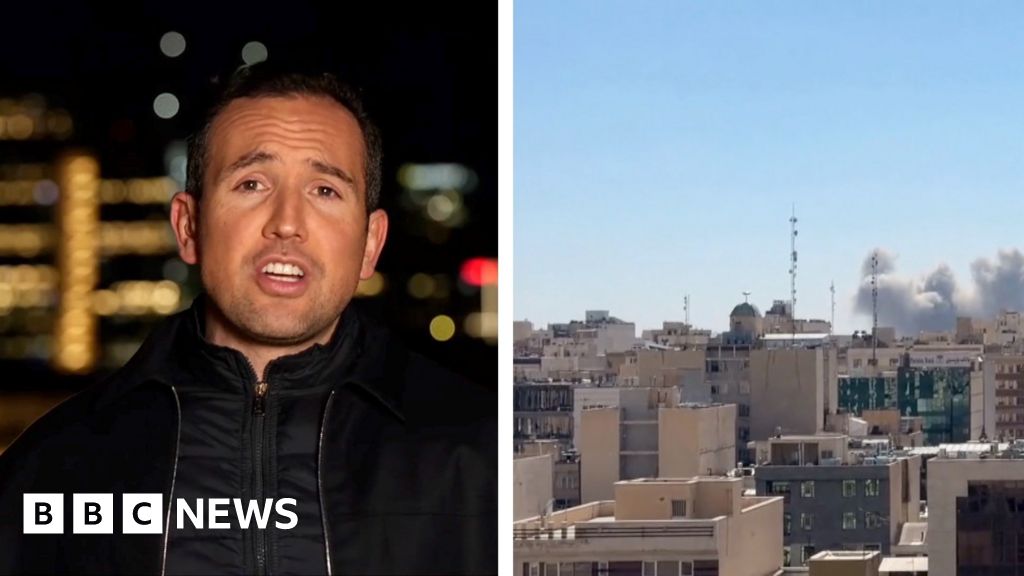
Escalating Tensions: US and Israel Continue Strikes on Iran Amid Rising Casualties
The conflict between the United States, Israel, and Iran is entering its third day, marked by continued retaliatory strikes and a growing toll of casualties across the region. Although the precise scope and objectives of the operations remain fluid, the situation is rapidly evolving, prompting international concern and raising fears of a wider regional war. US President Donald Trump has warned of potential further American losses, acknowledging the risks inherent in the ongoing military actions. The current escalation follows a period of heightened tensions, fueled by regional proxy conflicts and concerns over Iran’s nuclear program.
The immediate trigger for the current wave of violence remains contested, with both sides trading accusations. However, the strikes represent a significant escalation in the long-standing animosity between Iran and its adversaries. The involvement of both the US and Israel underscores the complex geopolitical dynamics at play, and the potential for miscalculation remains a serious concern. This unfolding crisis demands careful diplomatic engagement to prevent further escalation and protect civilian lives.
US Casualties and Iranian Response
The US Central Command (Centcom) has confirmed the deaths of three US service members and injuries to five others in action within Iran, as reported by rockymounttelegram.com. President Trump, in a statement posted on Truth Social, indicated the possibility of further American casualties, signaling a prolonged and potentially costly operation. The specific circumstances surrounding the deaths of the service members have not been fully disclosed, but Centcom has stated it is investigating the incident.
In response to the strikes, Iranian officials claim at least 153 people, including children, were killed in a strike that reportedly hit a school on Saturday. Iranian authorities have directly blamed the US and Israel for the attack. Centcom has stated it is looking into reports of the incident, while Israel’s military has denied any involvement, stating it is “not aware” of any IDF operations in the area. Verification of these claims is ongoing, and independent confirmation remains elusive. The reported attack on a school, if confirmed, would represent a significant escalation in the conflict and could further inflame tensions.
Regional Impact and Rising Death Toll
The conflict is not limited to direct engagements between the US, Israel, and Iran. The repercussions are being felt across the region, with reports of casualties in neighboring countries. The United Arab Emirates (UAE) has reported three deaths resulting from Iranian attacks since Saturday, and Kuwait has reported one fatality. These incidents highlight the risk of the conflict spreading beyond its initial boundaries and drawing in other regional actors. The potential for a wider regional war is a growing concern for international observers.
In Israel, nine people have been killed following a missile strike in the city of Beit Shemesh, according to medical services. This attack underscores the vulnerability of Israeli civilians to retaliatory strikes and the escalating nature of the conflict. The Israeli government has vowed to respond forcefully to any further attacks on its territory. The cycle of violence and retaliation is deepening, making a peaceful resolution increasingly difficult to achieve.
Hegseth’s Assessment and Lack of Timeline
As the conflict enters its third day, there is no clear indication of when it might end. Hegseth, speaking to the Times of Israel, has promised victory but refrained from setting a timeline for achieving it, as reported by The Times of Israel. This lack of a defined endpoint raises concerns about the potential for a protracted conflict with significant human and economic costs. The absence of a clear strategy and timeline could also complicate diplomatic efforts to de-escalate the situation.
The situation is further complicated by the differing perspectives of the involved parties. Iran views the US and Israel as aggressors, while the US and Israel portray their actions as necessary to deter Iranian aggression and protect their interests. This fundamental disagreement over the causes and objectives of the conflict makes it difficult to find common ground for negotiation.
International Response and Diplomatic Efforts
The international community is closely monitoring the escalating conflict and urging restraint. Numerous countries have called for de-escalation and a return to diplomatic solutions. However, the prospects for a swift resolution appear dim, given the entrenched positions of the involved parties. The United Nations Security Council is expected to convene an emergency session to discuss the crisis, but the likelihood of a consensus resolution is uncertain, given the geopolitical divisions within the Council.
The European Union has also expressed concern over the escalating violence and called for all parties to exercise restraint. EU officials are reportedly engaged in behind-the-scenes diplomatic efforts to mediate a ceasefire, but these efforts have yet to yield any tangible results. The EU’s ability to influence the situation is limited, given its lack of direct military involvement in the conflict.
Looking Ahead
The coming days will be critical in determining the trajectory of the conflict. The potential for further escalation remains high, and the risk of miscalculation is ever-present. The international community must redouble its efforts to de-escalate the situation and prevent a wider regional war. Continued diplomatic engagement, coupled with a commitment to protecting civilian lives, is essential to finding a peaceful resolution to this dangerous crisis.
The next key development to watch will be the outcome of the United Nations Security Council emergency session, scheduled for Tuesday, March 3rd, 2026. The Council’s response will likely signal the level of international consensus on how to address the escalating conflict.
What are your thoughts on the unfolding situation? Share your comments below and help us continue the conversation.
- Trump Calls Off Iran Strike: US Negotiates New Middle East Framework Amid Rising Tensions
- LA Galaxy vs FC Dallas: Matchday 19 Lineups – MLS
- Latest iOS 27 Features and Apple AI Security Updates (world-today-news.com)
- Coldcard Vulnerability Shakes Bitcoin Self-Custody: Joe Burnett Warns of a New Era (archynewsy.com)