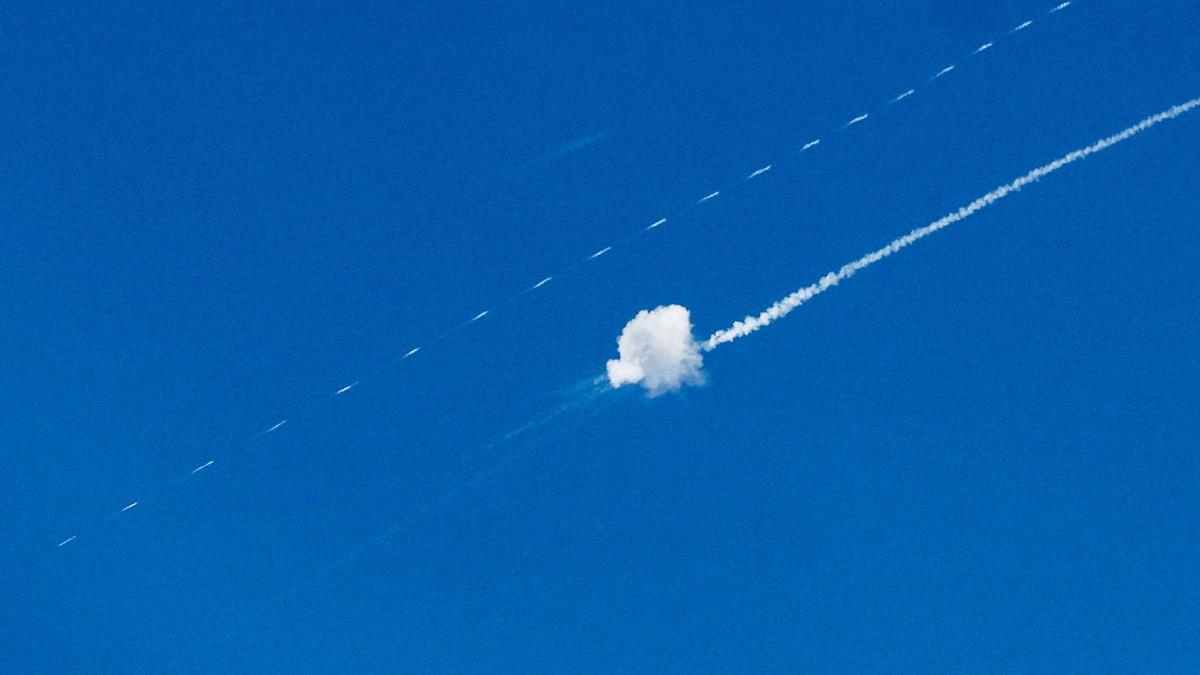
The escalating tensions in the Middle East have prompted discussions regarding potential diplomatic pathways to de-escalate the conflict between Israel and Iran. While acknowledging the ongoing military operations, Israeli officials have indicated a willingness to explore diplomatic solutions if Iran demonstrates a shift in its approach. This comes as international efforts intensify to prevent a wider regional war, with key players like India engaging in diplomatic outreach.
Israel’s Ambassador to India, Reuven Azar, stated unequivocally that Israel does not seek a “perpetual war” with Iran. Speaking on March 16, 2026, Azar emphasized that a diplomatic resolution remains possible, contingent upon a change in Iran’s behavior. He reiterated that the objectives of the current operations, launched jointly with the United States following the February 28th strike that killed Iran’s Supreme Leader Ali Khameini, have not been altered by recent retaliatory actions. The initial expectation, according to Azar, was for the conflict to last “a few weeks.”
Diplomatic Efforts and Regional Stability
The pursuit of diplomatic solutions is gaining momentum alongside the military operations. India’s External Affairs Minister S. Jaishankar, currently in Brussels for meetings with EU counterparts, has been actively involved in diplomatic efforts. He held discussions with European Commission President Ursula Von Der Leyen and reported “some results” in securing the safe passage of two Liquefied Natural Gas (LNG) laden ships through the Strait of Hormuz, a critical waterway for global energy supplies. Jaishankar expressed hope for further progress in ensuring the uninterrupted flow of vital resources through the region, signaling the broader economic implications of the conflict. He told the Financial Times that a reasoned and coordinated approach is preferable to continued escalation, a sentiment echoed by many international observers.
Responding to Jaishankar’s comments, Ambassador Azar affirmed Israel’s support for diplomatic engagement, stating that Israel is in contact with countries throughout the region. He suggested a potential path forward involving the completion of targeted strikes against Iranian military assets, followed by a return to the negotiating table. However, the Iranian government has publicly rejected any immediate talks or ceasefire, accusing the United States of undermining the diplomatic process by initiating military action even as negotiations were scheduled to resume. This impasse presents a significant challenge to de-escalation efforts.
Israel’s Stance and Objectives
When questioned about whether Israel’s position had shifted, particularly in light of previous statements regarding regime change, Azar maintained that the core objectives of the operation remain unchanged. These objectives include targeting key figures, such as the newly appointed Ayatollah Mojtaba Khamenei and dismantling Iran’s nuclear and missile capabilities. He emphasized that the current military actions are a response to attacks originating from Iran and directed not only at Israel but also at its regional partners, particularly in the Gulf states.
Azar reported that Israeli casualties from Iranian attacks have been relatively limited, with “less than two dozen” Israelis injured and over a hundred sustaining injuries. He confirmed that Prime Minister Benjamin Netanyahu was unharmed, dismissing reports suggesting the video of Netanyahu at a café was AI-generated, and stated he had met with the Prime Minister “more than once” during a recent visit to Israel. However, the conflict has taken a significant toll on civilian populations, with over 1,400 reported deaths in Iran as a result of U.S.-Israel strikes as of Monday, March 16, 2026, and more than 800 deaths in Lebanon. Nearly 50 civilians and 13 U.S. Armed forces personnel have also been killed in strikes carried out by Iran against other Gulf countries, highlighting the escalating regional impact of the conflict.
Discussion with Prime Minister Modi
Regarding potential discussions with India’s Prime Minister Narendra Modi prior to the commencement of the U.S.-Israel strikes, Azar acknowledged that the situation in the region was already volatile during Modi’s visit on February 25-26, 2026. However, he indicated that the “operational opportunity” arose only after Modi’s departure, with the Israeli Cabinet approving the operation two days later. This timeline suggests that while the situation was under discussion, the decision to launch military action was made subsequent to Modi’s visit.
The Broader Regional Context
The conflict between Israel and Iran is unfolding against a backdrop of complex regional dynamics and geopolitical interests. The Strait of Hormuz, a vital chokepoint for global oil supplies, has become a focal point of concern, as disruptions to shipping could have significant economic consequences. India, heavily reliant on Middle Eastern oil, has a vested interest in maintaining stability in the region. Jaishankar’s diplomatic efforts underscore India’s commitment to a peaceful resolution and the protection of its economic interests. The involvement of the European Union, through Von Der Leyen’s discussions with Jaishankar, further highlights the international community’s concern and its efforts to mediate a de-escalation.
The situation remains fluid and unpredictable. While Israel has expressed a willingness to consider diplomatic options, the Iranian government’s refusal to engage in talks presents a significant obstacle. The potential for miscalculation and escalation remains high, underscoring the urgent need for continued diplomatic efforts and a commitment to de-escalation from all parties involved. The international community’s role in facilitating dialogue and preventing a wider regional conflict will be crucial in the coming weeks.
Looking ahead, the next key development to watch will be the outcome of ongoing diplomatic efforts led by India and the European Union. Further discussions between Jaishankar and Iranian officials, as well as potential engagements with other regional stakeholders, will be critical in assessing the prospects for a ceasefire and a return to negotiations. The world awaits a sign that de-escalation is possible, and that a path towards a more stable and peaceful Middle East can be forged.
What are your thoughts on the potential for a diplomatic resolution to the conflict? Share your perspectives in the comments below, and please share this article with your networks to keep the conversation going.
Worth a look