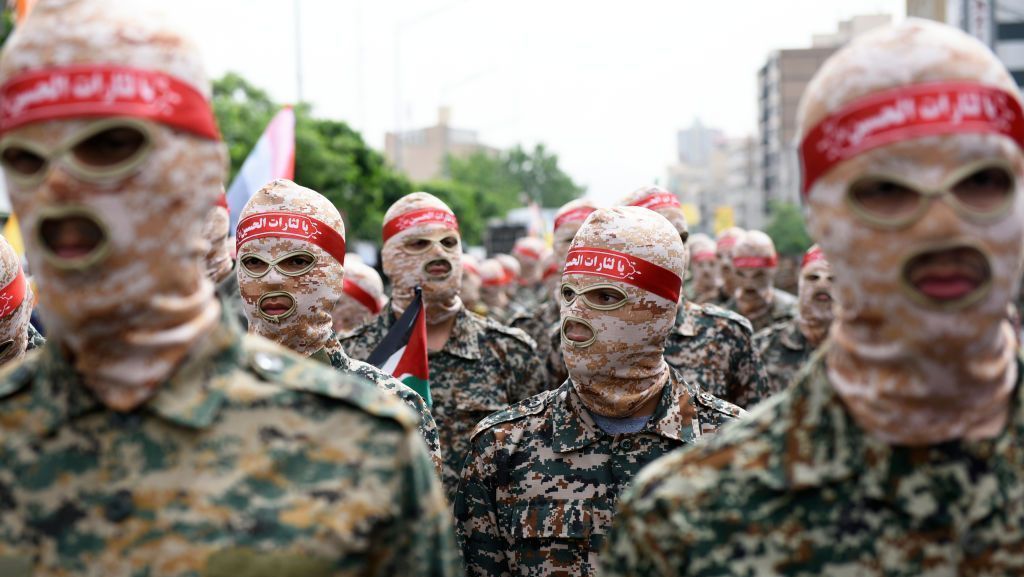
Iran Issues Rocket Launch Warning Amidst Heightened Tensions in the Gulf Region
Amidst escalating regional tensions, Iran has issued a Notice to Airmen (NOTAM) warning of planned rocket launches in areas of southern Iran on Thursday, February 19, 2026. The alert, reported by the U.S. Federal Aviation Administration, signals a period of increased military activity coinciding with naval exercises conducted by Iran and its allies. This development occurs against a backdrop of ongoing concerns regarding the security of vital shipping lanes, particularly the Strait of Hormuz, and a delicate diplomatic situation with the United States.
The NOTAM system is a critical component of aviation safety, providing essential warnings to pilots, flight crews, and other airspace users. The timing of this alert is particularly sensitive, as it follows a series of naval exercises involving Iran, Russia, and China in the strategically important Strait of Hormuz. These exercises, intended to demonstrate regional cooperation and maritime security capabilities, are viewed with concern by some international observers, particularly given the existing geopolitical complexities in the Middle East. The planned joint exercise with Russia further underscores Iran’s deepening strategic alignment with Moscow.
The situation is further complicated by heightened tensions with the United States, which has increased its military presence in the region. The U.S. Navy has positioned warships near Iran, a move interpreted by some as a show of force intended to deter potential aggression. Simultaneously, the Biden administration is reportedly evaluating its diplomatic strategy towards Iran, weighing the possibility of continued dialogue against alternative options. The potential for miscalculation and escalation remains a significant concern for international policymakers.
The current climate of heightened alert stems from a complex interplay of factors, including concerns over Iran’s nuclear program, its regional influence, and its relationship with the United States. The withdrawal of the United States from the Joint Comprehensive Plan of Action (JCPOA), commonly known as the Iran nuclear deal, in 2018, has led to increased uranium enrichment activities by Iran and a deterioration of diplomatic relations. The possibility of a military confrontation, while not imminent, remains a real and present danger.
Naval Exercises and Regional Power Dynamics
The naval exercises in the Strait of Hormuz, a critical chokepoint for global oil supplies, are a demonstration of Iran’s military capabilities and its commitment to safeguarding its maritime interests. According to the semi-official Fars News Agency, the exercises with Russia are aimed at protecting commercial vessels and oil tankers, as well as combating maritime terrorism. The exercises, organized by the Iranian Navy in the port city of Bandar Abbas, are intended to enhance cooperation between the two navies in planning and executing joint operations.
Rear Admiral Hassan Maqsoudlou stated that the exercises are designed to bolster maritime security and strengthen relations between the Iranian and Russian navies. First-class Captain Alexei Sergeev, commander of the Russian naval flotilla, highlighted the “close and friendly” relationship between the two countries, emphasizing their ability to jointly address numerous maritime and coastal challenges. This collaboration signals a growing alignment between Iran and Russia, both of which have faced international pressure and sanctions from Western powers.
The involvement of China in similar exercises, as reported on February 18, 2026, further underscores the evolving geopolitical landscape in the region. These joint military drills are seen as a message to the United States and its allies, demonstrating Iran’s ability to forge strategic partnerships and project power in the Persian Gulf and the Indian Ocean. The exercises also serve as a reminder of the vulnerability of global energy supplies to disruptions in this vital waterway. The Strait of Hormuz is a narrow passage between Iran and Oman, through which a significant portion of the world’s oil tanker traffic passes, making it a crucial artery for the global economy.
The exercises are taking place as parts of the Strait of Hormuz are temporarily closed for “safety precautions” during the military activities, as reported by Infomoney.com.br. While partial closures have occurred before, the current situation is particularly sensitive given the broader geopolitical context and the heightened tensions between Iran and the United States.
US-Iran Tensions and the Threat of Military Action
The current escalation in tensions between Iran and the United States has its roots in a series of events, including the reimposition of sanctions by the U.S. And Iran’s response to those sanctions. The situation has been further complicated by accusations of Iranian support for proxy groups in the region and concerns over Iran’s ballistic missile program. The potential for a military confrontation has been a recurring concern for policymakers and analysts.
Reports indicate that the Biden administration is carefully considering its options, with Vice President Kamala Harris stating that Washington is evaluating whether to continue diplomatic engagement with Tehran or pursue other avenues. This assessment comes amid growing frustration over the lack of progress in negotiations to revive the JCPOA. The U.S. Has repeatedly called on Iran to return to the negotiating table and to abide by the terms of the original agreement.
The rhetoric from both sides has been increasingly assertive. While the source material references former President Donald Trump’s threats of military action, the current administration has adopted a more cautious approach, emphasizing the importance of de-escalation and diplomacy. However, the U.S. Maintains a strong military presence in the region and has repeatedly warned Iran against any aggressive actions. The deployment of a U.S. Aircraft carrier strike group to the region serves as a visible demonstration of American resolve.
Iran, for its part, has consistently maintained that it is not seeking conflict but is prepared to defend its interests. Iranian officials have warned that any attack on Iranian territory would be met with a swift and decisive response. The country’s military capabilities, including its ballistic missile arsenal and its network of proxy groups, pose a significant challenge to regional stability. The Iranian government has also accused the United States of destabilizing the region through its military presence and its support for regional adversaries.
The situation is further complicated by internal political dynamics within Iran. The protests that erupted in early January, fueled by economic grievances and political discontent, highlighted the challenges facing the Iranian government. While the government has suppressed the protests, the underlying issues remain unresolved, and the potential for further unrest remains a concern. The government’s response to the protests, including the imposition of internet restrictions, has drawn criticism from international human rights organizations.
The Strategic Importance of the Strait of Hormuz
The Strait of Hormuz is arguably one of the most strategically important waterways in the world. Approximately 20% of global oil consumption passes through this narrow channel, making it a critical artery for the global energy market. Disruptions to shipping through the Strait of Hormuz could have significant economic consequences, leading to higher oil prices and disruptions to global trade.
The Strait’s narrowness – at its narrowest point, it is only 21 miles wide – makes it vulnerable to closure. Iran has repeatedly threatened to close the Strait in response to perceived threats or provocations. While a complete closure would be extremely difficult to achieve, even a partial disruption could have a significant impact on oil supplies. The United States Navy maintains a constant presence in the region to ensure the free flow of commerce through the Strait.
The geopolitical significance of the Strait of Hormuz extends beyond its role in oil transportation. It is also a key transit route for liquefied natural gas (LNG) and other vital commodities. The Strait is bordered by Iran on one side and Oman and the United Arab Emirates on the other, making it a focal point for regional rivalries and tensions. The security of the Strait is therefore a matter of concern for countries around the world.
The ongoing naval exercises and the heightened military presence in the region underscore the importance of maintaining stability in the Strait of Hormuz. Any escalation of tensions could have far-reaching consequences, not only for the Middle East but for the global economy as well. Diplomatic efforts to de-escalate the situation and to find a peaceful resolution to the underlying disputes are therefore crucial.
As tensions remain high, the international community will be closely monitoring the situation in the Persian Gulf. The next key development to watch will be the outcome of the ongoing naval exercises and any further statements from Iranian and U.S. Officials regarding their respective positions. Continued diplomatic engagement and a commitment to de-escalation are essential to prevent a potentially catastrophic conflict.
What are your thoughts on the escalating tensions in the Gulf? Share your perspectives in the comments below, and please share this article with your network to keep the conversation going.
Worth a look