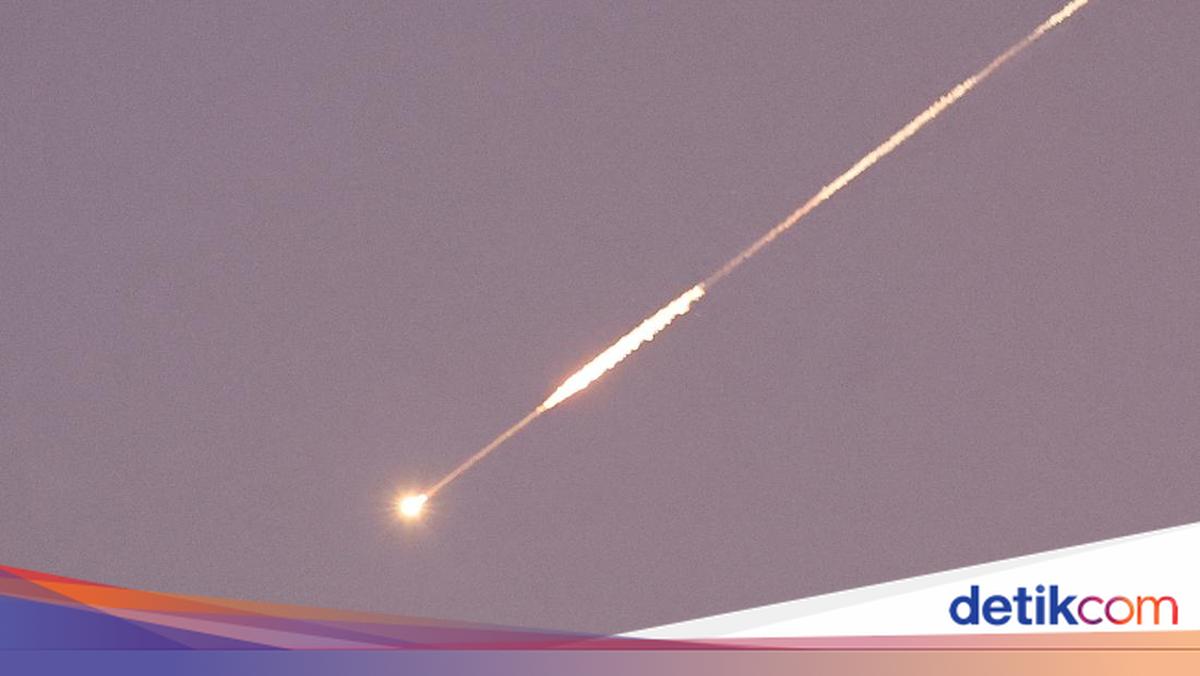
Escalating Tensions: Iran Launches Barrage of Missiles Towards US and Israeli Targets
The conflict in the Middle East entered its fifth day on Wednesday, March 4, 2026, with a significant escalation as Iran’s Islamic Revolutionary Guard Corps (IRGC) announced the launch of approximately 40 missiles targeting both the United States and Israel. This action represents a direct response to recent airstrikes conducted by the US and Israel against Iranian targets, igniting fears of a wider regional war. The IRGC stated, according to reports, that this was the 17th wave of its “Honest Promise 4” operation, aimed at striking American and Israeli objectives.
The recent exchange of fire began on Saturday, February 28, when the US and Israel initiated a series of aerial attacks within Iran. These strikes, which reportedly caused damage and civilian casualties, prompted the retaliatory missile launches from Iran. The situation remains highly volatile, with both sides signaling a willingness to continue military action. The potential for miscalculation and further escalation is a major concern for international observers.
While details regarding the specific targets and impact of the latest Iranian missile barrage remain limited, the IRGC’s announcement underscores the seriousness of the escalating conflict. The timing of these launches, coinciding with the fifth day of hostilities, suggests a deliberate attempt to demonstrate Iran’s resolve and capabilities. The international community is closely monitoring the situation, urging restraint and seeking diplomatic solutions to de-escalate the tensions.
Recent Strikes and Claims of Civilian Casualties
The IRGC has accused the US and Israel of deliberately targeting civilian infrastructure, including schools, hospitals, stadiums, restaurants, and wedding venues, in an attempt to instill panic among the Iranian population. According to the IRGC, the number of civilian casualties has exceeded 700. Specifically, the IRGC alleges that a family was killed by a Tomahawk missile strike in Oshnavieh, and five individuals perished when a US missile struck a private vehicle in Salman. Further, the IRGC claims a couple was killed in Urmia’s Kasemiyeh district after a US missile hit their home. These claims, however, require independent verification.
The reported strikes on February 28th have been a focal point of the escalating tensions. Iranian state television reported that Supreme Leader Ali Khamenei was killed in those attacks, a claim that has not been independently confirmed by international sources. Antara News reported on March 4, 2026, that the IRGC vowed retaliation for the attacks.
US and Israeli Responses and Warnings
Following Iran’s missile launches, the US Central Command (CENTCOM) reported on Tuesday that Iran had launched over 500 ballistic missiles and more than 2,000 drones in its retaliatory strikes across the Middle East. This represents a substantial escalation in the intensity of the conflict and highlights Iran’s significant military capabilities. The sheer volume of projectiles launched poses a considerable challenge to defense systems in the region.
US officials, including President Donald Trump and other senior members of his administration, have warned that the conflict with Iran could result in further American military casualties. These warnings underscore the growing risks faced by US forces stationed in the Middle East, as Iran continues to vow retribution for perceived aggression. The potential for direct confrontation between US and Iranian forces remains a significant concern.
Israeli Prime Minister Benjamin Netanyahu stated on Monday, March 2, that the war between the US, Israel, and Iran may last “a while,” but would not extend for years. This statement suggests a belief that the conflict, while potentially prolonged, is ultimately containable. However, the ongoing escalation and the potential for miscalculation raise doubts about the accuracy of this assessment.
Concerns Over US Troop Safety and Diplomatic Efforts
The risk to US troops in the Middle East was discussed during a closed-door briefing on Tuesday, March 3, with members of the US Congress. The briefing, led by Defense Secretary Pete Hegseth, Chairman of the Joint Chiefs of Staff General Dan Caine, CIA Director John Ratcliffe, and Secretary of State Marco Rubio, reportedly conveyed a grim assessment of the situation. Senator Chris Murphy, a Democrat, revealed that officials warned that more American lives would be lost and that defense systems might be unable to intercept all incoming drones. This underscores the gravity of the situation and the potential for significant casualties.
The international community is actively engaged in diplomatic efforts to de-escalate the conflict and prevent a wider regional war. However, the deep-seated animosity between Iran and its adversaries, coupled with the complex geopolitical dynamics of the Middle East, presents significant challenges to these efforts. A lasting resolution will require a comprehensive approach that addresses the underlying causes of the conflict and fosters trust between all parties involved.
Key Takeaways
- Iran launched approximately 40 missiles towards US and Israeli targets on March 4, 2026, in retaliation for recent airstrikes.
- The IRGC accuses the US and Israel of targeting civilian infrastructure and reports over 700 civilian casualties, claims that require independent verification.
- US officials have warned of potential American military casualties as the conflict escalates.
- Diplomatic efforts to de-escalate the situation are underway, but face significant challenges.
The situation remains fluid and highly unpredictable. Further developments are expected in the coming days as both sides assess the impact of the latest exchanges and formulate their next steps. The international community will continue to monitor the situation closely and urge all parties to exercise restraint and prioritize diplomatic solutions. The next key event to watch will be the response from the US and Israel to Iran’s latest missile launches, and any further statements from the Iranian government regarding their intentions.
World Today Journal will continue to provide updates on this developing story as more information becomes available. We encourage readers to share their thoughts and perspectives in the comments section below.
Keep reading