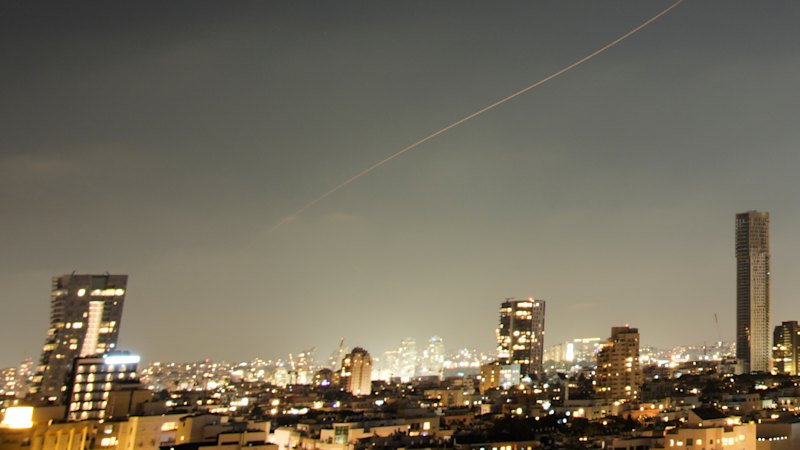
Israeli Prime Minister Benjamin Netanyahu has vowed to respond “with force” should Iran violate the current cessation of hostilities, following a period of intense military escalation between the two nations. The warning comes in the wake of a significant exchange of fire, during which Tehran launched a salvo of missiles toward Israel after Israeli forces conducted strikes against military targets located in western and central Iran.
As the regional situation remains volatile, the international community continues to monitor the border and airspace for further signs of friction. The current tensions are part of a broader, long-standing geopolitical rivalry that has frequently manifested in direct military confrontations, raising concerns regarding the stability of the Middle East.
The Context of Recent Military Engagements
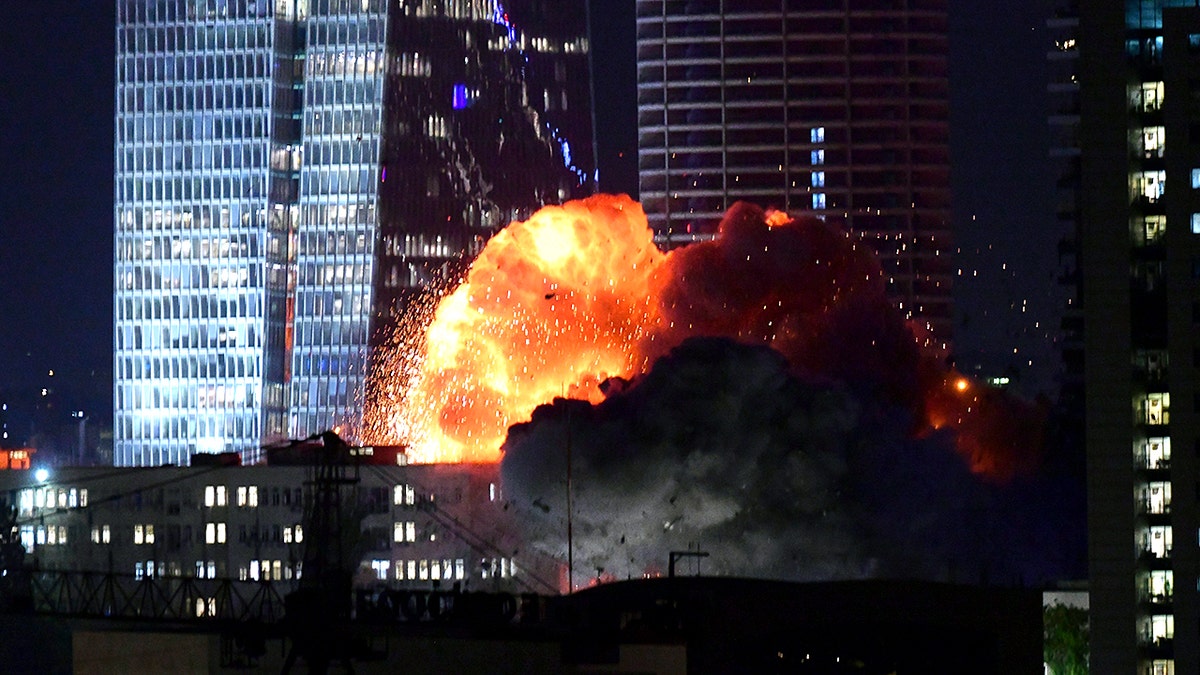
The latest cycle of violence began when Israel targeted specific military infrastructure within Iranian territory, citing security concerns. In direct response to these strikes, Tehran launched a large-scale missile assault aimed at Israeli targets. This sequence of events marks a high-stakes moment for regional security, as both nations navigate the thin line between deterrence and open conflict.
According to official statements, the Israeli leadership views these actions as a necessary defense of its sovereignty. Conversely, Tehran has characterized its missile response as a measured reaction to what it termed an act of aggression. The rapid escalation underscores the fragile nature of the current state of affairs, with both sides maintaining high levels of military readiness.
Geopolitical Implications and International Reactions
The regional impact of this escalation is significant, affecting not only the immediate security of the populations in Israel and Iran but also drawing the attention of global powers. Diplomatic channels have been active, with various nations urging restraint to prevent a wider conflagration. The involvement of international actors is critical, as any miscalculation could lead to a broader regional conflict with far-reaching economic and humanitarian consequences.
For observers and those following the situation, the primary concern remains the potential for a return to active hostilities. The current pause in fighting is seen as a precarious window for diplomatic intervention rather than a permanent resolution to the underlying issues. The situation is evolving, and updates are expected as government officials and international mediators evaluate the next steps in the de-escalation process.
What Happens Next?
Moving forward, the focus remains on whether the current halt in fighting will hold or if the rhetoric of “responding with force” will translate into further military action. The Israeli government has not provided a specific timeline for its potential next steps, maintaining that its response will be determined by the actions of its adversaries. Meanwhile, international observers are monitoring official announcements from both capitals for any shift in military posture.
We will continue to provide updates as official statements are released and as the situation on the ground develops. For those interested in the latest developments, we encourage readers to monitor official government briefings and verified international reporting for the most accurate information. We welcome your perspectives and invite you to share this report as we continue to track this critical geopolitical story.
Keep reading