Tensions in the Middle East have escalated sharply as United States forces engaged in a series of military actions following recent missile attacks in the region. According to official reports from U.S. Central Command (CENTCOM), American forces conducted what officials described as “self-defense” strikes in southern Iran, aimed at neutralizing threats posed to U.S. Troops stationed in the area.
This latest surge in hostilities follows reports of intercepted missile activity and reciprocal exchanges of fire. The situation remains fluid, with international observers monitoring the impact of these strikes on regional stability. The U.S. Military has framed these operations as a necessary measure to protect personnel after a period of heightened attempted attacks, as detailed in official updates provided by CENTCOM.
Military Engagements and Strategic Context
The recent military activity centers on a series of exchanges between U.S. Assets and Iranian facilities. Reports indicate that U.S. Forces carried out strikes on Qeshm Island and targeted missile launch sites in southern Iran. These actions were taken in direct response to what the U.S. Military identified as a series of attempted attacks against American interests in the Middle East throughout the week. Captain Tim Hawkins, representing Central Command, confirmed that the strikes were executed to ensure the safety of U.S. Forces operating in the region.

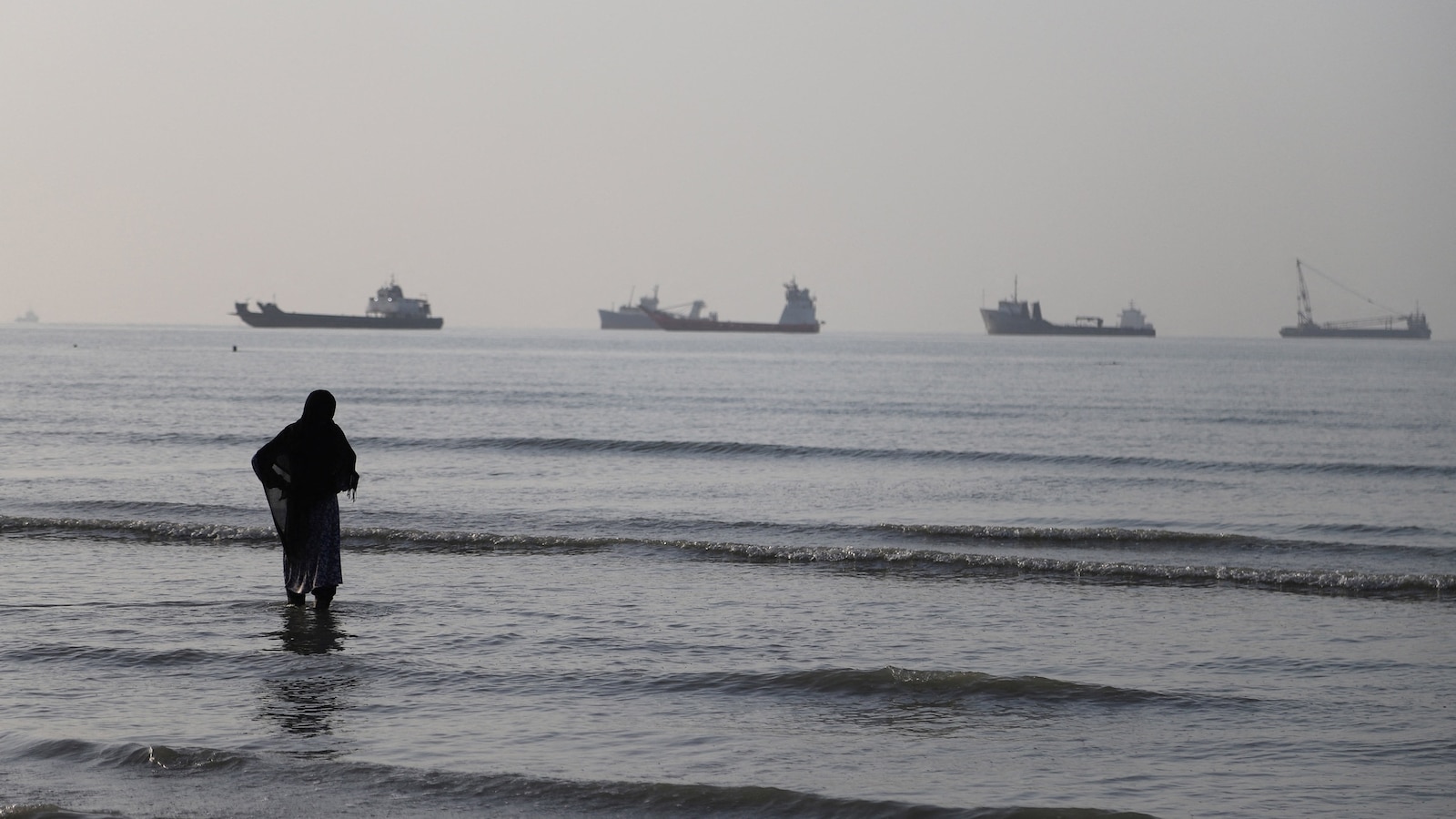
Parallel to these developments, reports from state media have described a reciprocal exchange involving U.S. Military vessels positioned near the Strait of Hormuz and south of the port of Chabahar. The exact nature of these exchanges remains a focal point for global security analysts, who are assessing the risk of a wider escalation in one of the world’s most critical maritime corridors.
Understanding the Regional Impact
The escalation marks a significant moment in the ongoing geopolitical friction between Washington and Tehran. For many, the primary concern is the potential for these “self-defense” strikes to trigger a cycle of retaliation. The strategic importance of the Strait of Hormuz—a vital artery for global energy supplies—adds a layer of economic urgency to the diplomatic efforts currently underway. As international leaders call for restraint, the focus remains on whether these tactical strikes will remain limited in scope or serve as a precursor to more sustained military posturing.
For those tracking the situation, the fluidity of the reporting emphasizes the importance of relying on official statements from military commands and recognized international diplomatic channels. The current environment is characterized by rapid updates and the situation on the ground continues to evolve in real-time.
Key Developments and Official Communication
Communication from both sides has been sparse but deliberate. While U.S. Central Command has maintained that the strikes are strictly defensive, Iranian state media has characterized the exchanges as a reciprocal response to U.S. Naval activity. The lack of a clear diplomatic framework for de-escalation at this hour has left global markets and regional neighbors in a state of heightened alert.
Observers should monitor official channels for further updates, as the situation remains subject to change based on military intelligence and diplomatic maneuvering. The volatility of the region necessitates a cautious approach to interpreting unverified reports circulating on social media platforms, as official verification from CENTCOM remains the standard for assessing the scope of these operations.
What Happens Next?
Looking ahead, the international community is awaiting further briefings from the Department of Defense and potential statements from the United Nations Security Council regarding the stability of the Strait of Hormuz. No formal timeline for a cessation of hostilities has been announced, and military planners are expected to continue monitoring the effectiveness of the recent strikes against identified launch sites.

We will continue to provide updates as verified information becomes available from official sources. Please continue to check back for the latest developments regarding this unfolding regional situation. We welcome your perspectives on the diplomatic implications of these events in the comments section below.
Keep reading