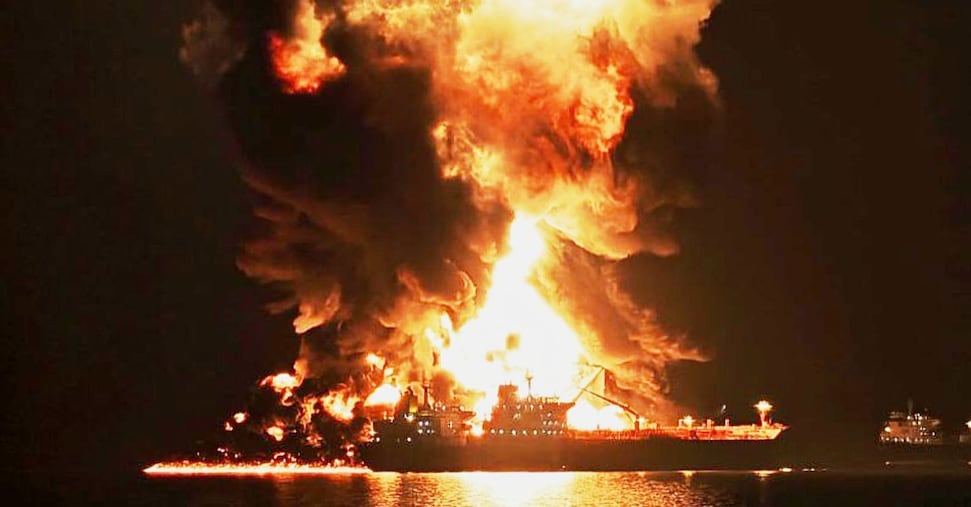
Tehran, Iran – Escalating tensions in the Middle East are drawing increased scrutiny to Iran’s internal power dynamics and regional strategies. Reports of an explosion in Tehran coinciding with heightened security concerns in Iraq, coupled with ongoing anxieties over the Strait of Hormuz, paint a complex picture of a nation navigating multiple challenges. These developments come as international observers closely monitor Iran’s response to regional instability and potential external threats, including the possibility of conflict with the United States, and Israel.
The situation is further complicated by alleged threats against French interests in Iraq and the wider region, reportedly from a pro-Iranian group. This adds another layer of complexity to an already volatile situation, raising concerns about potential retaliatory actions and further escalation. Simultaneously, Italy is hosting a high-level defense council meeting, underscoring the international community’s growing concern over the unfolding events in the Middle East and the potential for wider conflict. The interplay of these factors demands careful analysis and a nuanced understanding of the geopolitical landscape.
Explosion in Tehran and Allegations of External Involvement
An explosion rocked a square in Tehran on Friday, reportedly near planned demonstrations commemorating Al-Quds Day, a pro-Palestinian event. Iranian state television, IRIB, broadcast images showing plumes of smoke rising from the area. According to reports from Sky News UK, Ali Larijani, the head of Iran’s Security Council, was reportedly present in the vicinity during the incident. The semi-official Tasnim news agency attributed the explosion to a “bombardment” allegedly carried out by the United States and Israel, targeting an area south of Enghelab Street, a major thoroughfare in Tehran. Iran International reported on these developments.
the claim of a U.S.-Israeli bombardment has not been independently verified by other sources. The circumstances surrounding the explosion remain unclear, and further investigation is needed to determine the cause and extent of the damage. The timing of the incident, coinciding with Al-Quds Day protests, raises questions about potential motivations and targets. Al-Quds Day is an annual event initiated by Iran’s revolutionary leader Ayatollah Ruhollah Khomeini in 1979, intended to express solidarity with Palestinians.
Iran’s Actions in the Strait of Hormuz and Regional Maritime Security
Adding to the regional tensions, reports indicate that Iran has begun deploying compact boats to lay mines in the Strait of Hormuz, a critical waterway for global oil shipments. The Novel York Times, citing a U.S. Official with intelligence knowledge, reported on this new strategy. The U.S. Military has previously stated it has destroyed larger Iranian vessels capable of rapidly deploying mines in the strait. The Islamic Revolutionary Guard Corps (IRGC) possesses a substantial fleet of these smaller boats, which have been used in the past to harass larger ships, including those belonging to the U.S. Navy. DW.com details the IRGC’s capabilities in this regard.
Mojtaba Khamenei, the new Supreme Leader of Iran, reportedly stated in a written message that “the lever of blocking the Strait of Hormuz must continue to be utilized.” This statement underscores Iran’s willingness to leverage its control over the Strait of Hormuz as a point of pressure in regional and international disputes. The Strait of Hormuz is a narrow passage connecting the Persian Gulf to the Gulf of Oman and the Arabian Sea, and it is estimated that about 20% of the world’s oil supply passes through it daily. Any disruption to traffic through the strait could have significant global economic consequences.
Italian Defense Council and International Response
In response to the escalating situation, Italy convened a meeting of its Supreme Defense Council, presided over by President Sergio Mattarella and attended by Prime Minister Giorgia Meloni and relevant ministers. The meeting focused on the war in Iran and the Middle East, analyzing the international situation and the effects of the ongoing crisis. This demonstrates a growing international concern about the potential for wider conflict and the require for coordinated diplomatic efforts. The Italian government’s response reflects a broader European effort to de-escalate tensions and prevent further instability in the region.
The threat to French interests in Iraq and the region, reportedly from a pro-Iranian group, adds another layer of complexity to the situation. Whereas details remain scarce, this development suggests a potential for retaliatory actions and further escalation. The specific nature of the threatened interests and the identity of the group involved remain unclear, but the claim underscores the potential for spillover effects from the broader regional tensions.
Ali Larijani: A Key Figure in Iranian Politics
Ali Larijani, the head of Iran’s Security Council, has emerged as a significant figure in Iranian politics. He has held various high-ranking positions throughout his career, including Speaker of the Iranian Parliament and Secretary of the Supreme National Security Council. Reports suggest he is increasingly influential in shaping Iran’s domestic and foreign policies. His presence at the site of the Tehran explosion, as reported by Sky News UK, highlights his continued involvement in security matters. Larijani is often described as a pragmatic conservative, and his role in navigating the current crisis will be closely watched.
Larijani’s influence stems from his long-standing ties to the Iranian establishment and his ability to navigate the complex political landscape. He is considered a key player in negotiations with foreign powers and a staunch defender of Iran’s national interests. His position as head of the Security Council gives him significant authority over matters of national security and foreign policy.
Key Takeaways
- Tensions are escalating in the Middle East, with an explosion reported in Tehran and concerns over Iran’s actions in the Strait of Hormuz.
- Iran’s deployment of small boats to lay mines in the Strait of Hormuz poses a threat to global maritime security.
- Italy has convened a high-level defense council meeting to address the escalating crisis.
- Threats against French interests in Iraq and the region add another layer of complexity to the situation.
- Ali Larijani remains a key figure in Iranian politics, playing a significant role in shaping the country’s response to regional challenges.
The situation remains fluid and unpredictable. International efforts to de-escalate tensions and prevent further conflict will be crucial in the coming days and weeks. The next key development to watch will be the outcome of the Italian Defense Council meeting and any subsequent diplomatic initiatives. Further updates on the investigation into the Tehran explosion are also expected. We will continue to monitor the situation closely and provide updates as they become available.
Do you have thoughts on the evolving situation in the Middle East? Share your perspectives in the comments below.
Related reading