
The geopolitical tension surrounding the Middle East has entered a precarious new phase as the United States and Iran navigate a fragile ceasefire. At the heart of this diplomatic stalemate is the contentious issue of Iran’s uranium enrichment programme, a point of friction that has defined Western relations with Tehran for more than two decades.
While the U.S. Administration has signaled a desire for a deal that would see the complete cessation of enrichment activities, the reality on the ground remains clouded by uncertainty. The strategic stakes are high, as the U.S. And its allies have long accused Tehran of utilizing its nuclear infrastructure to pursue the development of atomic weapons.
Current developments suggest a sharp divide between the public assertions of the U.S. Presidency and the operational reality of Iran’s nuclear capabilities. As a two-week ceasefire attempts to pause 40 days of active conflict, the fate of highly enriched uranium continues to be the primary obstacle to a lasting peace agreement according to reports from The New York Times.
The U.S. Position: A Push for Total Removal
President Donald Trump has publicly outlined a vision for a new deal with Iran that would fundamentally alter the country’s nuclear trajectory. According to the President, the proposed framework would ensure that there is no further enrichment of uranium. This stance represents a significant escalation in demands compared to previous diplomatic efforts.
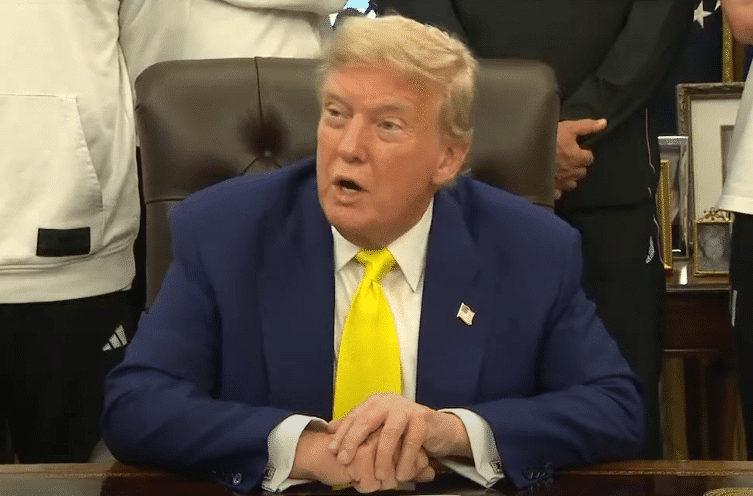
In a recent communication, President Trump stated that the United States would work with Iran to “dig up and remove” nuclear materials. Specifically, the President referenced the removal of “deeply buried” nuclear “dust,” suggesting a comprehensive cleanup of sites that were targeted by joint U.S.-Israeli strikes during the previous summer as reported by The Hill.
This objective is not merely about stopping future production but involves the physical extraction of enriched uranium that was buried under the debris of those strikes. The administration’s goal is to ensure that no viable material remains that could be repurposed for weapons grade use per PBS NewsHour.
Diplomatic Friction and the Ceasefire Gap
Despite the optimistic rhetoric from the White House, there is a notable lack of confirmation from Tehran. While the U.S. Claims a path forward involving the removal of uranium, Iranian officials have not confirmed that such an agreement is in place or that they are willing to comply with these specific demands.
The current ceasefire, agreed upon by U.S. And Iranian officials, provides a temporary window of stability. However, this pause is fraught with tension. The primary concern for international observers is that the ceasefire addresses the immediate violence of the last 40 days of war but fails to resolve the underlying nuclear dispute via The New York Times.
The disconnect is clear: the U.S. Is pushing for a deal that rules out enrichment entirely, while the Iranian leadership has historically viewed its nuclear programme as a sovereign right and a central pillar of its national security strategy. This impasse leaves the status of highly enriched uranium in a state of limbo, with no verified agreement on its disposal or restriction.
Why Uranium Enrichment Matters
To understand the gravity of this dispute, one must understand the process of enrichment. Uranium enrichment is the process of increasing the proportion of the isotope uranium-235. While low-enriched uranium is used for civilian nuclear power, highly enriched uranium can be used to create nuclear weapons.
For over twenty years, the international community has sought to limit Iran’s ability to reach the enrichment levels necessary for a weapon. The U.S. And its allies argue that any level of enrichment provides a “breakout” capability—the ability to quickly produce enough material for a bomb—which is why the current administration is insisting on the total removal of buried materials and a ban on further enrichment.
Key Takeaways of the Current Crisis
- The Ceasefire: A two-week pause is currently in effect following 40 days of war between the U.S. And Iran.
- U.S. Demands: President Trump asserts that a new deal will prohibit uranium enrichment and involve the “digging up” of buried nuclear materials.
- Iranian Response: Tehran has not confirmed the U.S. Claims regarding the removal of enriched uranium.
- The Core Conflict: The primary point of contention remains whether Iran will accept restrictions on its enrichment programme to avoid further conflict.
The international community now watches to see if the ceasefire can transition from a temporary pause in hostilities to a substantive diplomatic breakthrough. The next critical checkpoint will be the expiration of the two-week ceasefire, at which point officials will determine if the pause can be extended or if the nuclear dispute will lead to a resumption of conflict.
We invite our readers to share their perspectives on this developing geopolitical situation in the comments below.
Keep reading