
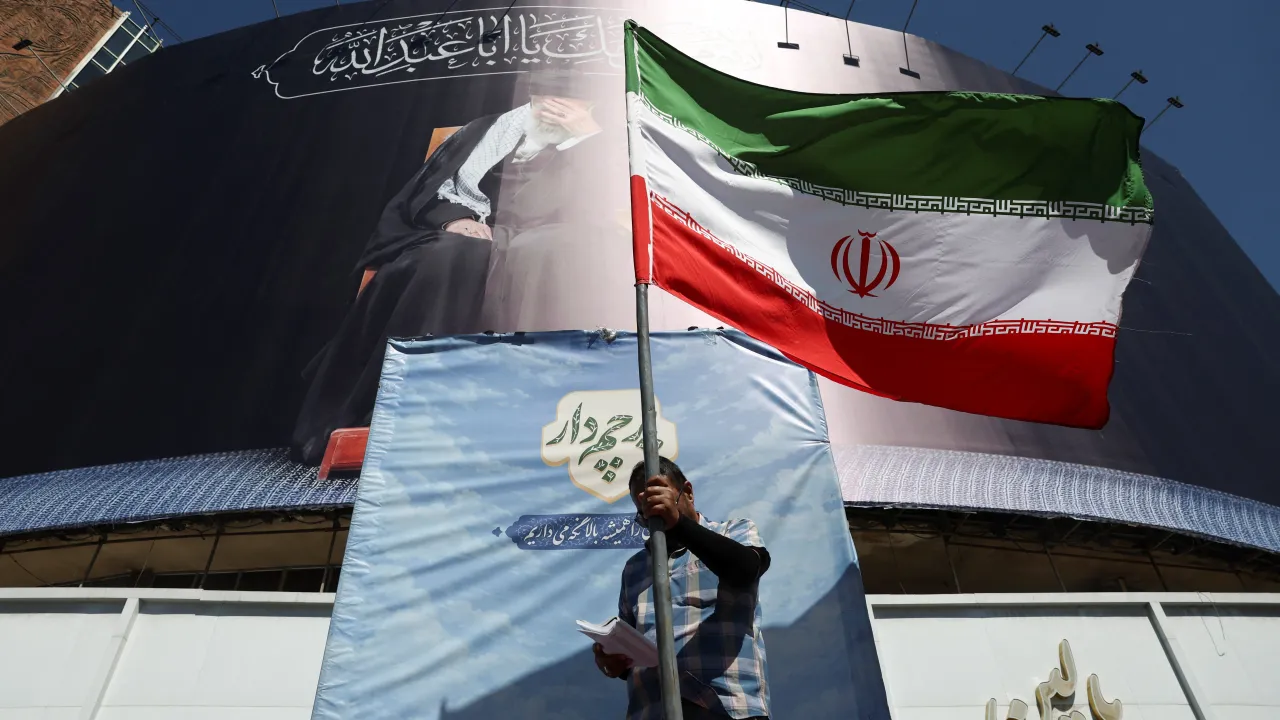
Iranian officials have categorically denied plans to engage in direct negotiations with United States envoys in Doha, contradicting recent speculation regarding a potential diplomatic breakthrough. According to the Iranian Foreign Ministry, there is no scheduled agenda for bilateral meetings, maintaining a firm stance on the current lack of diplomatic engagement between Tehran and Washington.
This development follows a period of heightened regional tension and international efforts to stabilize the Middle East. While various reports have suggested back-channel communications or shifting policies regarding frozen assets, the official position from Tehran remains that no formal encounter with U.S. representatives is on the horizon. The denial serves to clarify the parameters of Iran’s current diplomatic strategy, which prioritizes specific conditions for broader regional stability over direct, ad-hoc negotiations with the United States.
The Context of Diplomatic Speculation
Speculation regarding talks in Qatar often centers on the role of Doha as a frequent mediator between the two nations. However, Iranian authorities have consistently emphasized that any movement toward easing tensions is subject to their own set of prerequisites, rather than immediate bilateral talks. These conditions, which Tehran frequently frames as significant milestones, are often tied to the broader geopolitical landscape, including the status of regional security and the unfreezing of financial assets.

The complexity of these relations is compounded by the status of Iranian funds held in international accounts. Reports circulating regarding the potential release or management of six billion dollars in frozen assets reflect the ongoing economic stakes involved in these diplomatic maneuvers.
Economic Factors and Regional Stability
The intersection of energy markets and diplomacy remains a critical point of interest for global observers. Reports of tanker activity and the movement of oil and gas resources have led some analysts to suggest a cooling of tensions, yet these commercial movements are often independent of official diplomatic policy. The Iranian government continues to link its economic recovery to the removal of unilateral sanctions, a position that remains at odds with the current U.S. administration’s requirements for renewed nuclear or regional security agreements.
For observers, understanding the distinction between commercial logistics and diplomatic dialogue is essential. While private sector actors may navigate the complexities of sanctions to facilitate energy transport, this does not necessarily signal a thaw in the rigid political relationship between Tehran and Washington.
What Happens Next?
The situation remains fluid, characterized by a lack of formal communication channels. As of now, both nations appear to be maintaining their established positions, with Iran focusing on internal economic priorities and the U.S. continuing its policy of containment.

Observers should monitor official press briefings from the Iranian Foreign Ministry and the U.S. State Department for the only verified updates regarding potential changes to this diplomatic deadlock. There are no currently scheduled public forums or bilateral summits that would include both U.S. and Iranian official delegations. We encourage our readers to share their perspectives on these developments in the comments section below as we continue to track this evolving story.