Escalating Conflict: Reported U.S. Strikes Near Iranian School Raise Concerns
The conflict between the United States and Iran continues to escalate, with recent reports detailing a significant increase in U.S. Military action against Iranian targets. Amidst a backdrop of mourning for Ayatollah Ali Khamenei, the former supreme leader of Iran, and warnings of retaliation from Tehran, the U.S. Military has reportedly struck over 20 Iranian vessels, according to U.S. Central Command (CENTCOM). These actions are unfolding as Washington urges American citizens to depart the Middle East, fearing further escalation. The situation is further complicated by reports of a U.S. Strike near a school in Iran, raising questions about targeting and potential civilian casualties. The U.S. Government is preparing for what officials describe as a larger wave of military strikes against Iran in the coming days, according to briefings given to lawmakers.
The latest developments include the reported torpedoing of an Iranian ship in the Indian Ocean, with Sri Lanka’s navy rescuing 32 individuals following a distress call from the Iranian vessel, the IRIS Dena. Simultaneously, Iranian Foreign Minister Abbas Araghchi has condemned the sinking of the Iranian warship, stating that the U.S. Will “bitterly regret” the action and rejecting any possibility of negotiations or a ceasefire. These statements come as thousands of Americans remain stranded in the Middle East, prompting criticism of the Trump administration’s preparedness. The U.S. Navy is also considering escorting oil tankers through the Strait of Hormuz, a critical waterway that Iran has threatened to block, further heightening tensions in the region.
Amidst the broader conflict, reports have surfaced regarding a U.S. Strike that impacted an area near a school in Minab, Iran. While the precise intent of the strike remains unclear, analysis of satellite imagery and eyewitness accounts suggest a targeted attack on a compound that formerly served as an Islamic Revolutionary Guard Corps (IRGC) base. The incident has sparked concerns about the potential for civilian harm and the complexities of military operations in areas with dual-use infrastructure. The reported death toll continues to rise, with Iranian state media reporting over 940 fatalities from Israeli and American strikes, and 11 deaths within Israel due to Iranian retaliatory fire. The U.S. Government has confirmed the deaths of six service members, at least five of whom were killed in a drone attack on a port in Kuwait.
Targeting and Civilian Impact: The Minab School Incident
The reported U.S. Strike near the school in Minab has drawn scrutiny due to the potential for civilian casualties and questions surrounding the targeting process. According to reports, the site previously functioned as an IRGC base, but had been repurposed over time to include community facilities such as a clinic, a school, a supermarket, a cultural hall, and a car wash. The school itself reportedly opened in 2015, operating on the grounds of the former military installation. Satellite imagery from 2016 indicates that the school area had been separated from the rest of the compound, with watchtowers removed from the perimeter wall. NBC News reported on this imagery.
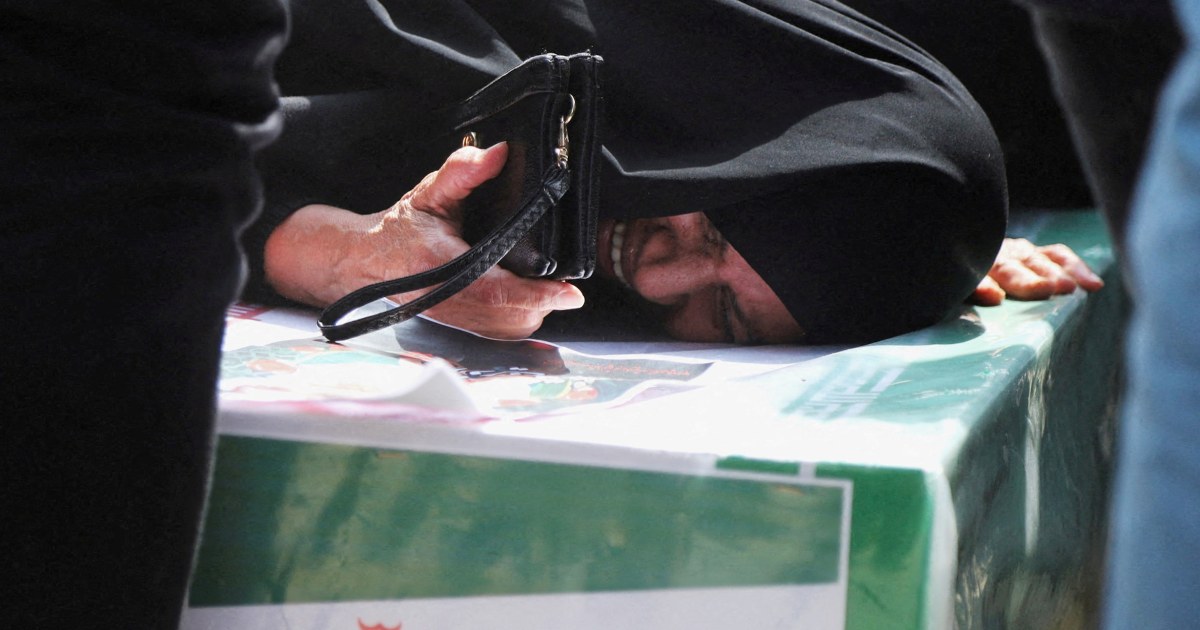
Eyewitness accounts paint a harrowing picture of the aftermath of the strike. Monazah, whose son Soheil was killed just days before his eighth birthday, described the school collapsing on top of children, with rescuers pulling out severed limbs and heads. Qasemi, a first responder, reported finding extensive rubble and children trapped underneath, describing scenes of “severed heads, severed hands, and bodies torn apart.” These accounts underscore the devastating human cost of the conflict and raise serious questions about the proportionality of the response. The clinic, opened by the IRGC Navy in January 2025, was also reportedly struck, resulting in injuries, according to reports from the semiofficial Iranian news agency ISNA.
Precision Strike Analysis and Ongoing Debate
Analysis of the strike has focused on the apparent precision of the attack. Experts in arms control and open-source intelligence, such as Jeffrey Lewis, have suggested that each building within the compound appeared to have been individually targeted, likely with bombs dropped by aircraft. Lewis stated that the “targeting of this site is incredibly accurate” and that the “explosion damage is incredibly precise.” Rich Weir, senior advisor at Human Rights Watch, noted that the compact circular holes in the rooftops of the structures indicated the use of highly accurate, guided munitions. NBC News detailed these assessments.
However, experts caution that determining whether the strike was truly “precise” requires understanding the intended target. Corey Scher, a postdoctoral researcher at Oregon State University, noted that the fact that most bombs directly hit buildings suggests a deliberate targeting strategy. However, he also cautioned that without knowing the intended target, it is demanding to assess whether the strike was justified. Jamon Van Den Hoek, Scher’s colleague, observed that the concentration of impact sites within the compound suggests that something within the complex was the focus of the attack. The question of whether the responsible party was aware that the compound housed a school remains unanswered.
Geopolitical Implications and Future Outlook
The escalating conflict between the U.S. And Iran has far-reaching geopolitical implications. The death of Ayatollah Ali Khamenei has created a power vacuum within Iran, potentially leading to internal instability and shifting regional dynamics. The U.S. Military actions, coupled with the ongoing tensions in the Strait of Hormuz, threaten to disrupt global oil supplies and further destabilize the Middle East. The rejection of negotiations by Iranian Foreign Minister Abbas Araghchi signals a continued hardline stance from Tehran, making a diplomatic resolution increasingly challenging. The failed Senate vote to restrict President Trump’s military authority underscores the political divisions within the U.S. Regarding the handling of the crisis.
The situation is further complicated by the presence of thousands of American citizens stranded in the Middle East, highlighting the need for effective evacuation strategies and diplomatic efforts to de-escalate the conflict. The Israeli military’s warning to residents of Beirut to evacuate underscores the risk of a wider regional war, potentially drawing in additional actors and exacerbating the humanitarian crisis. The ongoing attacks and counterattacks between the U.S., Iran, and Israel have created a volatile environment, with the potential for miscalculation and unintended consequences. The U.S. Has struck or sunk over 20 Iranian ships, a significant escalation in military action.
Key Takeaways
- The U.S. Military has significantly increased its actions against Iranian targets, including the reported sinking of over 20 Iranian vessels.
- A U.S. Strike near a school in Minab, Iran, has raised concerns about civilian casualties and the targeting process.
- Iranian officials have condemned the U.S. Actions and rejected any possibility of negotiations.
- Thousands of American citizens remain stranded in the Middle East, prompting criticism of the U.S. Government’s preparedness.
- The death of Ayatollah Ali Khamenei has created a power vacuum in Iran, adding to the region’s instability.
As the situation continues to evolve, the international community is closely monitoring developments and urging restraint. The next key event to watch will be the anticipated “overwhelming” wave of military strikes on Iran, as indicated by top Trump administration officials. The potential for further escalation remains high, and the need for diplomatic solutions is more urgent than ever. We encourage readers to share their thoughts and perspectives on this critical issue in the comments below.
- Cargo Ship Struck by Missile Near Strait of Hormuz Amid Rising Regional Tensions
- Ceuta Migration Crisis: Stephan Stuchlik on Phoenix der Tag
- WestJet reaches tentative deal with flight attendants after strike (archyde.com)
- Massive Attack Performs Seo Taiji’s ‘Generals’ at Incheon Pentaport Rock Festival (archynewsy.com)