
The global energy market is facing a critical inflection point as Iran begins to curb its crude oil production in response to a tightening U.S. Naval blockade of the Strait of Hormuz. This strategic shift by Tehran comes as the blockade, in place since April 13, 2026, has severely restricted the flow of Iranian exports, leaving the country with a rapidly diminishing capacity to store oil at home.
The decision to cut production is less a tactical choice and more a physical necessity. With the Strait of Hormuz—a vital chokepoint through which roughly 20 million barrels per day normally flow—effectively closed to Iranian trade, the nation’s storage facilities are nearing their absolute limits. Industry analysts warn that Iran is now racing against a “storage clock,” with some estimates suggesting the country could run out of available crude storage capacity within weeks if production is not aggressively reduced according to reporting by Al Jazeera.
This escalation is part of a broader geopolitical standoff initiated by President Donald Trump, who has stated he will maintain the blockade until Tehran agrees to a new nuclear deal. Whereas the U.S. Aims to exert maximum economic pressure, the immediate fallout is being felt globally through volatile oil prices and strained military logistics across Europe.
The Storage Crisis: Why Iran is Cutting Production
For any oil-producing nation, the ability to export is the lifeline of the industry. When the U.S. Naval blockade severed Iran’s primary export routes, the crude continued to be pumped, filling massive storage tanks at terminals like Kharg Island. Though, storage is a finite resource. Once tanks are full, producers must either shut in wells—which can cause permanent reservoir damage—or uncover alternative, often more expensive, ways to store the product.
Recent data indicates that Iran has begun curbing production to avoid a catastrophic failure of its oil fields. According to a Bloomberg report from May 2, 2026, the country is currently juggling production cuts and storage strain to resist the blockade’s pressure. Analysts suggest that while Iran has enough storage to buy some time—potentially a month or longer—the window to ramp down production safely is closing.
The technical risk is significant. If Iran is forced to shut down wells abruptly due to “tank-tops” (when storage is completely full), it could lead to long-term declines in the total recoverable reserves of its oil fields, damaging the industry’s viability for years after the blockade eventually lifts.
Global Market Impact and Price Volatility
The closure of the Strait of Hormuz has sent shockwaves through global commodities markets. Because the strait is the only exit for oil from the Persian Gulf to the open ocean for several major producers, any prolonged disruption creates a “supply shock” that pushes prices higher regardless of whether Iranian oil specifically is reaching the market.
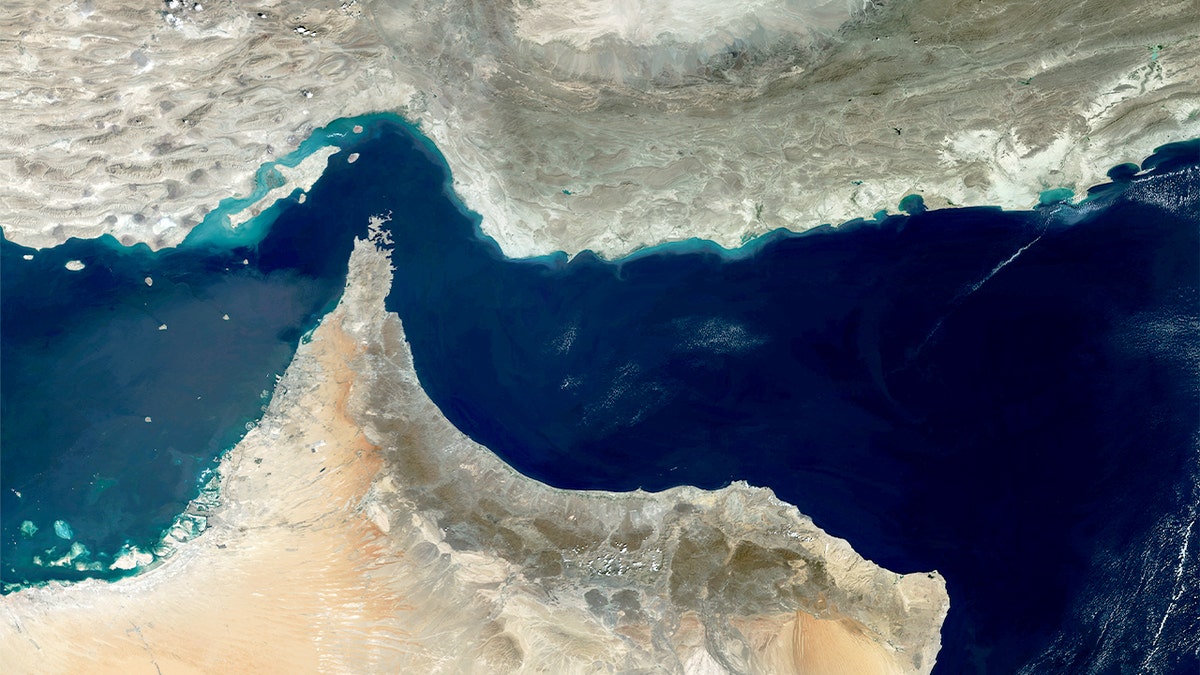
Financial institutions have already begun revising their forecasts upward. Goldman Sachs recently hiked its oil-price outlook as the “Hormuz shock” intensified per reporting by The Economic Times. Similarly, ING Think revised its forecasts higher on April 28, 2026, noting that peace talks between the U.S. And Iran have stalled with no immediate signs of resumed flows through the strait.
Market analysts, including Mohammed Imran of Mirae Asset Sharekhan, have suggested that Brent crude could remain near $90 per barrel in the fourth quarter of 2026, with risks skewing as high as $120 if a total supply shock persists according to Business Standard.
Collateral Damage: U.S. Arms Delays in Europe
The conflict is not only impacting energy markets but similarly the security architecture of Europe. The intensity of the naval operations and the broader war in Iran have reportedly depleted U.S. Munitions stockpiles, leading to a ripple effect for NATO allies.
The Pentagon has begun informing several European counterparts that previously contracted weapons deliveries will be delayed. On April 17, 2026, officials warned that the ongoing conflict is drawing heavily on stocks as reported by Defense News. Specifically, countries including the UK, Poland, and Norway have been alerted to potential delays in the shipment of critical systems, such as ammunition for the High Mobility Artillery Rocket System (HIMARS) according to UPI.
This development highlights the “opportunity cost” of the U.S. Strategy in the Gulf; by focusing immense naval and logistical resources on the blockade of Hormuz, the U.S. Is struggling to maintain its commitments to European allies, creating a secondary geopolitical tension within the alliance.
Summary of Current Crisis Dynamics
| Factor | Status / Impact | Verification Source |
|---|---|---|
| Blockade Start Date | April 13, 2026 | Al Jazeera |
| Iran’s Response | Cutting oil production due to storage limits | Bloomberg / Fortune |
| Brent Crude Forecast | $90 – $120 range (Q4 2026) | Business Standard |
| European Impact | Delayed U.S. Arms shipments (HIMARS, etc.) | Defense News / UPI |
What Happens Next?
The coming weeks are critical for Tehran. If the blockade remains absolute and storage capacity is exhausted, Iran may be forced to shut in a significant portion of its production. This would not only cripple its immediate revenue but could permanently damage its oil infrastructure. For the rest of the world, the focus remains on whether the U.S. Will maintain the blockade as a long-term lever or if a diplomatic breakthrough regarding the nuclear deal can be reached to reopen the strait.
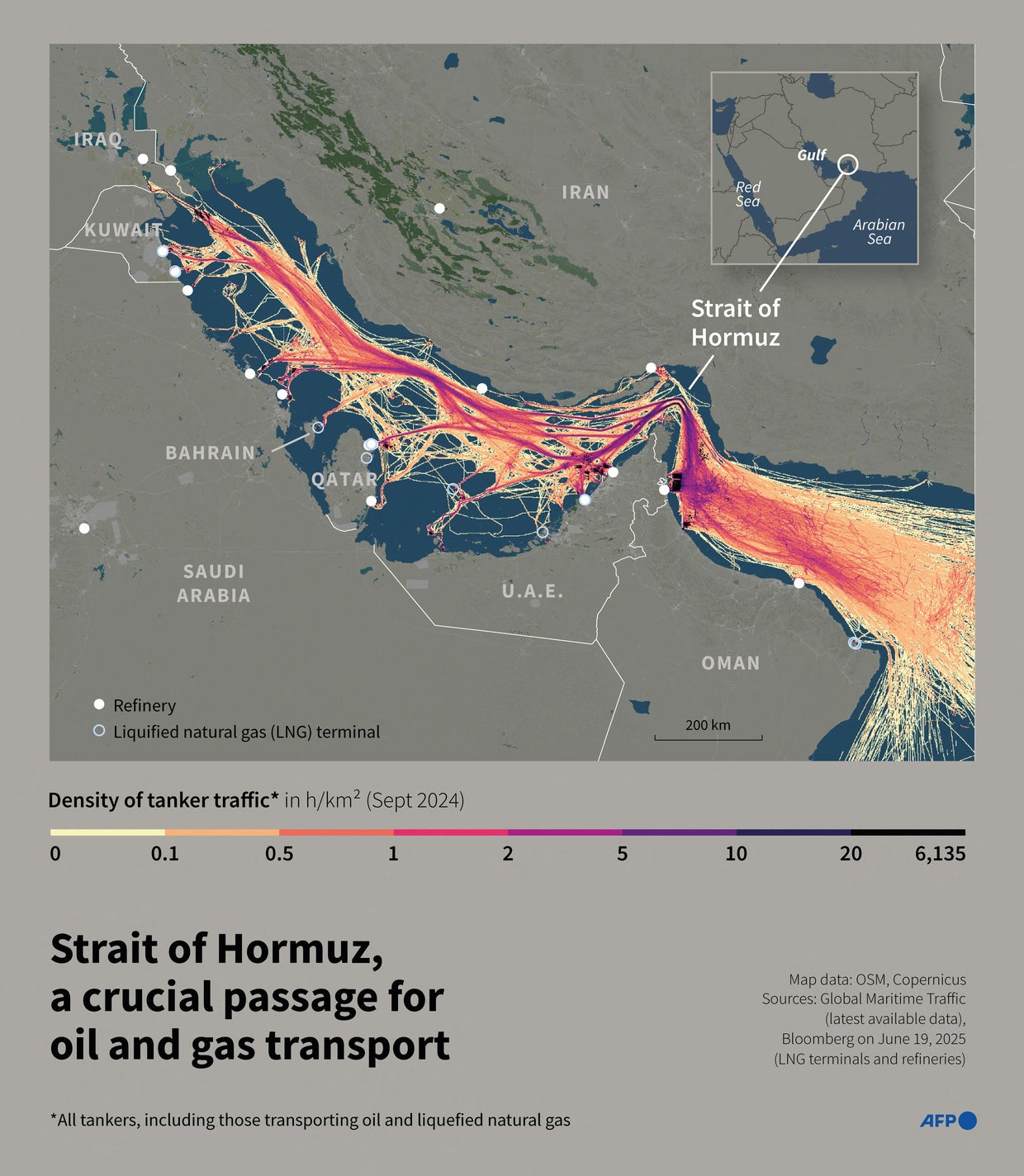
The next major checkpoint will be the upcoming quarterly review of OPEC+ production targets and the next scheduled update from the U.S. Department of Defense regarding the timeline for arms deliveries to European allies.
Do you believe the economic pressure of a blockade is an effective tool for nuclear diplomacy, or is the risk to global energy stability too high? Share your thoughts in the comments below and share this analysis with your network.
- Fortuna Mining Acquires Bambadji Gold Project in Senegal for $200 Million
- EU Mobilizes Satellite Support and Funding for Colombia Earthquake Relief
- Friends of Tonga Named Finalist for 2026 .ORG Impact Awards in Environment (time.news)
- US and Iran Nearing Hormuz Understandings Amid Regional Tensions (newsdirectory3.com)