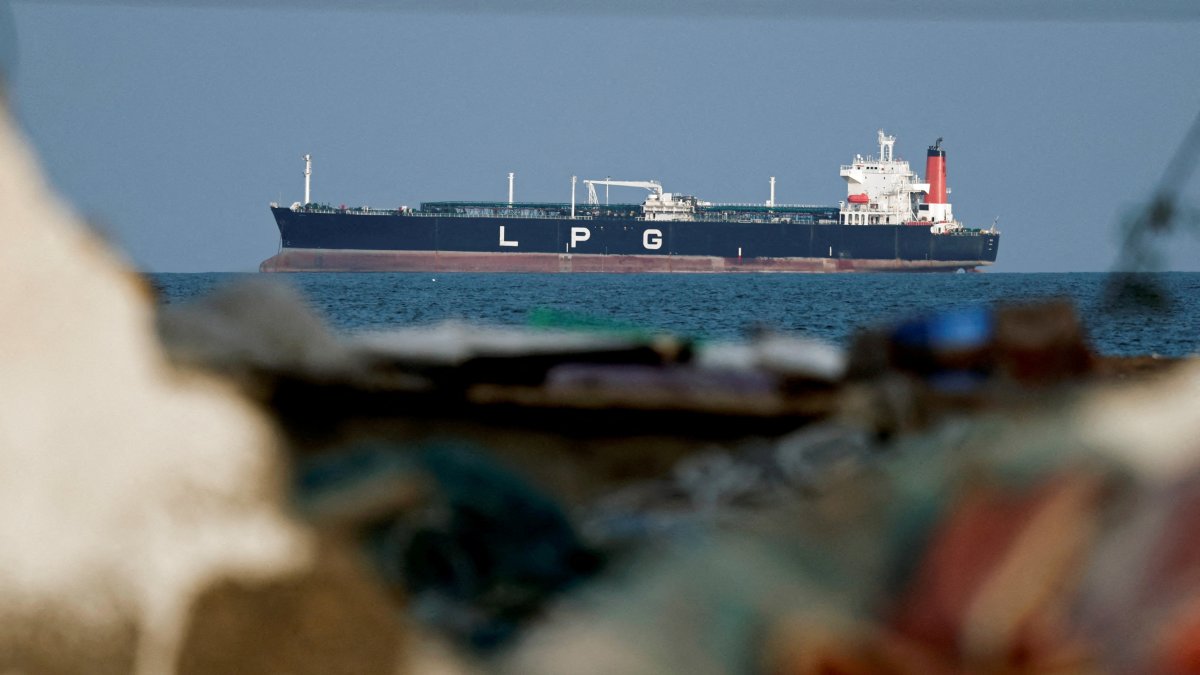
London, United Kingdom – As tensions remain high in the Middle East following escalating conflict between the U.S., Israel, and Iran, reports suggest Tehran may be willing to allow oil tankers to transit the strategically vital Strait of Hormuz, but only if transactions are settled in Chinese yuan. This potential shift, whereas symbolic, presents a complex web of operational, security, and geopolitical challenges, analysts say.
The Strait of Hormuz, a narrow waterway connecting the Persian Gulf to the Gulf of Oman and the Arabian Sea, is the world’s most important oil transit choke point. Approximately 20% of global oil supply, roughly 20 million barrels per day, passes through the strait, alongside a significant portion of the world’s liquefied natural gas (LNG) trade. Disruptions to this crucial artery have already contributed to rising oil prices, reaching levels not seen since July 2022, following the onset of the Russia-Ukraine conflict.
Iran’s Strategic Leverage and the Yuan’s Growing Role
The possibility of accepting yuan for oil shipments comes as Iran has effectively restricted passage through the Strait of Hormuz since March 1, following joint attacks by the U.S. And Israel on Iranian soil beginning February 28. These attacks have significantly escalated hostilities in the region. Mojtaba Khamenei, Iran’s new supreme leader, has vowed to maintain this blockade, stating that “the lever of blocking the Strait of Hormuz must definitely be used.” This move is widely seen as both retaliation for the attacks and an attempt to exert economic leverage.
The dominance of the U.S. Dollar in global oil trade is a long-standing feature of the international financial system. Still, there has been a growing push, particularly from China, to increase the use of the yuan in international transactions, including oil. Russia, facing sanctions following its invasion of Ukraine, has similarly increasingly priced its oil in rubles or yuan. While the dollar remains the world’s primary reserve currency, China’s ambition to internationalize the yuan is gaining momentum, and Iran’s potential move could be seen as a symbolic step in that direction.
Operational and Security Concerns
Despite the potential benefits of increasing yuan usage, analysts in China are urging caution. Concerns center around the operational feasibility of implementing such a system and the inherent security risks involved. The Strait of Hormuz is already a highly volatile region, and any attempt to alter the established trading mechanisms could further exacerbate tensions. Iranian drones and military forces are believed to be actively targeting tankers in the strait and the Persian Gulf.
The logistical challenges of verifying transactions and ensuring the security of oil shipments paid for in yuan are significant. Such a move could strain relations between China and the United States, particularly given the existing geopolitical rivalry between the two nations. The U.S. Has consistently opposed efforts to undermine the dollar’s dominance and could view Iran’s proposal as a direct challenge to its financial authority.
Humanitarian Impact and Global Implications
The restrictions on shipping through the Strait of Hormuz are not only impacting global energy markets but also raising concerns about humanitarian operations in the region. The United Nations has warned that continued restrictions could have a “massive impact” on the delivery of essential aid to vulnerable populations. The disruption to oil supplies also has broader economic consequences, potentially contributing to inflation and slowing global growth.
The situation is further complicated by the ongoing conflict between Israel and Iran, which has intensified since the initial attacks in late February. Reports indicate that approximately 1,300 people have been killed in the escalating hostilities, including Ayatollah Ali Khamenei, the former Supreme Leader of Iran. The potential for further escalation remains high, and the Strait of Hormuz is likely to remain a focal point of geopolitical tension for the foreseeable future.
The Broader Context of De-Dollarization
Iran’s potential move to accept yuan for oil shipments is part of a larger global trend towards de-dollarization, albeit a slow and uneven one. Several countries, including Russia, China, and Brazil, have been exploring alternatives to the U.S. Dollar in international trade. This trend is driven by a variety of factors, including concerns about U.S. Sanctions, the desire for greater financial independence, and the growing economic influence of non-Western powers.
However, the dollar’s entrenched position as the world’s reserve currency and the depth and liquidity of U.S. Financial markets remain significant obstacles to any rapid shift away from the dollar. While the yuan is gaining traction, it still lacks the widespread acceptance and convertibility necessary to challenge the dollar’s dominance. The success of Iran’s proposal will depend on a number of factors, including China’s willingness to support the initiative and the ability to overcome the operational and security challenges involved.
Key Takeaways
- Strategic Importance: The Strait of Hormuz remains a critical choke point for global oil supply, with approximately 20% of the world’s oil passing through it daily.
- Yuan as Alternative: Iran’s potential acceptance of yuan for oil shipments represents a symbolic step towards de-dollarization, driven by China’s ambition to internationalize its currency.
- Operational Challenges: Implementing a yuan-based trading system faces significant logistical and security hurdles in a volatile region.
- Geopolitical Implications: The move could strain relations between China and the United States, adding another layer of complexity to the existing geopolitical rivalry.
- Humanitarian Concerns: Restrictions on shipping through the strait are impacting humanitarian operations and contributing to global economic uncertainty.
Looking ahead, the situation in the Strait of Hormuz will continue to be closely monitored by global markets and policymakers. The next key development will likely be further statements from Iranian officials clarifying the details of the proposed yuan-for-oil arrangement and any potential timelines for implementation. The international community will also be watching closely for any signs of further escalation in the conflict between Israel and Iran, which could have significant implications for regional stability and global energy security.
What are your thoughts on Iran’s proposal? Share your comments below and join the conversation.