Rising Tensions in the Middle East: Iran Claims Closure of Hormuz Strait, Threatening Global Oil Supply
The critical Hormuz Strait, a vital artery for global oil and liquefied natural gas (LNG) transport, is reportedly closed, according to claims made by the Iranian Revolutionary Guard. This assertion, if sustained, poses a significant threat to global energy markets and international shipping. The situation is rapidly evolving amid heightened regional tensions, and the potential for disruption to oil supplies has already sparked concerns about price increases. The claim comes as the region grapples with the fallout from recent military actions and escalating conflicts, adding another layer of complexity to an already volatile situation.
The Hormuz Strait, situated between Oman and Iran, is one of the world’s most strategically important chokepoints. Approximately 20% of the world’s total oil supply passes through this narrow waterway daily, according to data from Vortexa, an energy analytics firm. Qatar, a leading exporter of LNG, relies on the Strait for nearly all of its LNG shipments. Saudi Arabia, Iran, the United Arab Emirates, Kuwait, and Iraq as well heavily depend on the Hormuz Strait for the transit of their energy exports. The potential closure of this vital passage could have far-reaching economic consequences, impacting energy prices and global trade.
Iranian Revolutionary Guard Issues Stark Warning
Ebrahim Djabari, an advisor to the commander of the Iranian Revolutionary Guard, issued a direct warning regarding the Strait, stating, “Hormuz Strait is closed. If anyone tries to pass through, the heroes of the Revolutionary Guard and the Navy will set these ships on fire,” as reported by Reuters. Reuters. This statement underscores the seriousness of the situation and the potential for direct confrontation. The Iranian Revolutionary Guard has a history of assertive actions in the region, and this latest declaration raises concerns about their willingness to disrupt maritime traffic.
Geographic Significance and Control
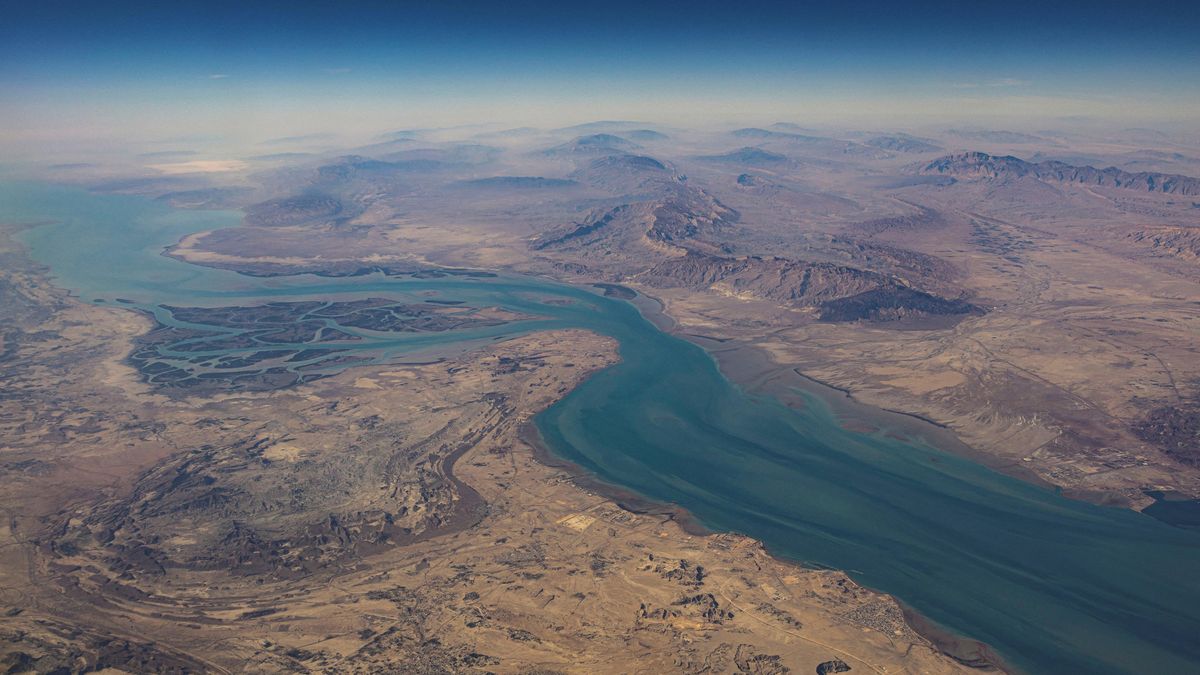
The Hormuz Strait connects the Persian Gulf with the Gulf of Oman and the Indian Ocean. Iran controls the entire northern coastline of the Strait, giving it significant leverage over shipping lanes. The narrowest sections of the navigable channels, where sufficient depth for large vessels is maintained, are only approximately three to three and a half kilometers wide in each direction. This limited width makes the Strait particularly vulnerable to blockage. Seznam Zprávy highlights the strategic importance of the Strait as the sole connection between the oil-rich Persian Gulf and the open ocean.
Current Situation: Tanker Traffic and Warnings
In response to the Iranian Revolutionary Guard’s warning, several shipping companies have already taken precautionary measures. Some tanker owners, including the Japanese company NYK, have instructed their vessels to avoid the Strait. The United States has also issued warnings advising against travel in the Persian Gulf and the Gulf of Oman, extending beyond the immediate vicinity of the Hormuz Strait. Reports indicate that tankers are accumulating both before entering and within the Persian Gulf, with some vessels suspending loading operations while awaiting further developments.
While Tehran has not issued a formal announcement officially closing the Strait, the situation is being widely interpreted as a de facto blockade or an unacceptable level of risk by many in the shipping industry. Iran has previously threatened to block the Strait, most recently demonstrating its capability to disrupt traffic for several hours during naval exercises in February. Seznam Zprávy reported on this earlier demonstration of Iran’s ability to control passage through the Strait.
Recent Incidents: Tanker Attacks and Escalating Concerns
On March 1, 2026, reports emerged of attacks on two tankers in waters near Oman. According to the Iranian news agency Tasnim, the Hormuz Strait is “factually closed.” The German shipping company Hapag-Lloyd announced the suspension of its voyages through the Strait due to the “official closure.” ČT24 details these recent events. One of the targeted tankers is reportedly on the U.S. Sanctions list. Four crew members sustained injuries during the attacks, necessitating the evacuation of all twenty personnel on board.
The Ománské Centrum námořní bezpečnosti (Oman Maritime Security Centre) confirmed an attack on the oil tanker Skylight, sailing under the flag of Palau, approximately nine kilometers north of the port of Hasab. All twenty crew members – fifteen Indian and five Iranian nationals – were safely evacuated. The identity of the attackers and the nature of the attack remain unclear, according to Euronews. A separate incident involving another tanker was reported approximately 3.7 kilometers north of Kumzar, Oman.
Potential Economic Impact and Global Implications
The closure of the Hormuz Strait would undoubtedly have a significant impact on global oil prices. Analysts predict a sharp increase in prices if the waterway remains blocked. The disruption to oil supplies could exacerbate existing inflationary pressures and potentially trigger a global economic slowdown. Beyond oil, the Strait is also a crucial transit route for LNG and other essential commodities, further amplifying the potential economic consequences. The situation is being closely monitored by governments and energy markets worldwide.
The current situation underscores the vulnerability of global energy supply chains to geopolitical instability. The Hormuz Strait’s strategic importance makes it a focal point for regional conflicts and a potential flashpoint for wider international crises. The actions of Iran, and the responses of other nations, will be critical in determining the future of energy security and regional stability.
Key Takeaways
- The Iranian Revolutionary Guard has claimed the closure of the Hormuz Strait, a vital waterway for global oil transport.
- Tanker traffic has been disrupted, with some companies suspending voyages and vessels accumulating in the region.
- Attacks on two tankers have been reported, raising concerns about escalating tensions.
- The closure of the Strait could lead to a significant increase in global oil prices and economic disruption.
- The situation is being closely monitored by governments and energy markets worldwide.
The situation remains fluid and is subject to change. Further updates will be provided as they become available. The next key development to watch for is an official statement from the Iranian government regarding the status of the Hormuz Strait and any potential negotiations with international stakeholders. We encourage readers to share their thoughts and perspectives on this critical issue in the comments below.
Worth a look