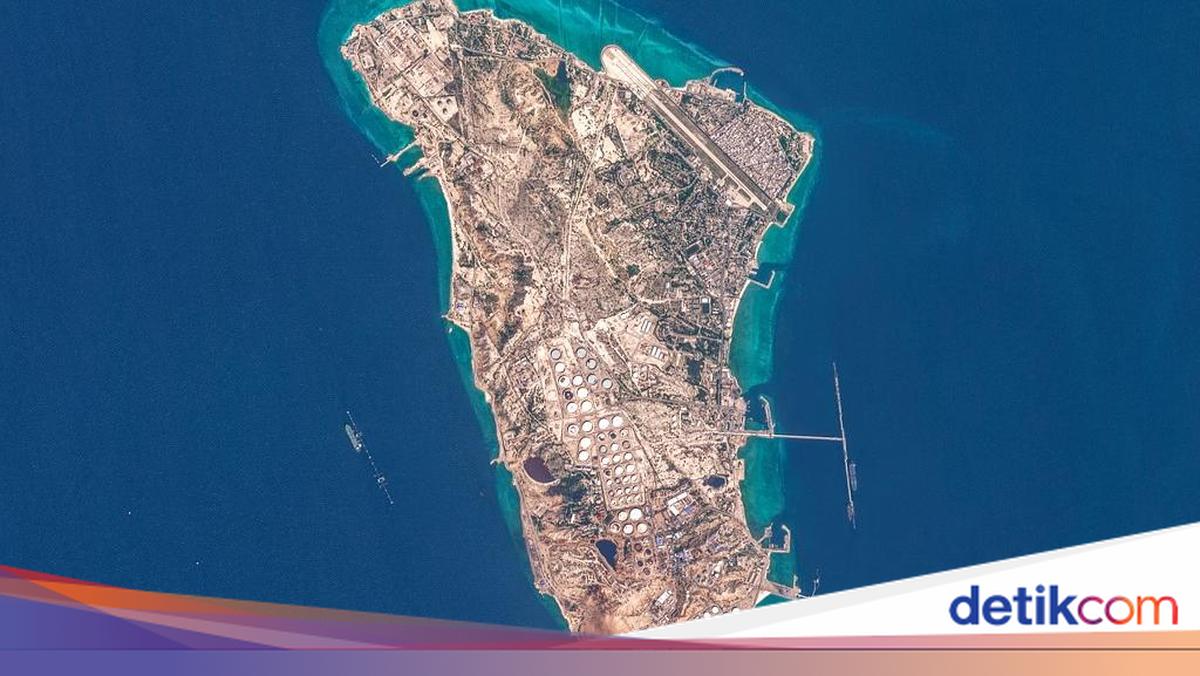
Iran Threatens Oil Infrastructure Retaliation Following Reported Strike on Kharg Island
Tehran – Iran’s armed forces have threatened to strike oil-related infrastructure linked to the United States, following claims by former U.S. President Donald Trump that American forces bombed Pulau Kharg, a key island handling a significant portion of Iran’s crude oil exports. The escalating rhetoric comes amid heightened tensions in the Middle East, following a series of retaliatory strikes between Iran and its adversaries, and the closure of the strategically vital Strait of Hormuz.
The Iranian military’s warning, issued Saturday, March 14, 2026, by the Al-Anbiya Central Headquarters, stated that oil and energy infrastructure belonging to companies cooperating with the U.S. Would be “immediately destroyed and turned to ash” if Iranian energy facilities are attacked. This statement, reported by Iranian news agencies Fars and Tasnim, was a direct response to Trump’s earlier assertions regarding the alleged U.S. Strike on Kharg Island.
Trump, via his social media platform Truth Social on Friday, March 13, claimed that the U.S. Central Command had executed “one of the most devastating bombing runs in the history of the Middle East,” purportedly destroying military targets on Pulau Kharg. He further stated he had refrained from targeting oil infrastructure on the island, but reserved the right to do so should Iran impede navigation through the Strait of Hormuz, a critical waterway for global oil supplies. The Strait of Hormuz has been closed since a large-scale U.S.-Israeli offensive against Iran on February 28th, triggering a cycle of retaliatory attacks.
Strategic Importance of Kharg Island and the Strait of Hormuz
Pulau Kharg, located approximately 30 kilometers off the Iranian mainland, is a strategically vital island for Iran’s oil industry. According to a recent report by JP Morgan, the island handles around 90 percent of Iran’s crude oil exports. This makes it a critical component of Iran’s economy and a potential focal point in any escalation of conflict. The island’s vulnerability has been noted previously, with analyses suggesting it could be targeted to cripple Tehran without a full-scale invasion, offering the U.S. Leverage in negotiations. A YouTube video published three days prior highlighted this strategic importance, noting Trump had previously threatened action against Kharg Island.
The Strait of Hormuz, through which approximately 20 percent of the world’s oil and liquefied natural gas passes, is a chokepoint of global energy security. Its closure, as is currently the case, has already sent ripples through global markets, causing oil prices to surge. Iran’s retaliatory strikes have severely disrupted maritime traffic in the Strait, impacting oil infrastructure in other Gulf nations and raising concerns about potential energy shortages and increased inflation worldwide.
Trump’s Claims and U.S. Naval Response
Trump’s statement regarding the alleged bombing of Kharg Island has not been independently confirmed by the U.S. Department of Defense or other official sources. However, he announced plans for the U.S. Navy to begin escorting tankers through the Strait of Hormuz “very soon” in an effort to restore oil exports and mitigate the impact of rising gasoline prices in the United States. This move signals a potential shift in U.S. Strategy towards a more direct intervention to secure maritime traffic in the region.
The current situation represents a significant escalation in the ongoing conflict between Iran and its adversaries. The exchange of attacks and threats has raised fears of a wider regional war, with potentially devastating consequences for global energy markets and international security. The closure of the Strait of Hormuz, a vital artery for global oil supplies, is already having a tangible impact on prices and trade flows.
Geopolitical Implications and Market Volatility
The conflict in the Middle East is creating significant instability in global markets, with oil prices experiencing substantial volatility. The disruption to maritime traffic in the Strait of Hormuz and the potential for further attacks on oil infrastructure are fueling concerns about supply shortages and inflationary pressures. Investors and governments worldwide are closely monitoring the situation, assessing the risks and potential consequences for the global economy.
The situation is further complicated by the involvement of multiple actors, including Israel, which has been engaged in a series of covert operations against Iran. The U.S. Has also been a key player in the conflict, providing military support to Israel and imposing sanctions on Iran. The interplay between these actors is creating a complex and unpredictable geopolitical landscape.
Looking Ahead: Potential Scenarios and Diplomatic Efforts
The immediate future remains uncertain, with the potential for further escalation or a de-escalation through diplomatic efforts. The key factors that will shape the trajectory of the conflict include the response of Iran to the alleged U.S. Strike on Kharg Island, the willingness of the U.S. And Iran to engage in direct negotiations, and the role of regional and international actors in mediating a resolution.
The U.S. Navy’s planned escort of tankers through the Strait of Hormuz represents a significant step towards securing maritime traffic, but it also carries the risk of further escalation if Iranian forces attempt to interfere. The success of this operation will depend on the ability of the U.S. Navy to maintain a credible deterrent and avoid direct confrontation with Iranian forces.
The international community is urging restraint and calling for a peaceful resolution to the conflict. However, the deep-seated mistrust and animosity between Iran and its adversaries make a diplomatic breakthrough challenging. The situation remains highly volatile, and the risk of a wider regional war remains a significant concern.
As of March 14, 2026, the situation remains fluid. Further developments are expected in the coming days, particularly regarding Iran’s response to the alleged attack on Kharg Island and the implementation of the U.S. Navy’s tanker escort program. World Today Journal will continue to monitor the situation closely and provide updates as they become available.
What are your thoughts on the escalating tensions in the Middle East? Share your comments below and share this article with your network.
Worth a look