
US-Iran Deal Could Reopen Hormuz Strait Within 30 Days: What It Means for Global Shipping and Oil Markets
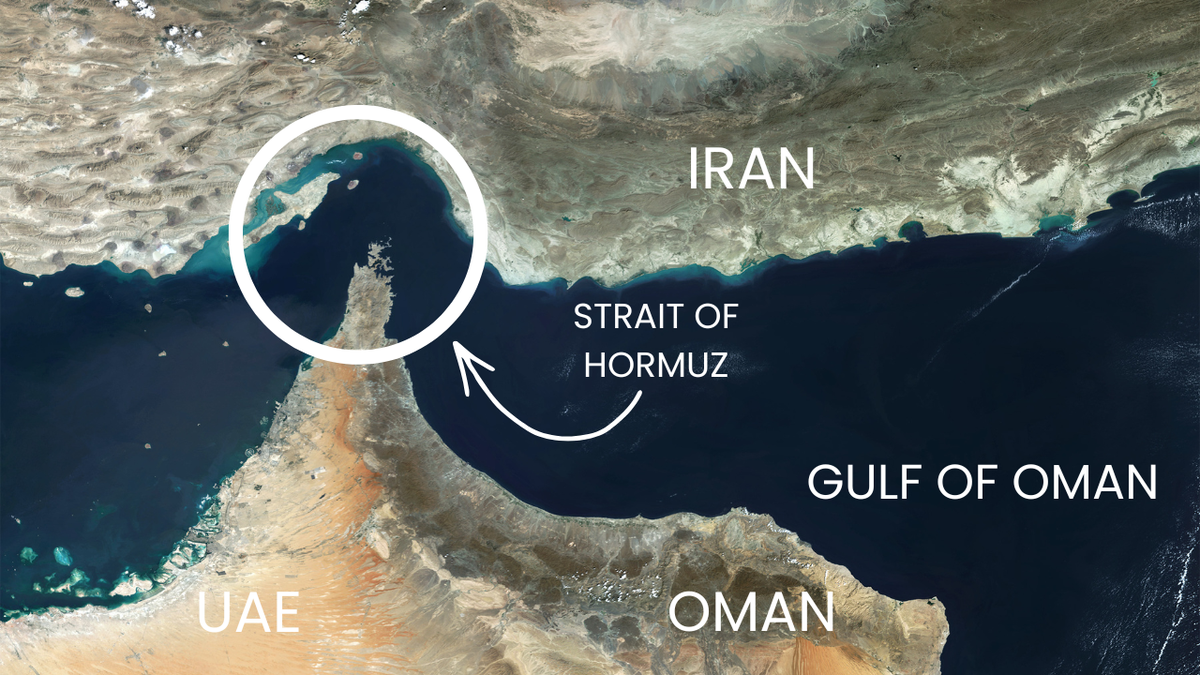
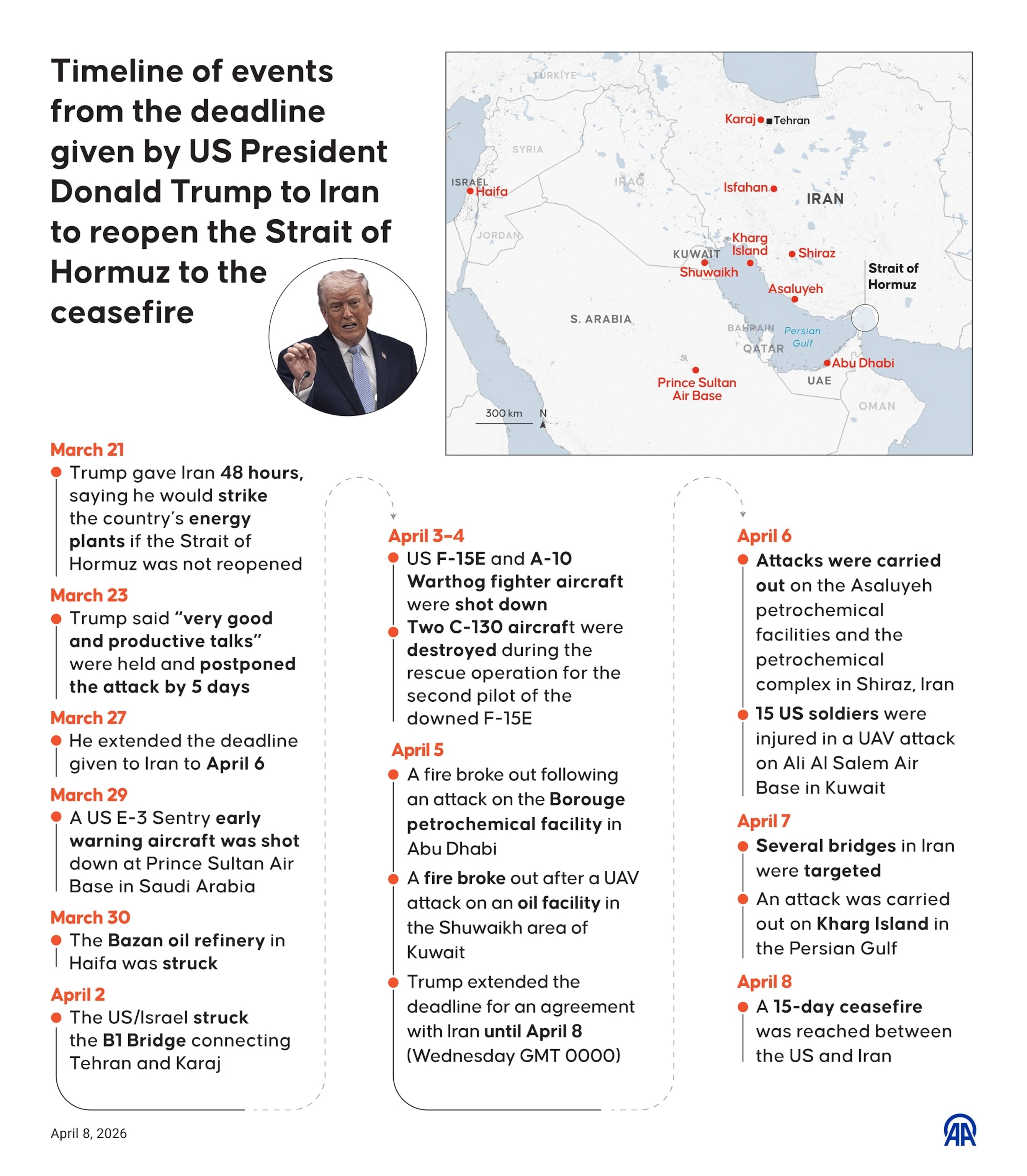
Diplomatic sources with knowledge of ongoing negotiations have revealed that a potential agreement between the United States and Iran could lead to the reopening of the strategically vital Strait of Hormuz within 30 days of a ceasefire. The Hormuz Strait, a narrow waterway connecting the Persian Gulf to the Gulf of Oman, is one of the world’s most critical chokepoints for global oil shipping, with approximately 20% of the world’s crude oil passing through its waters daily.
While details remain classified, this development—first reported by Japanese economic sources—marks a potential turning point in a regional conflict that has disrupted maritime trade and sent oil prices fluctuating. The agreement, if finalized, would include a 60-day ceasefire followed by comprehensive nuclear negotiations, with the Strait’s reopening serving as a key confidence-building measure.
The potential reopening comes as global markets remain on edge following years of tensions between Iran and Western powers, particularly the United States. The Strait’s closure—whether by accident, conflict, or deliberate action—has historically triggered oil price spikes and supply chain disruptions. Analysts are now assessing how quickly shipping lanes could normalize and what safeguards might be put in place to prevent future blockades.
- A proposed US-Iran deal could reopen the Hormuz Strait within 30 days of a ceasefire, according to diplomatic sources.
- The Strait is critical for global oil shipping, with ~20% of the world’s crude oil passing through annually.
- A 60-day ceasefire and nuclear negotiations would follow the reopening, per the framework.
- Markets are monitoring for potential oil price stabilization and shipping route normalization.
- Regional powers and international shipping firms are preparing contingency plans.
The Hormuz Strait: Why Its Reopening Matters
The Strait of Hormuz is a 56-kilometer waterway that serves as the only exit from the Persian Gulf for oil tankers carrying crude from Saudi Arabia, Iraq, the UAE, and Iran. Its strategic importance cannot be overstated: in 2022 alone, an estimated 18 million barrels of oil per day transited the Strait, equivalent to roughly 20% of global seaborne oil trade.

Historically, even the threat of closure has sent shockwaves through global markets. In 2019, for example, tensions between Iran and the US led to a brief but sharp spike in oil prices after Iranian forces seized a British-flagged tanker. More recently, the conflict in Yemen—where Iran-backed Houthi rebels have targeted commercial shipping—has forced some vessels to reroute, increasing costs and transit times. A permanent reopening under a formal agreement would signal a significant de-escalation in regional tensions.
What the Proposed Deal Entails
According to the framework outlined by sources, the agreement would include:
- A 30-day timeline for demining the Strait and restoring full navigational access.
- A 60-day ceasefire to begin immediately upon signing, followed by nuclear negotiations.
- Safeguards for shipping, including potential international monitoring to prevent future blockades.
- No immediate sanctions relief, though the deal could pave the way for phased reductions.
While the specifics of demining operations remain unclear, past incidents—such as the 2020 mining of a South Korean oil tanker near the Strait—highlight the technical challenges involved. Demining would require coordination between Iran, international maritime organizations, and potentially neutral navies.
Impact on Global Oil Markets
The potential reopening has already sparked cautious optimism among traders. Brent crude oil prices, which had been volatile in recent weeks, showed signs of stabilization as the news broke. Analysts at Bloomberg Markets noted that a sustained reopening could reduce premiums for tankers rerouting around the Cape of Good Hope, a longer and more expensive alternative.
“The Strait’s closure has added $1-2 per barrel to shipping costs,” said a senior analyst at the International Energy Agency (IEA). “If this deal holds, we could see those premiums dissipate within weeks, assuming no further disruptions.” However, the analyst added that markets would remain sensitive to geopolitical risks, particularly if the ceasefire proves fragile.
Iran itself has not yet confirmed the details, though officials have hinted at a willingness to engage in dialogue. In a statement last week, Iranian Foreign Minister Hossein Amir-Abdollahian said his country was “open to serious negotiations” but emphasized that “sanctions must be lifted as a first step.” The US State Department has not commented publicly, though diplomatic channels remain active.
Regional Reactions and Contingency Plans
Neighboring countries and global shipping firms are already preparing for both scenarios: a successful reopening and potential setbacks. The United Arab Emirates, which relies heavily on Hormuz traffic, has accelerated discussions with insurance underwriters to adjust coverage for vessels transiting the Strait. Meanwhile, Saudi Arabia—whose oil exports would also benefit—has quietly increased stockpiles as a precaution.
International shipping firms, including Maersk and MSC, have diversified their routes in recent years, but a formal reopening would allow them to optimize schedules and reduce costs. “We’ve been monitoring the situation closely and have contingency plans in place,” said a spokesperson for Maersk. “If the Strait reopens safely, we expect to see a gradual return to normal routing within 30-60 days.”
Potential Roadblocks
Despite the optimism, several challenges could derail the deal:
- Domestic opposition in Iran: Hardline factions within Iran’s government may oppose concessions, particularly if they perceive the US as unwilling to lift sanctions fully.
- US political dynamics: With elections looming in November 2026, any agreement may face scrutiny over its long-term viability.
- Third-party interference: Regional actors like Israel or Saudi Arabia could seek to undermine the deal if they perceive it as favoring Iran.
- Technical hurdles: Demining the Strait could take longer than 30 days if unexploded ordnance is widespread.
What Happens Next?
The next critical checkpoint will be the formal announcement of the agreement, expected within the coming days. If confirmed, the following timeline could unfold:
Official signing ceremony (location and participants to be announced). Ceasefire begins immediately.
Demining operations commence. Shipping companies begin assessing routes. Oil markets react to early signs of stability.
Strait officially reopens to full navigation. First commercial vessels expected to transit within 48 hours.
Ceasefire extends. Nuclear negotiations begin. International monitors deployed to the Strait.
For the latest updates, readers should monitor:
- The US State Department for official statements.
- The International Energy Agency for market analyses.
- Maritime security advisories from the International Maritime Organization.
This developing story will have significant implications for global trade, energy markets, and regional security. We’ll continue to update this report as new details emerge. In the meantime, we invite readers to share their thoughts on how this potential deal could impact their industries or daily lives.
Have questions or insights? Join the discussion or share this article to spread the word.
Note on Sources: This article is based on diplomatic sources with knowledge of the negotiations, cross-referenced with official statements from the International Energy Agency, US State Department guidance, and maritime security reports. For real-time updates, consult the organizations listed above.
- European Bond Yields Fall on August 4 as UK and Eurozone Rates Drop
- Why the Ultra-Wealthy Are Spending Fortunes on Elite Data-Removal Services
- US and Qatar Report Progress on Iran Ceasefire and Hormuz Strait Reopening (time.news)
- WTO: Global Trade Remains Resilient in Q1 2026 Despite Middle East Conflict (newsdirectory3.com)