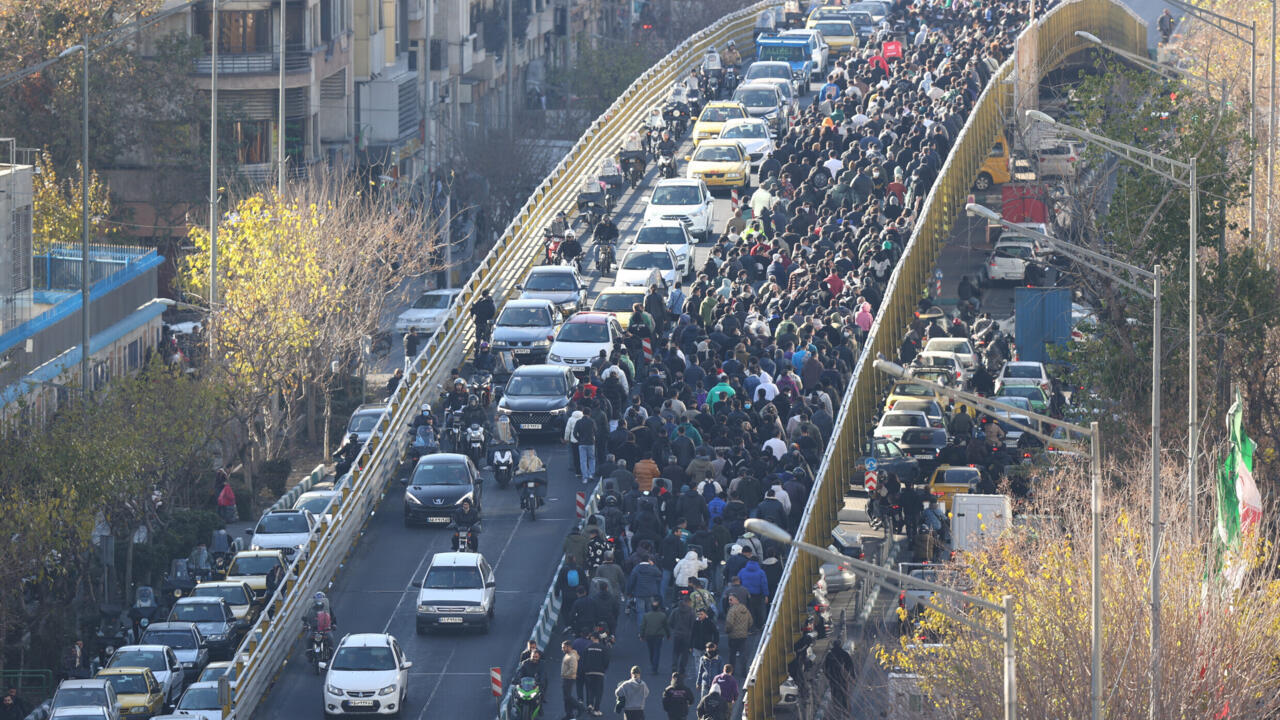
Iran Faces Escalating Protests Amidst Economic Grievances and Political Demands
Sporadic protests erupted in the iranian capital, Tehran, Saturday evening, signaling a continued challenge to the government. These demonstrations follow intensifying clashes reported in the western regions of the country, raising concerns about the escalating unrest.
Initially sparked last Sunday by a shopkeepers’ strike protesting economic hardship, the movement has rapidly evolved. It now encompasses broader political demands from a growing number of citizens. The protests have spread to at least 40 cities across Iran, primarily medium-sized urban centers in the west.
A Rising Death Toll and Regional Disparities
Regrettably, the unrest has turned deadly. At least 12 people have lost thier lives, including members of the security forces, according to official reports. Though,verifying data remains arduous due to limited coverage from state-run media and the challenges of authenticating videos circulating on social media.
The situation varies significantly across the country. While Tehran saw “limited” demonstrations Saturday, consisting of groups ranging from 50 to 200 young people, violence appears to be intensifying elsewhere. Specifically, the west of Iran is experiencing more organized attacks and clashes.
Demonstrations in Tehran: Locations and Slogans
Demonstrations in Tehran where reported across several districts, including:
* Novobat and Tehran Pars (east)
* Ekteban, sadeghieh, and Sattarkhan (west)
* Naziabad and Abdolabad (south)
Protesters voiced their discontent by shouting slogans like “death to the dictator.” While some stone-throwing and minor property damage occurred, major incidents were not reported in the capital.
Violence Escalates in Western Iran
The situation in Malekshahi, a county with a population of approximately 20,000 and a significant Kurdish population, is especially concerning. A member of the security forces was killed during clashes after protesters attempted to storm a police station. reports indicate that two assailants were also killed in the confrontation.
Understanding the Underlying Issues
You might be wondering what’s driving these protests. Initially focused on economic concerns, the demonstrations have broadened to include calls for political change. Understanding the specific demands of the protesters requires looking at the chants and slogans being used. These expressions of dissent reveal a deep-seated frustration with the current state of affairs.
Challenges to Information and Ongoing monitoring
It’s important to acknowledge the difficulties in obtaining a complete and unbiased picture of the events unfolding in Iran. State-controlled media often downplays the extent of the protests, while verifying information shared on social media is a constant challenge.
As the situation continues to evolve, we will continue to monitor developments and provide updates as they become available. The coming days will be critical in determining the future trajectory of these protests and their impact on Iran.