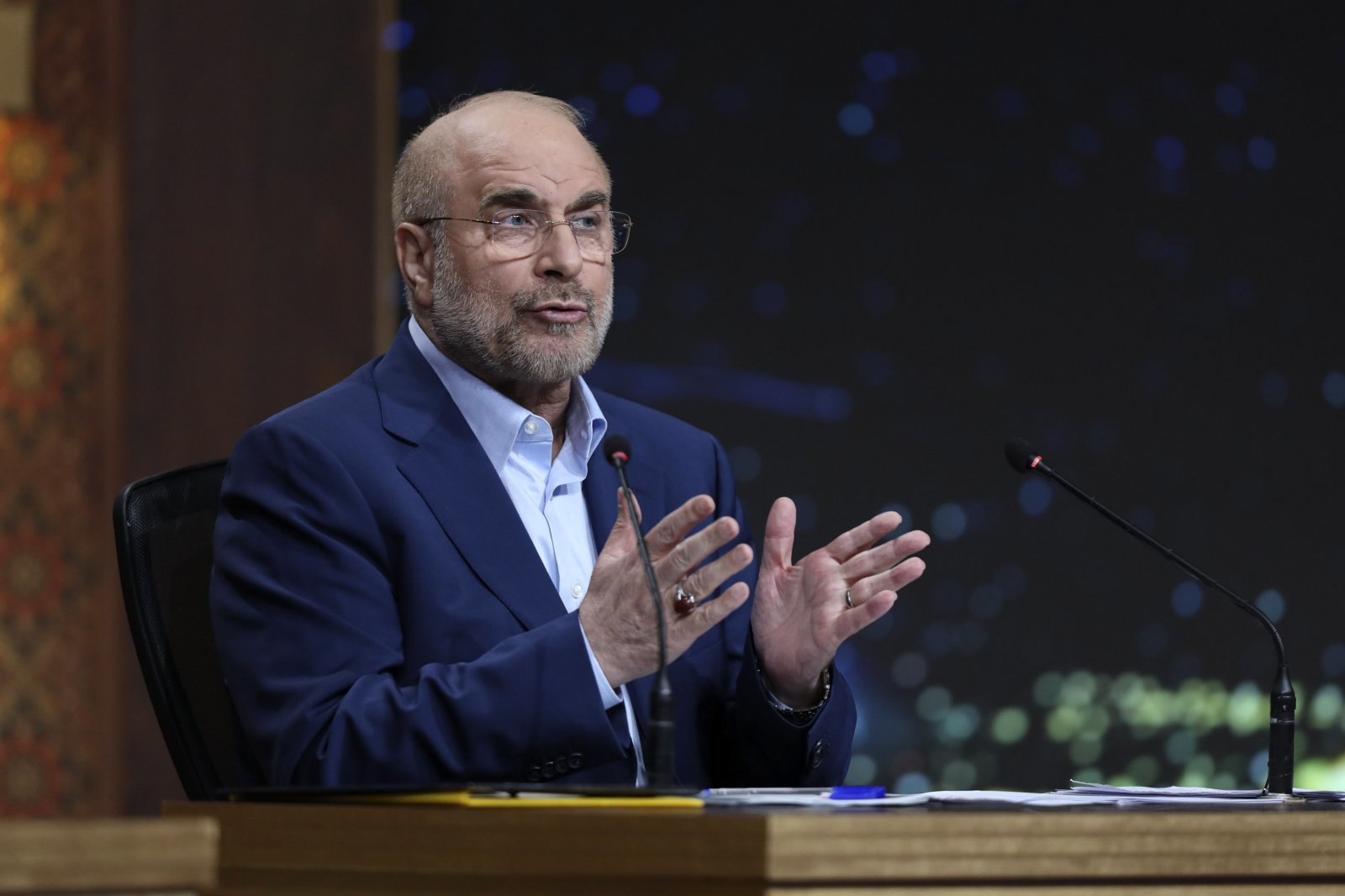
Mohammad Bagher Ghalibaf, the Speaker of the Iranian Parliament and Iran’s representative for negotiations with the US, has stated that Iran must simultaneously pursue military readiness to counter US attacks and diplomatic negotiations. His comments, delivered on the 15th, signal the Iranian government’s approach to balancing defense posture with international negotiation.
Ghalibaf emphasized that military deterrence and diplomatic efforts are complementary. His remarks come during a period of scrutiny regarding Iran’s defensive capabilities and its willingness to engage with the United States.
The Strategic Integration of Defense and Diplomacy
The core of Ghalibaf’s message centers on linking military preparedness directly to the success of diplomatic talks. This strategy aims to ensure that any potential diplomatic breakthrough is backed by a credible deterrent force.

Analysts note that this dual-track approach is designed to manage domestic expectations while signaling strength to external adversaries. By framing military readiness as a component of national interest, the leadership seeks to maintain support for defense spending.
Regional Security and the Role of Parliament
As the Speaker of the Parliament, Ghalibaf’s role in shaping Iran’s foreign policy framework is significant. Ghalibaf’s recent statements reflect a position that diplomatic flexibility must be bounded by a position of strength.
For international observers, the primary question remains whether this dual approach will lead to a de-escalation of tensions in the Middle East or a further hardening of positions. The reliance on both military posturing and diplomatic channels suggests that the current Iranian administration is preparing for a period of strategic uncertainty.
Next Steps in Iranian Foreign Policy
The international community is currently awaiting the next round of formal updates regarding regional security architecture and potential talks. Diplomatic engagement remains conducted through various channels.
As the situation develops, further analysis will be required to determine how effectively this dual-track strategy manages the competing pressures of internal stability and international integration. Readers are encouraged to monitor official government press releases and verified reports for updates on these negotiations.
What are your thoughts on this dual-track strategy? Share your perspectives in the comments section below and join the conversation on global economic and security policy.
- Why Used Honda Supra X 125 is High in Demand for 2026: Key Reasons Explained
- Rep. Kang Dae-sik Proposes Bills to Strengthen Healthcare Access for Island Residents
- Trump Considers Expanded US Military Ops in Iran (time.news)
- Comprehensive Educational Programs: From Early Learning to Career Readiness and ESL Support (newsdirectory3.com)