
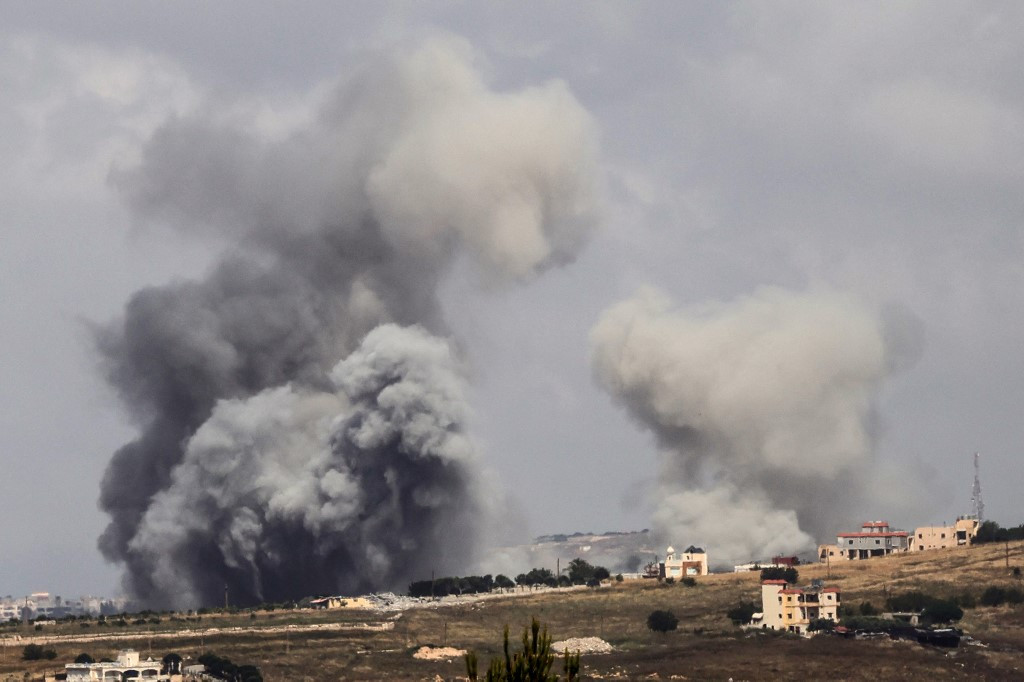
The geopolitical landscape of the Persian Gulf faces renewed volatility as regional tensions escalate, threatening the stability of critical maritime corridors and the safety of international military personnel. Recent reports of kinetic exchanges involving Iranian ballistic capabilities and U.S. Defensive maneuvers have complicated ongoing diplomatic efforts to maintain regional peace, leaving observers to parse the distinction between posturing and active conflict.
As we monitor these developments, it is essential to distinguish between confirmed military activity and the broader, often opaque, narratives circulating in the intelligence community. The current situation, characterized by a truce at risk amid Iranian ballistic missile activity, underscores the fragility of existing de-escalation frameworks. With U.S. Forces maintaining a heightened readiness posture in the region, the potential for miscalculation remains a primary concern for policymakers and global energy markets alike.
The Fragile State of Persian Gulf Security
The security architecture of the Persian Gulf is currently under significant strain. Following reports of heightened maritime aggression, including threats to mine-laying vessels, the U.S. Central Command has signaled a rigorous commitment to protecting freedom of navigation through the Strait of Hormuz. According to recent briefings from the U.S. Department of Defense, the maintenance of regional stability is predicated on the ability to deter non-state and state-sponsored threats to commercial shipping lanes, which carry a significant percentage of the world’s daily oil supply.

The intersection of these maritime warnings and broader diplomatic talks creates a complex operational environment. While proponents of de-escalation emphasize the necessity of back-channel communications, the physical reality of missile activity—whether intended as a strategic signal or a tactical strike—inevitably forces a military response. The U.S. Department of State continues to advocate for diplomatic solutions to the nuclear and regional security portfolios, yet these efforts are frequently tested by the kinetic realities on the ground.
Analyzing the Escalation Cycle
The dynamic between Washington and Tehran has long been defined by cycles of brinkmanship. Recent reports of strikes against Iranian military sites, as noted by major international news agencies, highlight the precision-strike capabilities of Western forces in the region. These actions are typically framed by officials as defensive, intended to restore deterrence following provocations. However, the lack of transparency regarding specific tactical successes often leads to conflicting reports in the media.
It is crucial for readers to note that in the absence of official, verified damage assessments from all parties, claims regarding the impact of specific missile strikes should be viewed with caution. Verification of such events is often delayed by operational security protocols. For those tracking these movements, the U.S. Central Command (CENTCOM) remains the primary source for official statements regarding regional military operations and security assessments.
Key Takeaways: Understanding the Current Standoff
- Maritime Security: The Strait of Hormuz remains a focal point for international naval forces, with a focus on preventing the deployment of naval mines that could disrupt global energy supplies.
- Deterrence Policy: U.S. Military strategy in the region relies on a combination of visible force projection and strategic communication to prevent the escalation of hostilities.
- Diplomatic Hurdles: Existing peace talks are frequently disrupted by kinetic events, making the path toward a long-term regional agreement increasingly demanding to navigate.
- Information Integrity: In a climate of high-stakes tension, independent verification of military strikes and casualties is critical to avoiding the spread of misinformation.
What Happens Next?
Moving forward, the international community will be watching for the next round of diplomatic engagements, which are expected to address both the nuclear framework and regional security concerns. The United Nations Security Council is scheduled to receive periodic updates regarding the implementation of existing resolutions, which may provide further clarity on the status of these ongoing tensions.
As this situation evolves, we encourage our readers to rely on official press releases from the Department of Defense and verified reports from established international monitors. The interplay between diplomacy and military readiness will likely continue to shift in the coming weeks. We will continue to provide updates as verified information becomes available. We invite you to share your thoughts on the implications of these events in the comments section below.