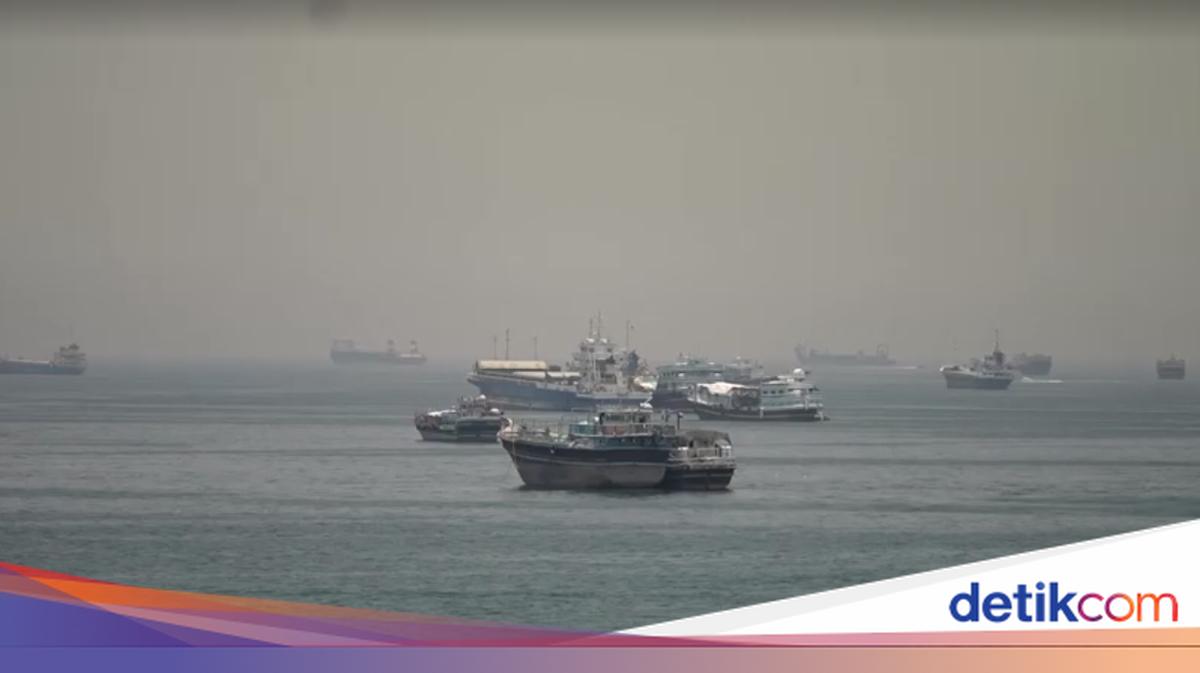
As tensions in the Middle East reach a critical juncture, recent escalations involving maritime activities in the Strait of Hormuz have drawn renewed international attention to the stability of one of the world’s most vital energy corridors. The ongoing volatility has prompted heightened concern among global stakeholders, as the intersection of regional security and international commerce remains under significant pressure.
The situation, characterized by reports of increased military posturing and direct confrontations, underscores the fragile state of affairs in the region. For observers of global geopolitics, the Strait of Hormuz—a narrow waterway through which a substantial portion of the world’s seaborne oil passes—serves as a primary barometer for international stability. As these events unfold, the international community continues to monitor the potential for further disruption to global supply chains and the broader implications for diplomatic efforts aimed at de-escalation.
The Strategic Significance of the Strait of Hormuz
The Strait of Hormuz is widely recognized as a “chokepoint” of immense strategic importance. According to the U.S. Energy Information Administration, this narrow passage is essential for the transit of petroleum and natural gas from the Persian Gulf to international markets. Any instability in this region carries immediate risks for global energy prices and the security of maritime logistics.
The current climate of uncertainty has led to increased scrutiny of maritime safety protocols. Shipping companies and international naval coalitions are navigating a complex environment where the balance between maintaining open transit and ensuring the safety of personnel and cargo is increasingly tricky to sustain. The U.S. Maritime Administration frequently issues advisories to commercial vessels operating in these waters, emphasizing the need for heightened vigilance in response to regional tensions.
Navigating Diplomatic and Military Challenges
The recent developments represent a culmination of long-standing friction between regional actors and international powers. Diplomatic channels, while active, face significant obstacles as both sides struggle to find common ground on issues ranging from nuclear policy to regional security architecture. The persistence of these challenges highlights the limitations of current international mediation efforts.

The role of external powers in the region remains a subject of intense debate. While some argue that an increased naval presence is necessary to deter aggression and protect international shipping lanes, others maintain that such actions may inadvertently exacerbate regional tensions. The complexity of these dynamics is further compounded by the evolving nature of modern warfare, where the use of unmanned aerial systems and other advanced technologies has altered the traditional calculus of regional conflict.
Impact on Global Markets and Energy Security
Beyond the immediate security concerns, the volatility in the Strait of Hormuz has tangible economic consequences. Global markets are highly sensitive to disruptions in energy transit and any sustained conflict in the region could lead to significant fluctuations in oil prices. Analysts often point to the “risk premium” that is factored into energy markets whenever regional instability escalates, reflecting the uncertainty surrounding the future of maritime security.
For businesses and policymakers, the focus remains on mitigating the impact of these events. This involves a combination of diplomatic engagement, the diversification of energy supply chains, and the maintenance of robust maritime security operations. The International Energy Agency continues to track these developments closely, providing data and analysis to help member countries navigate the potential risks to global energy security.
Looking Ahead: Monitoring the Situation
As the situation develops, international observers are looking toward official statements from major capitals for any signs of a shift in policy or a potential breakthrough in negotiations. The lack of a clear, unified international consensus on how to address these challenges remains a primary hurdle for long-term stabilization in the region.
Future updates will likely center on the outcomes of upcoming regional security summits and any potential shifts in the naval posture of the various international coalitions currently operating in the area. Maintaining a clear understanding of these events requires reliance on verified information from official government sources and recognized international bodies.
We invite our readers to share their perspectives on these complex geopolitical developments. As this story evolves, we remain committed to providing accurate and balanced reporting on the events shaping our world today. Please check back for further updates as new information becomes available through official channels.