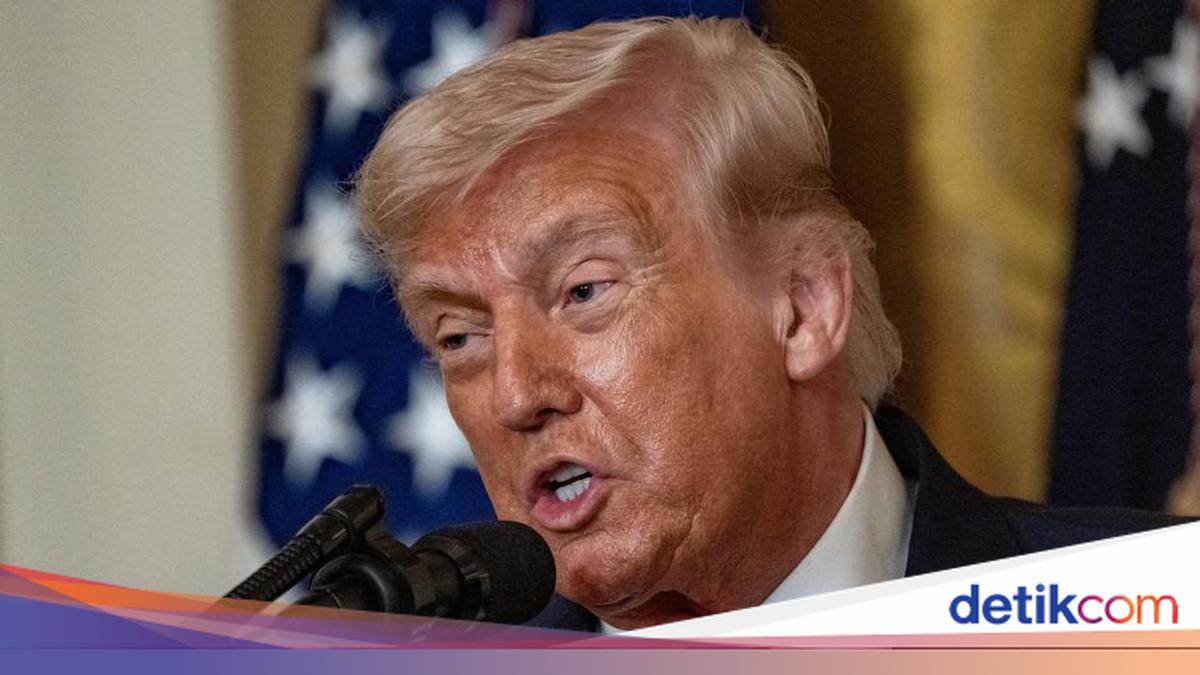
Sofia, Bulgaria – Escalating tensions in the Middle East have prompted increasingly bellicose rhetoric from U.S. President Donald Trump, as the conflict between the United States and Israel on one side, and Iran and its allies on the other, enters its second week. The situation remains fluid and fraught with risk, raising concerns about a wider regional war. Trump has repeatedly vowed decisive action against Iran, and recent statements suggest a willingness to pursue increasingly aggressive measures.
The current crisis stems from a complex web of geopolitical factors, including long-standing regional rivalries, concerns over Iran’s nuclear program, and the ongoing conflict in Yemen. The recent exchange of attacks between Iran, Israel, and affiliated groups has significantly heightened the stakes, prompting international calls for de-escalation. However, Trump’s administration has adopted a markedly hawkish stance, signaling a potential shift towards a more confrontational approach. The United States’ commitment to Israel’s security remains a central tenet of its foreign policy in the region, further complicating efforts to uncover a diplomatic solution.
On March 13, 2026, Trump took to his Truth Social platform to declare his intent to “completely destroy” the Iranian regime, utilizing military, economic, and other means. He claimed, without providing immediate evidence, that Iran’s navy had been neutralized and its air force eliminated, promising the destruction of its missile, drone, and other weaponry. The President also stated that Iranian leaders had been “removed from the face of the Earth,” a claim that has not been independently verified and is widely considered to be hyperbole. This aggressive language underscores the escalating nature of the conflict and raises questions about the potential for miscalculation and unintended consequences.
Escalating Rhetoric and Military Posturing
Trump’s statements reflect a pattern of increasingly assertive rhetoric towards Iran. According to reporting by *The Guardian*, the President has struggled to articulate a clear strategy for the conflict, offering what some observers describe as an “unusually direct window into his uncertainty about what he wanted from Iran.” This lack of clarity has fueled concerns among allies and adversaries alike, as it makes it hard to predict the trajectory of the conflict and assess the risks involved. He previously stated a desire for “unconditional surrender” from Iran, a demand that has been met with defiance from Tehran.
The situation on the ground remains volatile. Recent reports indicate continued attacks by Iran and its proxies against Israel and other countries in the Middle East. On Friday, March 14, 2026, dozens were injured in Sarsir, northern Israel, following a missile attack, with damage reported to several homes, according to Magen David Adom, Israel’s emergency medical service. This attack underscores the ongoing threat posed by Iranian-backed forces and the challenges facing Israel in defending itself.
Gulf states have also been targeted in recent days. Saudi Arabia claims to have intercepted numerous drones, while two people reportedly died in Oman after being struck by a falling drone. In Dubai, United Arab Emirates, debris from intercepted projectiles damaged a building near the financial center. These attacks demonstrate the regional scope of the conflict and the potential for escalation beyond Israel and Iran. A French soldier was killed in an attack in Erbil, Iraqi Kurdistan, prompting condemnation from French President Emmanuel Macron, who stated that the war in Iran could not justify such attacks.
U.S. Military Losses and Regional Implications
The conflict has already resulted in casualties for the U.S. Military. A U.S. Air Force tanker aircraft was lost in Iraq, with four crew members killed. While the U.S. Military command maintains the incident was not the result of enemy fire, a militia group supported by Iran has claimed responsibility for downing the plane. This claim has not been independently verified. The loss of the aircraft highlights the risks faced by U.S. Forces operating in the region and the potential for further escalation.
Israel has continued to launch strikes against targets in Iran, reportedly targeting infrastructure associated with what it describes as the “terrorist regime.” Attacks have also been reported in Lebanon, aimed at weakening Hezbollah, a powerful Iranian-backed militant group. These actions further escalate the conflict and raise concerns about a wider regional war. U.S. Energy Secretary Chris Wright has stated that all U.S. Military resources are now focused on destroying Iran’s offensive capabilities, including efforts to address a potential blockade of the Strait of Hormuz. He acknowledged that the U.S. Navy is currently unable to fully guarantee the safe passage of tankers through the strait, but anticipates being able to do so in the near future.
Economic Ramifications and Shifting Alliances
The escalating conflict is having significant economic ramifications. With oil prices hovering around $100 per barrel, the Trump administration has authorized the temporary purchase of Russian oil, exempting it from existing sanctions until April 11, 2026. This move, as reported by multiple sources, is intended to stabilize global energy markets amid concerns about disruptions to supply. However, the decision has drawn criticism from allies, including German Chancellor Friedrich Merz, who described it as “a wrong step.” Kirill Dmitriev, an envoy from the Kremlin, suggested that the move acknowledges the importance of Russian oil in maintaining global energy stability.
This decision to temporarily ease sanctions on Russian oil represents a significant shift in policy, particularly given the ongoing war in Ukraine. It highlights the complex geopolitical calculations driving the U.S. Response to the crisis in the Middle East and the willingness to prioritize energy security even at the expense of broader strategic goals. The move also underscores the interconnectedness of global energy markets and the potential for regional conflicts to have far-reaching economic consequences.
Key Takeaways
- Escalating Rhetoric: President Trump’s increasingly aggressive language towards Iran signals a potential for further escalation of the conflict.
- Regional Instability: Attacks by Iran and its proxies are spreading beyond Israel, impacting Gulf states and raising the risk of a wider regional war.
- U.S. Military Involvement: The loss of a U.S. Aircraft and the deployment of military resources demonstrate the growing U.S. Involvement in the conflict.
- Economic Impact: The crisis is driving up oil prices and prompting the U.S. To temporarily ease sanctions on Russian oil to stabilize global energy markets.
The situation remains highly volatile and unpredictable. The next key development to watch will be the response from Iran to the latest Israeli and U.S. Military actions. International efforts to mediate a ceasefire and de-escalate the conflict are ongoing, but their success remains uncertain. The coming days and weeks will be critical in determining whether the crisis can be contained or whether it will spiral into a full-scale regional war.
This is a developing story. World Today Journal will continue to provide updates as they turn into available.
What are your thoughts on the escalating tensions in the Middle East? Share your comments below and join the conversation.