
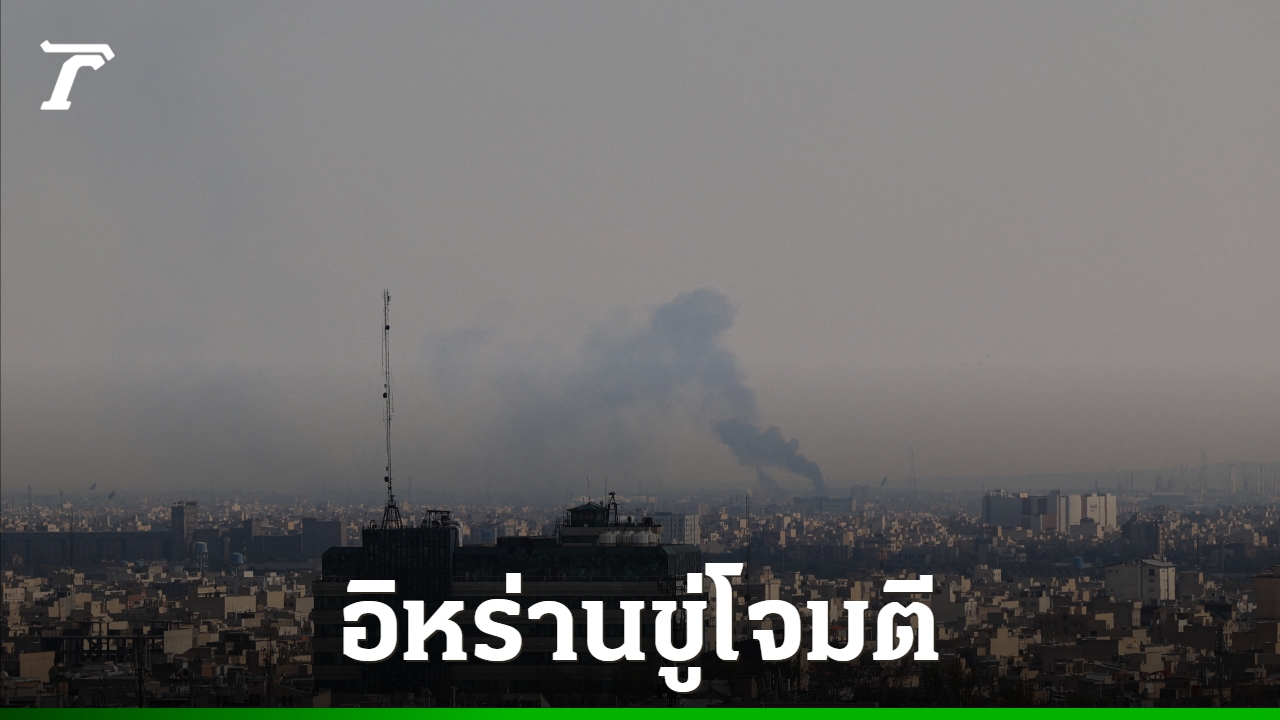
Muscat, Oman – Tensions in the Middle East remain exceptionally high as the United States and Iran navigate a precarious diplomatic path, punctuated by escalating rhetoric and the threat of military action. Recent statements from former U.S. President Donald Trump have fueled anxieties, suggesting a potential withdrawal of American forces from the region within weeks, coupled with increasingly aggressive language regarding Iranian infrastructure. This comes against a backdrop of ongoing negotiations, initiated in April 2025, aimed at reaching a new nuclear agreement, and a complex web of regional conflicts and economic pressures impacting Iran.
The current situation represents a critical juncture in U.S.-Iran relations, a relationship marked by decades of distrust and conflict. The withdrawal of the United States from the Joint Comprehensive Plan of Action (JCPOA) in 2018 under the Trump administration significantly exacerbated tensions, leading to renewed sanctions and a subsequent escalation of Iran’s nuclear program. The current negotiations, involving U.S. Special Envoy Steve Witkoff, Director of Policy Planning Michael Anton, CENTCOM commander Brad Cooper, and presidential advisor Jared Kushner on the American side, and Iranian Minister of Foreign Affairs Abbas Araghchi, Deputy Foreign Minister Majid Takht-Ravanchi, and Supreme National Security Council member Ali Larijani on the Iranian side, have thus far yielded limited progress. The talks have been held in various locations, including Al Alam Palace in Muscat, Oman, the Embassy of the Sultanate of Oman in Rome, Italy, and Geneva, Switzerland.
Trump’s Shifting Stance and Threats of Military Action
On Tuesday, March 31, 2026, former President Trump indicated a potential swift departure of U.S. Forces from Iran, offering a timeline of “two to three weeks.” According to NPR, Trump linked this withdrawal to a potential easing of gas prices, which had reached a national average of $4 a gallon. His remarks, but, were quickly followed by a starkly contrasting threat: the potential obliteration of Iranian “Electric Generating Plants, Oil Wells and Kharg Island (and possibly all desalinization plants!)” should a deal regarding the Strait of Hormuz not be reached. This volatile messaging has raised concerns about the potential for miscalculation and escalation.
The White House later announced that Trump would address the nation on Wednesday evening regarding the ongoing situation. This announcement followed a previous social media post where Trump threatened action if the Strait of Hormuz remained closed, a critical waterway for global oil supplies. The shifting rhetoric underscores the unpredictable nature of the current situation and the potential for rapid changes in U.S. Policy. The potential for disruption to oil supplies through the Strait of Hormuz is a major concern for global markets, and Trump initially suggested that other nations would be responsible for securing passage if the U.S. Withdrew, stating, “they’ll be able to fend for themselves.”
Regional Implications and UAE’s Call for Action
The escalating tensions are not confined to a direct U.S.-Iran confrontation. The United Arab Emirates (UAE) has formally requested United Nations authorization to “use force” to ensure the free passage of ships through the Strait of Hormuz, as reported by Prachachat.net. This move highlights the growing regional anxiety over potential disruptions to vital shipping lanes and the broader economic consequences of a prolonged conflict. The UAE’s request underscores the potential for the conflict to draw in other regional actors, further complicating the situation.
The situation is further complicated by existing conflicts and crises in the region, including the ongoing Red Sea crisis, the 2026 United States military buildup in the Middle East, and the 2025-2026 Iranian protests. These factors contribute to a volatile environment where miscalculations could have far-reaching consequences. The Iranian financial crisis and internal unrest also add layers of complexity to the negotiations and the overall stability of the region. The potential for escalation is heightened by the presence of non-state actors, such as Hezbollah, and the ongoing Iran-Israel conflict.
Negotiation Status and Potential Outcomes
The negotiations between the U.S. And Iran, which began in April 2025, have been characterized by periods of progress and setbacks. The first round of talks, lasting 62 days, concluded in June 2025. A second round, spanning 22 days, took place in February 2026. Despite these efforts, a comprehensive agreement remains elusive. The key sticking points reportedly include the scope of Iran’s nuclear program, the lifting of sanctions, and guarantees regarding Iran’s regional activities.
The possibility of a military confrontation remains a significant concern. The potential for attacks on U.S. Bases, as seen during the Gaza war, and strikes against facilities in countries like Azerbaijan, Bahrain, Israel, Jordan, Kuwait, Oman, Qatar, Saudi Arabia, Syria, Turkey, and the United Arab Emirates, further underscores the risks. The 2026 Iran war, currently listed as needing updates, looms as a potential outcome if diplomatic efforts fail. The death of Iranian officials, including Ali Khamenei and Ali Larijani, could also significantly alter the dynamics of the conflict. The timeline of events, from the JCPOA withdrawal in 2018 to the current negotiations and escalating tensions, highlights the long and complex history of U.S.-Iran relations.
Key Takeaways
- Former President Trump has threatened military action against Iran and signaled a potential withdrawal of U.S. Forces within weeks.
- Negotiations between the U.S. And Iran regarding a new nuclear agreement remain stalled, with key disagreements on the scope of Iran’s nuclear program and sanctions relief.
- The UAE has requested UN authorization to use force to secure passage through the Strait of Hormuz, highlighting regional anxieties.
- The situation is complicated by existing regional conflicts, economic pressures, and internal unrest within Iran.
- The risk of escalation remains high, with the potential for a broader conflict involving multiple actors.
The coming weeks will be critical in determining the future of U.S.-Iran relations and the stability of the Middle East. The next scheduled event is President Trump’s address to the nation on Wednesday evening, where he is expected to outline his administration’s policy regarding Iran. The international community will be closely watching these developments, hoping for a diplomatic resolution that avoids further escalation and protects regional stability. We encourage readers to share their thoughts and perspectives on this critical issue in the comments below.