Trump Signals Willingness to De-escalate Tensions in the Persian Gulf, Raising Questions About Strait of Hormuz Security
Washington D.C. – In a significant shift in rhetoric, former U.S. President Donald Trump has reportedly indicated to aides his openness to ending ongoing conflicts in the Middle East without preconditions related to the reopening of the Strait of Hormuz, a vital waterway for global oil transport. This development, reported exclusively by the Wall Street Journal, comes amidst heightened geopolitical tensions and concerns over potential disruptions to energy supplies. The potential for a de-escalation, while welcomed by some, also raises complex questions about maritime security and the future of regional alliances.
The Strait of Hormuz, a narrow passage between Iran and Oman, is a critical chokepoint for approximately 20% of the world’s oil supply. Control or disruption of this waterway could have severe consequences for the global economy. Trump’s willingness to consider a resolution without insisting on guarantees regarding the Strait’s free passage represents a departure from previous hardline stances, particularly those articulated during his presidency. He previously urged countries seeking oil to “just take it” from the Strait, a statement that raised alarm among international partners and fueled concerns about potential military escalation. Reuters reported on this urging in March 2024.
Shifting Priorities and Potential Implications
The Wall Street Journal report suggests Trump’s evolving position is driven by a desire to avoid further entanglement in regional conflicts. He reportedly believes that a negotiated settlement, even without specific assurances regarding the Strait of Hormuz, could be beneficial to U.S. Interests. This stance contrasts with the more assertive approach favored by some within his administration during his first term, which involved increased military presence and a willingness to confront Iran directly.
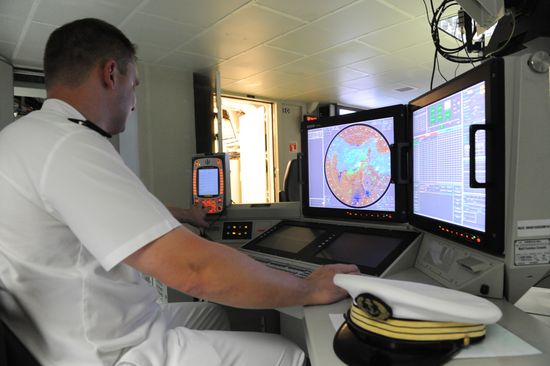
But, analysts caution that such a shift could have unintended consequences. Without clear guarantees regarding the security of the Strait, there is a risk that Iran could attempt to disrupt oil shipments, potentially leading to a modern crisis. The potential for miscalculation and escalation remains high, particularly given the complex web of alliances and rivalries in the region. The United States Navy’s Fifth Fleet, based in Bahrain, plays a crucial role in maintaining security in the Persian Gulf and the Strait of Hormuz, conducting regular patrols and exercises with regional partners. The Wall Street Journal details these discussions.
Trump’s Claim of Victory in Iran and Domestic Political Considerations
This potential shift in policy comes as Trump actively campaigns for a return to the White House. He is scheduled to deliver a primetime address where he is expected to claim victory in Iran, according to Politico. The timing of the Wall Street Journal report and the planned address suggests a deliberate effort to portray Trump as a strong leader capable of resolving complex foreign policy challenges. His previous administration withdrew from the Joint Comprehensive Plan of Action (JCPOA), commonly known as the Iran nuclear deal, in 2018, imposing sanctions on Iran and increasing military pressure. The JCPOA, originally agreed upon in 2015 between Iran and the P5+1 (China, France, Germany, Russia, the United Kingdom, and the United States), aimed to limit Iran’s nuclear program in exchange for sanctions relief.
The potential for a renewed diplomatic effort, even one framed as a demonstration of Trump’s negotiating prowess, could be viewed favorably by some international partners who have long advocated for a return to dialogue with Iran. However, skepticism remains, particularly among those who believe that Iran cannot be trusted to abide by any agreement. The current geopolitical landscape is further complicated by the ongoing conflicts in Ukraine and Gaza, which have diverted attention and resources from the Middle East.
The Role of Regional Actors
The response of regional actors, particularly Saudi Arabia and the United Arab Emirates, will be crucial in shaping the future of the Strait of Hormuz. Both countries have expressed concerns about Iran’s regional ambitions and have sought closer security ties with the United States. Any perceived weakening of U.S. Commitment to regional security could prompt these countries to pursue independent strategies, potentially leading to further instability. Iran, for its part, has consistently maintained that it seeks only to protect its legitimate interests in the Persian Gulf and has accused the United States of destabilizing the region through its military presence and support for its allies.
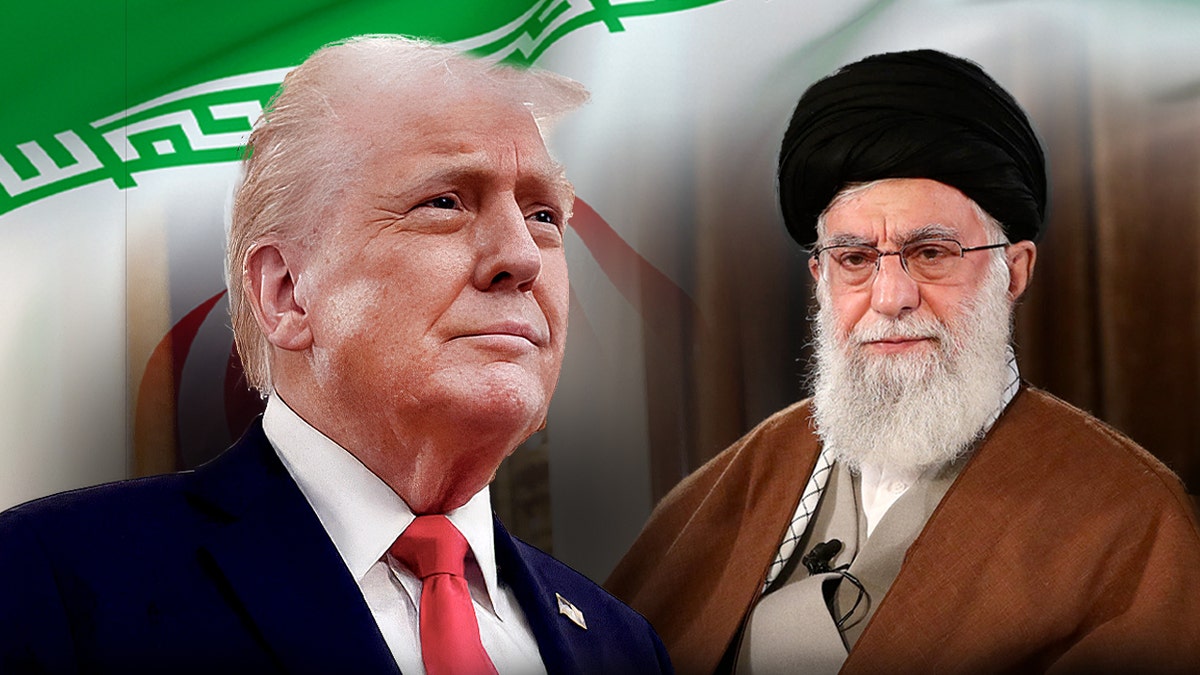
The implications of Trump’s reported willingness to de-escalate extend beyond energy markets. A reduction in tensions could create opportunities for increased trade and investment in the region, but it could also embolden Iran to pursue its regional agenda more aggressively. The situation remains fluid and unpredictable, and the coming months will be critical in determining whether a lasting resolution can be achieved.
Key Takeaways
- Donald Trump has reportedly signaled a willingness to end conflicts in the Middle East without preconditions related to the Strait of Hormuz.
- This shift in rhetoric raises questions about maritime security and the potential for disruption to global oil supplies.
- The response of regional actors, particularly Saudi Arabia and the United Arab Emirates, will be crucial in shaping the future of the region.
- Trump is expected to claim victory in Iran during an upcoming primetime address, potentially framing any diplomatic efforts as a result of his negotiating skills.
As the situation continues to evolve, the world will be watching closely to see whether Trump’s reported willingness to de-escalate translates into concrete action and whether it can pave the way for a more stable and secure future for the Persian Gulf. Further updates on this developing story will be provided as they become available. Readers are encouraged to share their thoughts and perspectives in the comments section below.
Keep reading