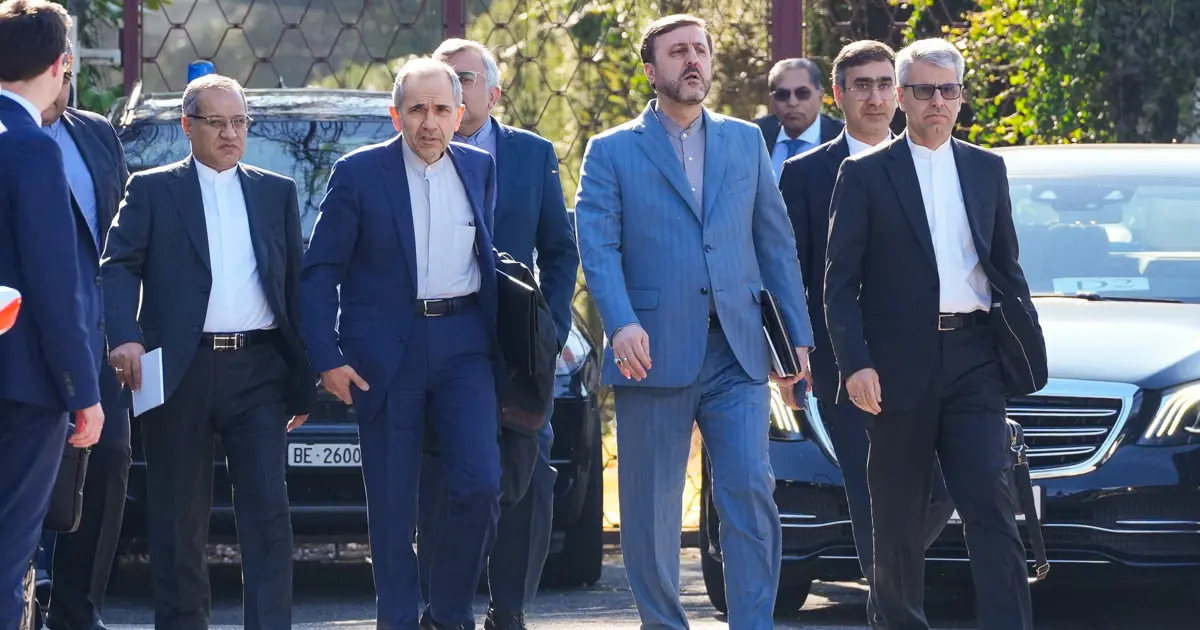
Sofia, Bulgaria – As tensions remain high in the Middle East, diplomatic efforts to address Iran’s nuclear program are continuing, albeit amidst cautious optimism and strong rhetoric. Reports suggest a willingness from Iran to engage in serious talks with the United States, a development that comes as Washington maintains a firm stance, outlining “very strong options” should negotiations falter. The situation is further complicated by internal pressures within the US government to maintain a hard line, with calls for restraint in public commentary from officials to avoid derailing the delicate process.
The possibility of renewed dialogue centers on the Joint Comprehensive Plan of Action (JCPOA), the 2015 agreement that limited Iran’s nuclear program in exchange for sanctions relief. The JCPOA has been largely dismantled since the United States unilaterally withdrew from the agreement in 2018 under the Trump administration. Since then, Iran has gradually rolled back its commitments under the deal, increasing its uranium enrichment levels and taking other steps that have raised concerns among international observers. The current discussions aim to revive the JCPOA, or to establish a new framework that addresses the concerns of all parties involved. This complex geopolitical landscape demands careful analysis, and the path forward remains uncertain.
Iran Signals Willingness to Negotiate
According to statements following the third round of talks in Geneva, Iranian Foreign Minister Abbas Araqchi characterized the discussions with the US as “the most serious” to date, focusing on both sanctions and nuclear issues. While the specifics of these discussions remain confidential, the acknowledgment of their seriousness suggests a potential shift in approach from both sides. However, it’s crucial to note that these talks are occurring indirectly, facilitated by other parties to the JCPOA, as direct negotiations between the US and Iran remain limited. The willingness to engage, even indirectly, represents a potential opening for de-escalation, but significant hurdles remain.
Trump Administration Maintains a Hard Line
Despite the reported progress in Geneva, the Trump administration has continued to adopt a tough stance towards Iran. President Trump has repeatedly stated that Iran must not be allowed to acquire nuclear weapons, and has warned of potential military action if necessary. He has also expressed dissatisfaction with the current state of negotiations, stating, “They should be negotiating in good faith and openly, but they don’t seem to understand that.” As reported by Radio Free Europe/Radio Liberty, the President indicated that while a military decision hasn’t been made, Iran’s pursuit of nuclear capabilities is unacceptable. This position underscores the significant challenges facing any potential agreement.
President Trump has rejected Iran’s current level of uranium enrichment, stating that even 20% enrichment is unacceptable, arguing that Iran’s vast oil reserves negate the need for such activity. This stance highlights a fundamental disagreement over the scope of Iran’s nuclear program and the conditions for its limitations. The US position is rooted in a desire to prevent Iran from developing the capability to quickly produce a nuclear weapon, a concern that has been amplified by Iran’s recent advancements in enrichment technology.
Upcoming Talks in Vienna and Internal US Pressure
Negotiations between the US and Iran are expected to continue next week in Vienna, Austria. This location provides a neutral ground for discussions and allows for the involvement of other key stakeholders, including European powers and Russia. The choice of Vienna as a venue signals a commitment to diplomatic engagement, but the success of these talks will depend on the willingness of all parties to compromise. The stakes are high, as a failure to reach an agreement could lead to further escalation of tensions in the region.
Adding another layer of complexity, US Secretary of State Marco Rubio reportedly issued a directive to US ambassadors and officials in the Middle East to refrain from making public comments that could jeopardize the negotiations. According to reports, this directive followed a controversial statement by the US Ambassador to Israel, Mike Huckabee, suggesting that Israel should annex the entire Middle East. The White House reportedly expressed concern over Huckabee’s remarks, viewing them as potentially inflammatory and counterproductive to the ongoing negotiations. This internal pressure underscores the delicate balance the Trump administration is attempting to strike between maintaining a tough stance towards Iran and preserving the possibility of a diplomatic resolution.
The Role of Public Commentary and Diplomatic Discipline
The directive from Secretary Rubio highlights the importance of maintaining a unified message during sensitive negotiations. Public statements by US officials can be easily misinterpreted or exploited by opposing parties, potentially undermining the progress made at the negotiating table. By urging ambassadors to exercise restraint, the administration aims to create a more conducive environment for dialogue and avoid escalating tensions through unintended consequences. This emphasis on “message discipline” reflects a recognition that even seemingly innocuous comments can have a significant impact on the outcome of the negotiations.
Implications for Regional Stability
The outcome of these negotiations will have far-reaching implications for regional stability. A successful agreement could help to de-escalate tensions, reduce the risk of military conflict, and pave the way for increased economic cooperation. However, a failure to reach an agreement could lead to further escalation, potentially triggering a wider conflict in the Middle East. The stakes are particularly high for countries in the region, such as Saudi Arabia and Israel, which view Iran as a major threat to their security. These countries have been vocal in their opposition to the JCPOA and have urged the US to capture a firm stance against Iran.
The potential for a renewed nuclear agreement also raises questions about the future of US policy towards Iran. Some analysts argue that a return to the JCPOA would be a mistake, as it would provide Iran with economic benefits without adequately addressing its other destabilizing activities in the region. Others contend that the JCPOA is the best available option for preventing Iran from acquiring a nuclear weapon and that it should be revived as quickly as possible. This debate reflects the deep divisions within the US foreign policy establishment over how to deal with Iran.
Key Takeaways
- Iran has signaled a willingness to engage in serious negotiations with the US regarding its nuclear program.
- The Trump administration remains committed to preventing Iran from acquiring nuclear weapons and has warned of potential military action.
- Negotiations are expected to continue next week in Vienna, Austria.
- Internal US pressure exists to maintain a unified message and avoid public statements that could jeopardize the talks.
- The outcome of these negotiations will have significant implications for regional stability.
As the situation continues to evolve, the international community will be closely watching the developments in Vienna. The success of these negotiations will depend on the willingness of all parties to compromise and to prioritize diplomacy over confrontation. The next few weeks will be critical in determining whether a diplomatic solution can be reached, or whether the world is headed towards a more dangerous and unstable future. The international community awaits further updates as the talks progress, hoping for a resolution that safeguards regional and global security.
Worth a look