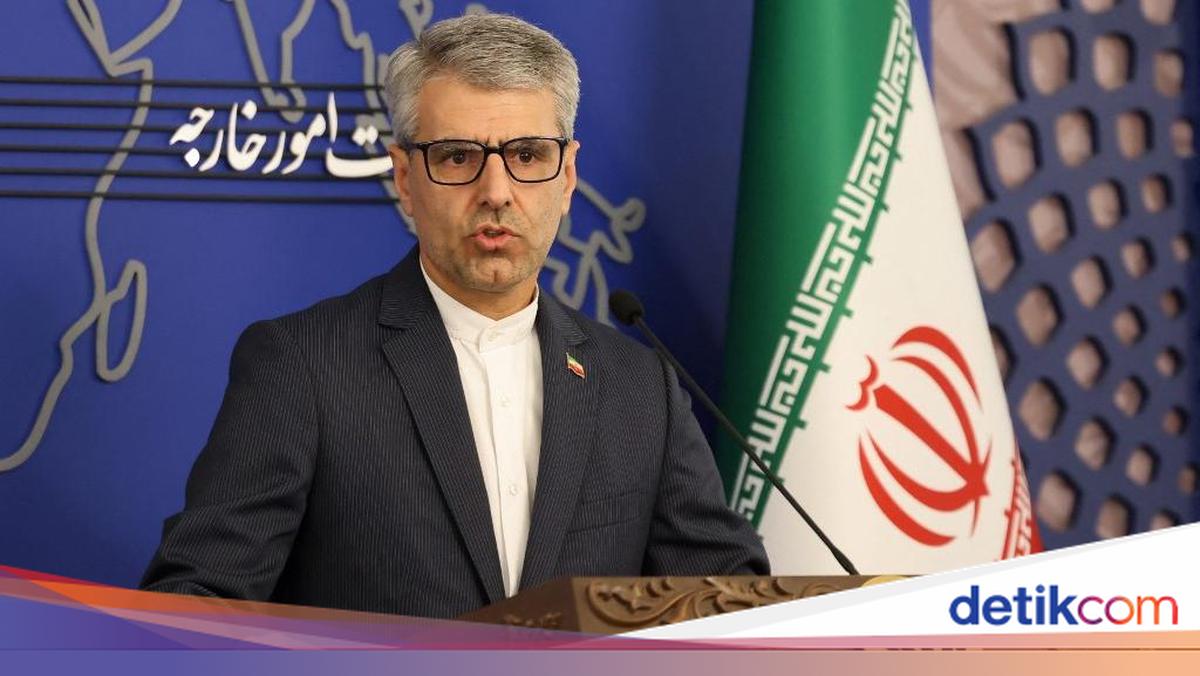
Recent escalations in the Middle East have intensified following a series of military strikes involving United States assets and regional actors, including reports of projectile activity near civilian infrastructure. The Iranian government has formally condemned these actions, specifically citing reports of proximity to a pediatric cancer hospital as evidence of what Tehran officials characterized as “barbaric” conduct. This rhetoric surfaces as regional tensions continue to rise, with reports of drone and missile strikes targeting U.S. military positions across multiple countries.
The current situation remains fluid, characterized by a cycle of retaliatory actions that have drawn concern from international observers. While Iran has accused U.S. forces of endangering civilian lives, the U.S. According to the U.S.
Regional Security and the Bab al-Mandab Strait
Beyond the immediate strikes, geopolitical anxiety is concentrated on the security of maritime shipping lanes, particularly the Bab al-Mandab Strait. Iranian officials have issued warnings regarding the potential for further disruption to global trade routes should the military exchanges between the U.S. and regional forces persist.
However, the increased activity of drones—often described in regional media as “suicide” or “loitering” munitions—has forced a recalibration of maritime security strategies. Central Command.
Status of Foreign Nationals and Diplomatic Channels
As the volatility in the Middle East persists, nations are closely monitoring the safety of their citizens residing in affected areas. Indonesian authorities, for instance, have issued regular updates regarding the status of their nationals, confirming that as of the most recent reporting, there have been no casualties among their citizens in the impacted zones. The Indonesian Ministry of Foreign Affairs continues to maintain active communication channels and has advised citizens to exercise caution and adhere to local security protocols.
The diplomatic situation remains strained. Iran’s rejection of the U.S. military posture highlights a fundamental disagreement over the presence and objectives of Western forces in the region. While the U.S. asserts that its military presence is necessary to counter regional instability and protect personnel, Tehran argues that such interventions are the primary cause of the current security deterioration. There are currently no formal, high-level diplomatic breakthroughs reported, and the frequency of direct and indirect military exchanges continues to challenge efforts at de-escalation.
Institutional Responses and Future Outlook
The international community is currently watching for the next cycle of military and diplomatic maneuvers. The U.S. has signaled that it will continue to respond to threats against its personnel, while Iran has maintained that its regional proxies act independently or in defense of regional sovereignty. The lack of a clear exit strategy for either side has led to concerns about the potential for miscalculation, particularly as the frequency of drone attacks on military bases in countries like Iraq and Syria shows little sign of abating.
Readers seeking official information regarding travel advisories or the current security status in the region are encouraged to monitor updates from their respective foreign ministries or the U.S. As the situation evolves, further developments are expected following the next scheduled briefings from the Pentagon and the Iranian Ministry of Foreign Affairs. We invite our readers to share their perspectives on these developments in the comments section below as we continue to track this unfolding story.
- Trump Urges Netanyahu to Withdraw Israeli Forces from Syria and Lebanon
- Syria Seizes Weapons Shipment Destined for Hezbollah Amid Denial of Group’s Presence
- US expands strikes into northern Iran and disables ship trying to run blockade (archyde.com)
- Trump Leans Toward Expanding U.S. Military Operations in Iran (archyworldys.com)