
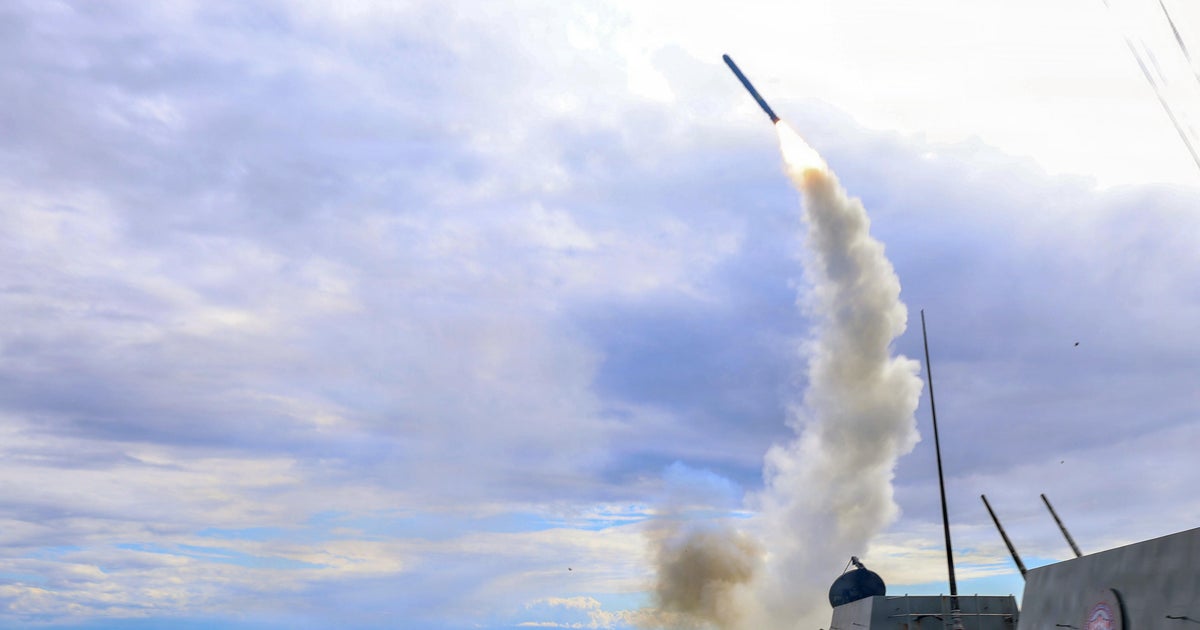
Washington D.C. – The escalating conflict in Iran is proving far more costly than initially projected, with emerging estimates suggesting the financial burden on the United States could reach nearly $50 billion. This revised figure, disclosed by U.S. Officials, significantly surpasses the earlier estimate of $25 billion cited just weeks ago, raising concerns about the long-term economic implications of the ongoing military engagement. The revelation came during contentious congressional hearings featuring Defense Secretary Pete Hegseth, where lawmakers grilled the administration on the budget for Fiscal Year 2027 and the escalating costs associated with the war.
The initial $25 billion estimate, provided shortly after the commencement of hostilities, was already a substantial figure. However, officials now acknowledge that the initial assessment failed to fully account for the extensive damage to U.S. Military assets in the region, the rising costs of munitions, and the logistical challenges of sustaining a prolonged military operation. The war, which began earlier this year, has disrupted global economic stability, particularly impacting oil shipments through the strategically vital Strait of Hormuz. The situation is further complicated by reports of damage to U.S. Military bases, requiring substantial investment for repairs and reconstruction.
Hegseth Defends War Strategy Amidst Scrutiny
Secretary of Defense Pete Hegseth faced a barrage of questions from both Democratic and Republican lawmakers during his testimony before the House Armed Services Committee on Wednesday, April 29, 2026, and the Senate Armed Services Committee on Thursday, April 30, 2026. The hearings, originally intended to focus on President Donald Trump’s proposed 2027 military budget, were quickly dominated by discussions surrounding the Iran conflict. Hegseth defended the administration’s strategy, asserting that preventing Iran from acquiring a nuclear weapon remains the paramount objective. He characterized the war as an “existential fight for the safety of the American people.”
However, Hegseth’s assertions were met with skepticism from some members of Congress. He downplayed the potential length of the war, stating that the biggest “adversary” the U.S. Faces is the “reckless, feckless and defeatist words of congressional Democrats and some Republicans.” This statement drew sharp criticism from Democrats, who accused Hegseth of politicizing a serious national security issue. Senator Kirsten Gillibrand (D-NY) and Senator Richard Blumenthal (D-CT) were among those who engaged in pointed exchanges with the Defense Secretary during the Senate hearing, as documented by the Associated Press.
Rising Costs and Damage Assessment
The revised cost estimate of nearly $50 billion reflects a more comprehensive assessment of the financial impact of the war. A significant portion of the expenditure has been allocated to munitions, highlighting the intensity of the conflict. Reports indicate that repairing damaged U.S. Military bases will add billions of dollars to the overall cost. CNN reported that sources within the Pentagon estimate the cost of base repairs alone could reach several billion dollars.
Chairman of the Joint Chiefs of Staff Dan Caine, who appeared alongside Hegseth, offered little additional clarity on the financial implications of the war. Both officials emphasized the importance of maintaining a strong military presence in the region to deter further aggression from Iran. However, they were unable to provide a definitive timeline for the conflict’s resolution. The Pentagon’s comptroller indicated that the war has already cost approximately $25 billion, with munitions accounting for the largest share of expenses. This figure is now considered a significant underestimate given the evolving situation.
The economic fallout from the conflict extends beyond direct military expenditures. The disruption of oil tanker traffic through the Strait of Hormuz has led to increased energy prices, impacting global markets. The war has also created uncertainty in the financial markets, contributing to volatility and hindering economic growth. The long-term consequences of these economic disruptions remain to be seen.
Partisan Divide and Congressional Concerns
The congressional hearings revealed a deep partisan divide over the administration’s handling of the Iran conflict. Democrats expressed concerns about the lack of a clear strategy and the potential for a prolonged and costly war. They questioned Hegseth’s optimistic assessment of the situation and accused him of downplaying the risks. Republicans, while generally supportive of the administration’s objectives, also raised concerns about the escalating costs and the lack of transparency. PBS News Hour reported on the contentious nature of the hearings, highlighting the sharp disagreements between lawmakers from both parties.
Several lawmakers questioned the administration’s justification for the war, pointing to intelligence assessments that suggest Iran was not actively pursuing a nuclear weapon. Others expressed concerns about the potential for the conflict to escalate and draw in other regional actors. The New York Times provided detailed coverage of the takeaways from Hegseth’s second day of testimony, emphasizing the political challenges facing the administration.
The debate over funding for the war is expected to intensify in the coming weeks. The administration is seeking additional funding to cover the escalating costs, but faces opposition from some lawmakers who argue that the money could be better spent on domestic priorities. The House is currently considering a funding bill that includes provisions for both military aid to Ukraine and increased funding for the Iran conflict. The bill’s fate remains uncertain.
Looking Ahead
The situation in Iran remains fluid and unpredictable. U.S. Officials have indicated that they are prepared to continue military operations for as long as necessary to achieve their objectives. However, there is growing recognition that a diplomatic solution may be the only way to finish the conflict. The administration has reportedly initiated back-channel communications with Iranian officials, but there have been no reports of significant progress. The next key event to watch is the upcoming debate and vote on the Fiscal Year 2027 defense budget, which will provide further insight into the administration’s priorities and the likely trajectory of the war. The Hill provides live updates on the ongoing political developments, including the debate over the defense budget and the DHS funding bill.
The escalating costs of the Iran war, coupled with the growing partisan divide in Congress, underscore the challenges facing the administration as it navigates this complex and dangerous conflict. The financial burden of the war will likely continue to grow in the coming months, raising questions about the long-term sustainability of the U.S. Military engagement in the region. Readers are encouraged to share their thoughts and perspectives on this critical issue in the comments section below.