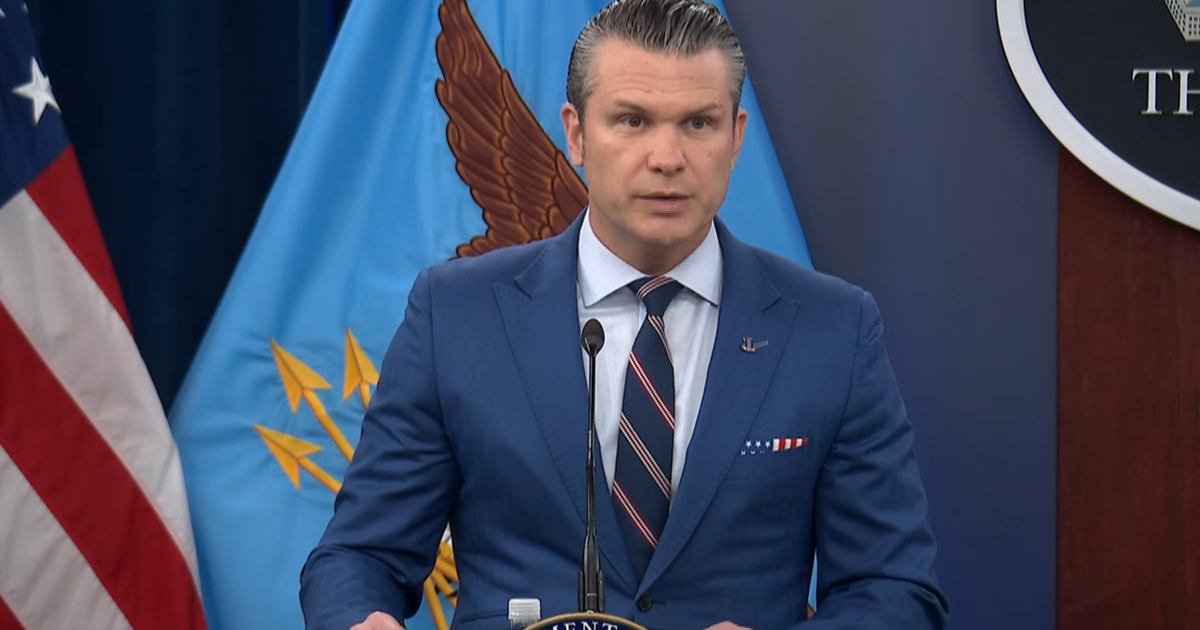
London, United Kingdom – As the conflict in Iran enters its second week, the United States is downplaying concerns about the continued disruption to shipping in the vital Strait of Hormuz. Defense Secretary Pete Hegseth stated Friday that while the U.S. Is aware of Iranian threats to deploy sea mines, “We have no clear evidence of that,” signaling a degree of confidence in the ability to manage the strategic waterway despite ongoing tensions. This comes as oil prices remain elevated and global supply chains brace for potential further instability.
Hegseth’s comments, delivered alongside Chairman of the Joint Chiefs of Staff Gen. Dan Caine at a Pentagon briefing, represent a deliberate effort to project calm amid escalating military action. The U.S. And Israel have conducted extensive strikes against targets within Iran since the conflict began on February 28th, with Hegseth claiming over 15,000 “enemy targets” have been hit in just thirteen days. These strikes, he asserted, have significantly degraded Iran’s military capabilities, including its naval forces and ability to deploy mines in the Strait of Hormuz, a critical chokepoint for global oil supplies.
Strait of Hormuz: A Strategic Lifeline
The Strait of Hormuz, a narrow passage connecting the Persian Gulf with the Gulf of Oman and the Arabian Sea, is one of the world’s most vital oil transit routes. Approximately 20% of global oil consumption passes through the strait daily, according to the U.S. Energy Information Administration. Disruptions to traffic through the strait, have the potential to significantly impact global energy markets and the world economy. The current situation has already seen oil prices surge, reaching around $93 per barrel on Friday, a substantial increase from the $67 per barrel price recorded before the conflict began.
Despite the increased risk, Hegseth sought to reassure the public, stating, “We have been dealing with it, and don’t need to worry about it.” This statement contrasts with earlier reports indicating the U.S. Navy was not immediately prepared to escort oil tankers through the strait. Energy Secretary Chris Wright initially stated the Navy lacked the readiness for such a mission, but Treasury Secretary Scott Bessent later announced plans to begin escorting ships “as soon as militarily possible,” potentially with the support of an international coalition. The shift suggests a rapidly evolving assessment of the situation and a growing commitment to ensuring the continued flow of oil through the region.
Military Operations and Rising Costs
The U.S. Military’s campaign against Iran has been extensive, with approximately 6,000 targets struck within Iran as of Thursday, according to Central Command. Hegseth claimed Iran’s missile capabilities have been significantly diminished, with missile volume down 90%. He further asserted that Iran’s defense companies have been “functionally defeated.” However, these claims are made against a backdrop of continued Iranian assaults and rising economic costs.
The conflict has similarly had a tragic human cost. A U.S. Military refueling tanker crashed in western Iraq on Thursday, resulting in the deaths of all six service members on board. Initially, rescue efforts were underway for two missing crew members, but U.S. Central Command later confirmed all personnel had perished. Hegseth acknowledged the loss, stating, “bad things happen,” and praised the crew as heroes. The circumstances surrounding the crash are currently under investigation, with officials confirming it was not due to hostile fire.
Economic Fallout and Sanctions Adjustments
The economic consequences of the conflict are becoming increasingly apparent. Beyond the surge in oil prices, stock markets are also experiencing volatility. Despite assertions from the administration that the war will soon conclude, and announcements of releases from the Strategic Petroleum Reserve, economic uncertainty persists. In a move to mitigate the impact on global oil supplies, Treasury Secretary Bessent announced Thursday a temporary loosening of sanctions against Russia, allowing the Kremlin to sell oil already at sea. This decision, while intended to stabilize prices, has drawn criticism from some quarters.
Concerns Over Iran’s Nuclear Program and Leadership
The U.S. Administration remains focused on preventing Iran from acquiring nuclear weapons. When questioned about the possibility of U.S. Forces needing to secure enriched uranium within Iran, Hegseth stated the U.S. “retains options, for sure,” offering no further details. This ambiguity underscores the high stakes of the conflict and the potential for further escalation.
Adding to the complexity of the situation is the recent change in Iran’s leadership. Following the reported injury of Supreme Leader Ayatollah Ali Khamenei, his son, Mojtaba Khamenei, has assumed the role. Hegseth stated that U.S. Intelligence suggests the new Supreme Leader is “wounded and likely disfigured,” noting that a recent statement attributed to him was written and lacked a visual image. Iranian state media, however, maintains that Mojtaba Khamenei is “alive and well” and has vowed to continue leveraging Iran’s control over the Strait of Hormuz.
The U.S. Military continues to target Iran’s mining capabilities, aiming to dismantle its ability to disrupt maritime traffic. “That’s not a strait we’re going to allow to remain contested,” Hegseth emphasized, signaling a firm commitment to maintaining freedom of navigation in the region. However, the lack of “clear evidence” regarding new mine deployments, coupled with ongoing Iranian threats, suggests the situation remains fluid and unpredictable.
As the conflict continues, the international community remains on edge, closely monitoring developments in the Strait of Hormuz and the broader region. The U.S. Administration faces the challenge of balancing military pressure with diplomatic efforts to de-escalate the situation and prevent a wider conflict. The next key development to watch will be the outcome of the command investigation into the bombing of the elementary school in Iran, which Hegseth has tasked an independent investigator to lead. A full accounting of the circumstances surrounding this incident will be crucial for maintaining international credibility and addressing concerns about civilian casualties.
Jonathan Reed is Editor, News at World Today Journal.
What are your thoughts on the situation in the Strait of Hormuz? Share your comments below and join the conversation. Don’t forget to share this article with your network.
- A ‘generational buying opportunity’ guarantees inflation plus 3% a year, says this hedge-fund manager
- Ex-Bodyguard of Dalia Grybauskaitė: I Still Cannot Share Certain Details
- The CRASH Clock, Explained: How Close Satellites Really Are to Disaster (daybreakwire.com)
- Iran Claims Destruction of US Military Bases and Amazon Data Center in Middle East (archyde.com)